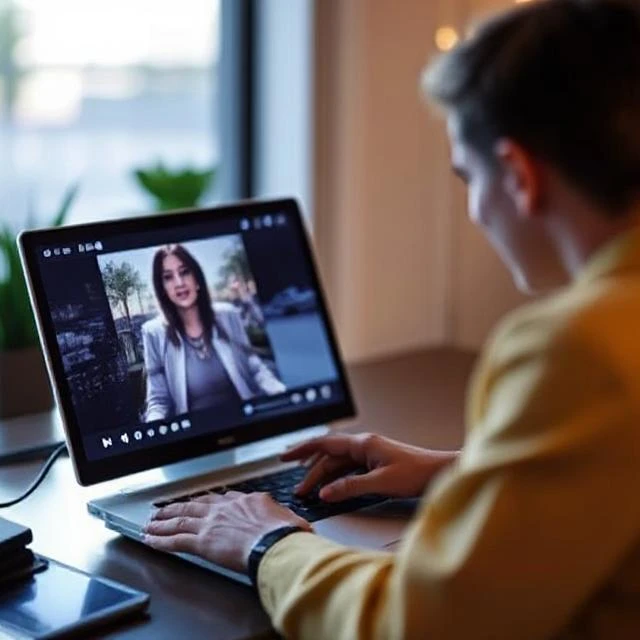

Introduction: Education Streaming in 2026
By 2026, digital education has fully shifted toward video-first delivery. Learners expect structured programming, high-quality streaming, and the freedom to access content anytime, anywhere. As a result, educators and institutions are moving away from generic video platforms and investing in professional education streaming solutions that allow complete control over content, branding, and audience experience.
One of the biggest trends driving this shift is the rise of the custom TV channel. Instead of uploading isolated videos, education providers now operate full-scale channels that resemble modern television networks, designed entirely around learning.
The Role of Custom TV Channels in Modern Education
A custom TV channel gives educators ownership. It allows them to define how lessons are organized, how students progress, and how content is protected. Unlike open platforms, these channels eliminate distractions and reinforce credibility.
In 2026, custom channels are widely used for university programs, professional certifications, corporate training, and niche skill-based education. Combined with advanced education streaming solutions, they create a consistent and immersive learning environment.
Platform Reviews and Comparisons
Vimeo OTT
Vimeo OTT continues to be a popular option for professional education brands. It allows organizations to build a fully branded custom TV channel with web and app-based access. The platform supports subscriptions, rentals, and secure video hosting, making it suitable for premium educational content and long-term programs.
Brightcove
Brightcove is designed for scale. Large institutions and enterprise education providers rely on it for global delivery and advanced analytics. Its strength lies in performance, reliability, and data insights, which are critical for organizations managing large learner bases through robust education streaming solutions.
Kaltura
Kaltura is widely adopted in higher education. Universities often use it to create both internal and external learning channels integrated with their academic systems. Its flexibility allows for deep customization, making it ideal for complex educational workflows and long-term digital strategies.
Uscreen
Uscreen focuses on simplicity and speed. It is especially popular among course creators and training academies that want to launch quickly. With built-in subscriptions, branding tools, and mobile apps, Uscreen makes it easy to run a professional custom TV channel without heavy technical requirements.
Dacast
Dacast is known for reliable live streaming and secure delivery. Educators use it for virtual classrooms, live workshops, and webinars. While it offers fewer engagement tools, it remains a strong education streaming solution for organizations that prioritize performance and content protection.
Muvi
Muvi positions itself as an all-in-one OTT platform. It enables education providers to launch a custom TV channel without building infrastructure from scratch. With global distribution, multilingual support, and flexible monetization, Muvi is well suited for international education brands.
Panopto
Panopto is a familiar name in academic environments. It is primarily used for lecture capture and internal learning libraries. While it is not designed for public monetization, it works effectively as a private custom TV channel for students and faculty within institutions.
Wowza Streaming Cloud
Wowza appeals to technically advanced teams. It offers low-latency streaming and customizable workflows, making it ideal for real-time instruction and hybrid learning models. When paired with custom development, Wowza becomes a powerful backend for advanced education streaming solutions.
How to Choose the Right Platform
Choosing the right platform depends on your goals. Universities may prioritize system integrations and access control, while commercial educators focus on branding and revenue models. The best education streaming solutions in 2026 are those that balance scalability, usability, and long-term flexibility.
A custom TV channel is no longer optional for serious education providers. It has become a strategic foundation for digital learning success.
Final Thoughts
Education streaming in 2026 is about more than delivering video. It is about building structured, engaging, and branded learning experiences. The platforms reviewed here represent the strongest options available today, each offering unique advantages depending on audience size, technical needs, and growth strategy. Choosing the right one can define the future of your educational content and your brand.
























Sign in to leave a comment.