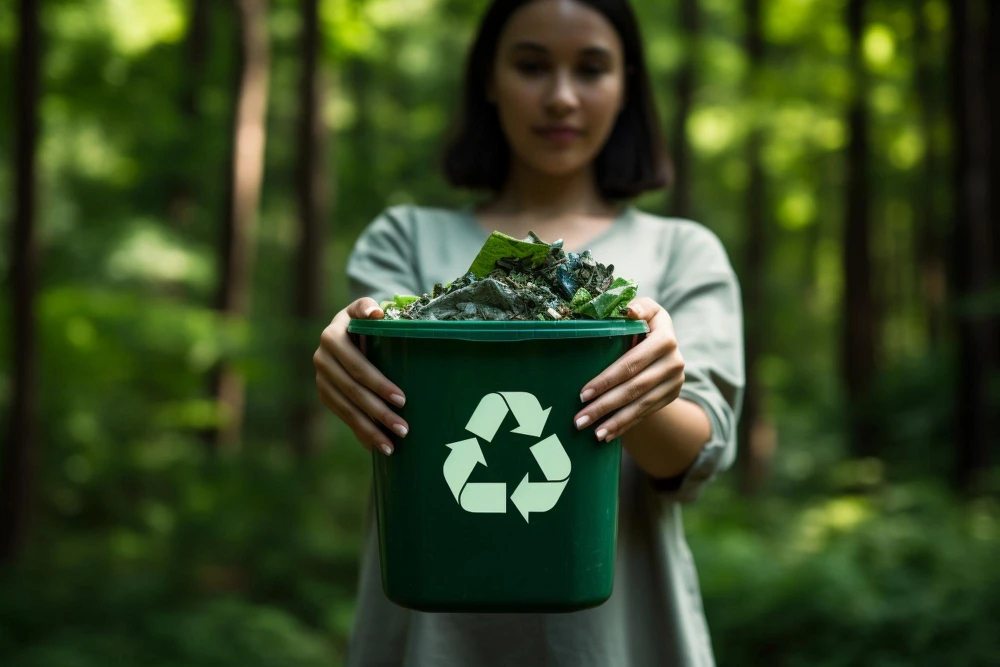

Did you know that the average person generates around 4.5 pounds of waste per day? Sustainable waste management is not just a trend but a necessity for our planet’s future.
Thesis Statement:
This blog aims to provide readers with top strategies for effective sustainable waste management, helping individuals and businesses minimise their environmental footprint.
Overview:
We will explore eight essential strategies:
Reduce, Reuse, RecycleComposting Organic WasteImplementing Waste SegregationWaste-to-Energy TechnologiesEducating and Engaging the CommunityGovernment Policies and RegulationsCorporate Responsibility and Sustainable PracticesTechnological Innovations and Smart Solutions
Strategy 1: Reduce, Reuse, Recycle
Explanation:
The three R's – Reduce, Reuse, Recycle – form the cornerstone of sustainable waste management. They emphasize minimizing waste production, reusing materials when possible, and recycling items to prevent them from ending up in landfills.
Implementation Tips:
Reduce: Purchase products with minimal packaging, avoid single-use items, and buy in bulk.Reuse: Repurpose glass jars as storage containers, donate old clothes, and repair items instead of discarding them.Recycle: Sort recyclables like paper, plastic, and metal, and ensure they are clean before recycling.Benefits:
Environmental: Reduces landfill waste and conserves natural resources.Economic: Saves money on waste disposal and can generate revenue through recycling programs.Strategy 2: Composting Organic Waste
Explanation:
Composting is the process of decomposing organic waste, such as food scraps and yard waste, into nutrient-rich soil. It is an essential method for managing organic waste sustainably.
How to Compost:
Choose a compost bin or designate a compost area.Add organic materials like fruit peels, coffee grounds, and grass clippings.Maintain a balance of green (nitrogen-rich) and brown (carbon-rich) materials.Regularly turn the compost to aerate it and speed up decomposition.Monitor moisture levels to keep the compost moist but not waterlogged.Benefits:
Soil Enrichment: Produces nutrient-rich compost that enhances soil quality.Waste Reduction: Diverts organic waste from landfills, reducing methane emissions.
Strategy 3: Implementing Waste Segregation
Explanation:
Waste segregation involves separating waste into different categories (e.g., recyclables, organic waste, hazardous waste) to facilitate efficient waste management.
Steps to Implement:
Provide separate bins for different waste types.Educate users on what materials belong in each bin.Regularly monitor and maintain the segregation system to ensure compliance.Benefits:
Efficiency: Streamlines the waste management process.Improved Recycling Rates: Increases the quantity and quality of materials available for recycling.Strategy 4: Waste-to-Energy Technologies
Explanation:
Waste-to-energy technologies convert waste materials into usable energy, typically in the form of electricity, heat, or fuel.
Types:
Incineration: Burns waste to produce energy.Anaerobic Digestion: Breaks down organic waste in the absence of oxygen to produce biogas.Benefits and Challenges:
Pros: Reduces landfill use, generates renewable energy.Cons: High initial costs, potential environmental concerns from emissions.Strategy 5: Educating and Engaging the Community
Explanation:
Community involvement is crucial for the success of sustainable waste management initiatives. Educating and engaging the community fosters collective responsibility and action.
Methods:
Workshops: Organize educational workshops on waste reduction and recycling.Awareness Campaigns: Launch campaigns to inform the public about waste management practices.Benefits:
Long-term Impact: Creates a culture of sustainability and responsible waste management.Informed Community: Empowers individuals to make eco-friendly choices.Strategy 6: Government Policies and Regulations
Explanation:
Government policies and regulations play a vital role in guiding and enforcing sustainable waste management practices.
Examples:
Plastic Bag Bans: Policies that restrict the use of single-use plastic bags.Extended Producer Responsibility (EPR): Requires manufacturers to manage the disposal of their products, ensuring proper product removal and destruction.Implementation:
Advocacy: Work with local authorities to implement successful policies.Compliance: Ensure adherence to regulations through regular monitoring and enforcement.Strategy 7: Corporate Responsibility and Sustainable Practices
Explanation:
Corporations have a significant impact on waste production and can lead the way in adopting sustainable waste management practices.
Best Practices:
Sustainable Packaging: Use recyclable or biodegradable packaging materials.Green Procurement: Purchase eco-friendly products and materials.Case Studies:
Example 1: A company reducing plastic waste by switching to sustainable packaging.Example 2: A business implementing a zero-waste policy in their operations.
Strategy 8: Technological Innovations and Smart Solutions
Explanation:
Technology can enhance the efficiency and effectiveness of waste management systems.
Examples:
Smart Bins: Use sensors to optimize waste collection routes.AI-driven Waste Sorting: Employ artificial intelligence to improve recycling accuracy.Future Trends:
Robotic Waste Sorting: Automation in waste sorting processes.Blockchain for Waste Management: Using blockchain to track and manage waste streams.Conclusion
In this blog, we discussed eight strategies for sustainable waste management: Reduce, Reuse, recycle; Composting Organic Waste; Implementing Waste Segregation; Waste-to-Energy Technologies; Educating and Engaging the Community; Government Policies and Regulations; Corporate Responsibility and Sustainable Practices; and Technological Innovations and Smart Solutions.
























Sign in to leave a comment.