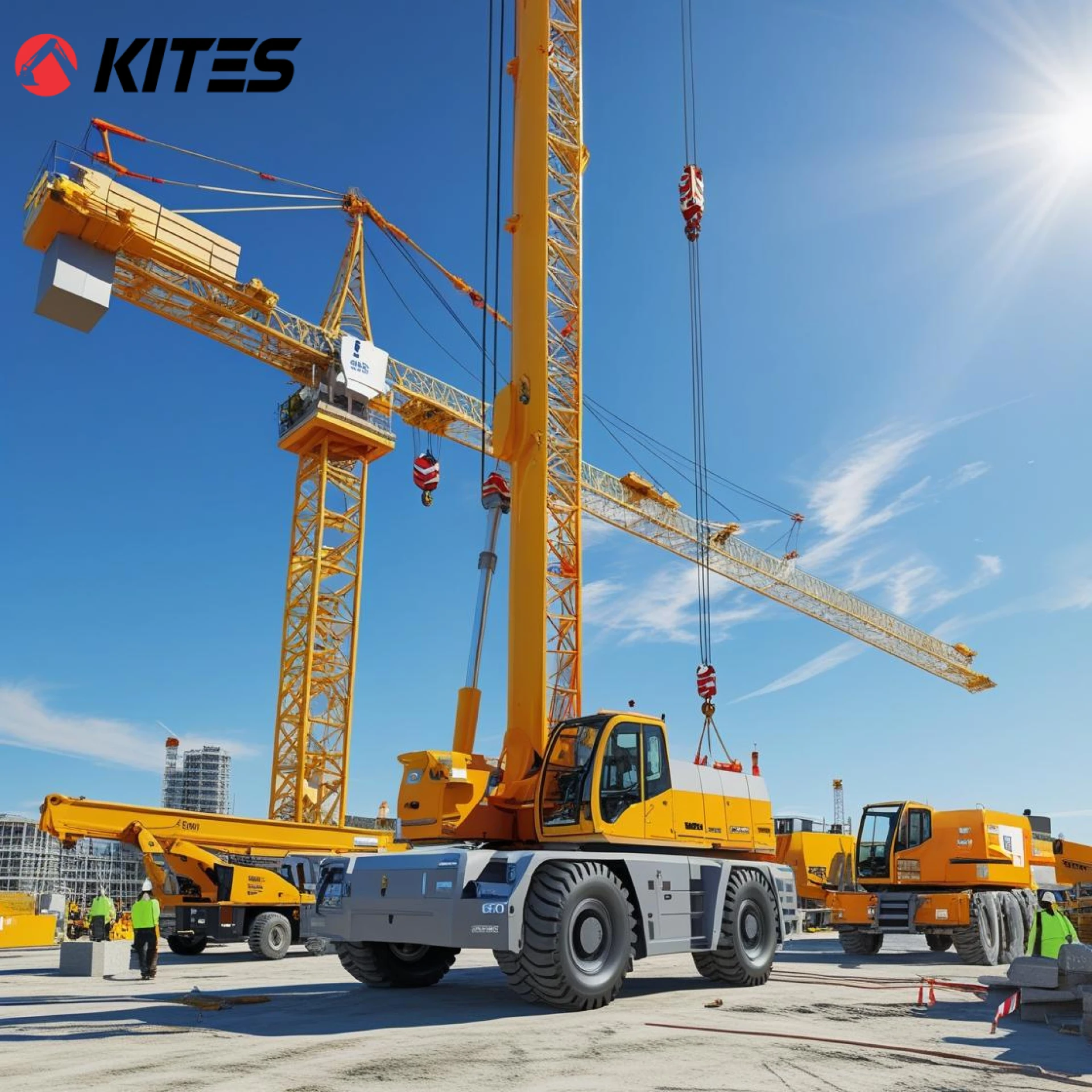
Crane rental instead of buying one offers several advantages, especially for construction companies, contractors, and businesses with fluctuating project needs. Here are the top benefits of renting a crane versus purchasing one:
1. Cost Savings
- No Large Upfront Investment: Purchasing a crane requires significant capital, while renting eliminates the need for a hefty down payment.
- Avoid Maintenance & Storage Costs: Ownership comes with ongoing expenses like repairs, inspections, and storage, whereas rentals include well-maintained equipment.
- No Depreciation Worries: Cranes lose value over time, but renting means you don’t bear the financial impact of depreciation.
2. Flexibility & Scalability
- Access to the Right Equipment for Each Project: Different jobs require different cranes (e.g., tower cranes, mobile cranes, crawler cranes). Renting allows you to choose the best model for each task.
- Adjust to Project Demands: Scale up or down based on workload without long-term commitments.
- Short-Term or Long-Term Rentals: Rent for a day, week, month, or longer as needed.
3. Latest Technology & Well-Maintained Equipment
- Modern, Efficient Models: Rental companies frequently update their fleets, giving you access to advanced, fuel-efficient, and safer cranes.
- Reduced Downtime: Rental providers ensure cranes are serviced and inspected, minimizing breakdown risks.
4. No Storage or Transportation Hassles
- No Need for a Storage Yard: Cranes require large storage spaces when not in use; renting eliminates this burden.
- Transportation Included: Many rental companies deliver and pick up the crane, saving logistics costs.
5. Reduced Liability & Compliance Burden
- Insurance & Permits Often Covered: Some rental agreements include insurance and help with permitting.
- Compliance with Regulations: Rental companies ensure cranes meet OSHA and other safety standards.
6. No Long-Term Commitment
- Ideal for Seasonal or One-Time Projects: If you don’t need a crane year-round, renting is more practical than buying.
- Avoid Obsolescence: Technology evolves quickly; renting prevents being stuck with outdated equipment.
7. Try Before You Buy (If Considering Purchase)
- Test Different Models: Renting allows you to evaluate a crane’s performance before making a purchase decision.
8. Tax & Financial Benefits
- Rental Costs Are Tax-Deductible: Lease payments can often be written off as business expenses.
- Preserves Credit Lines: Renting avoids tying up credit or loans in heavy equipment.
When Does Buying Make Sense?
- If your company has constant, high-demand crane needs.
- If you can handle maintenance, storage, and long-term costs.
- If you want to build equity in owned equipment.
Final Verdict
Renting a crane is usually the smarter choice for most businesses due to lower costs, flexibility, and reduced risk. Buying may only be justified for companies with continuous, predictable crane usage.
























Sign in to leave a comment.