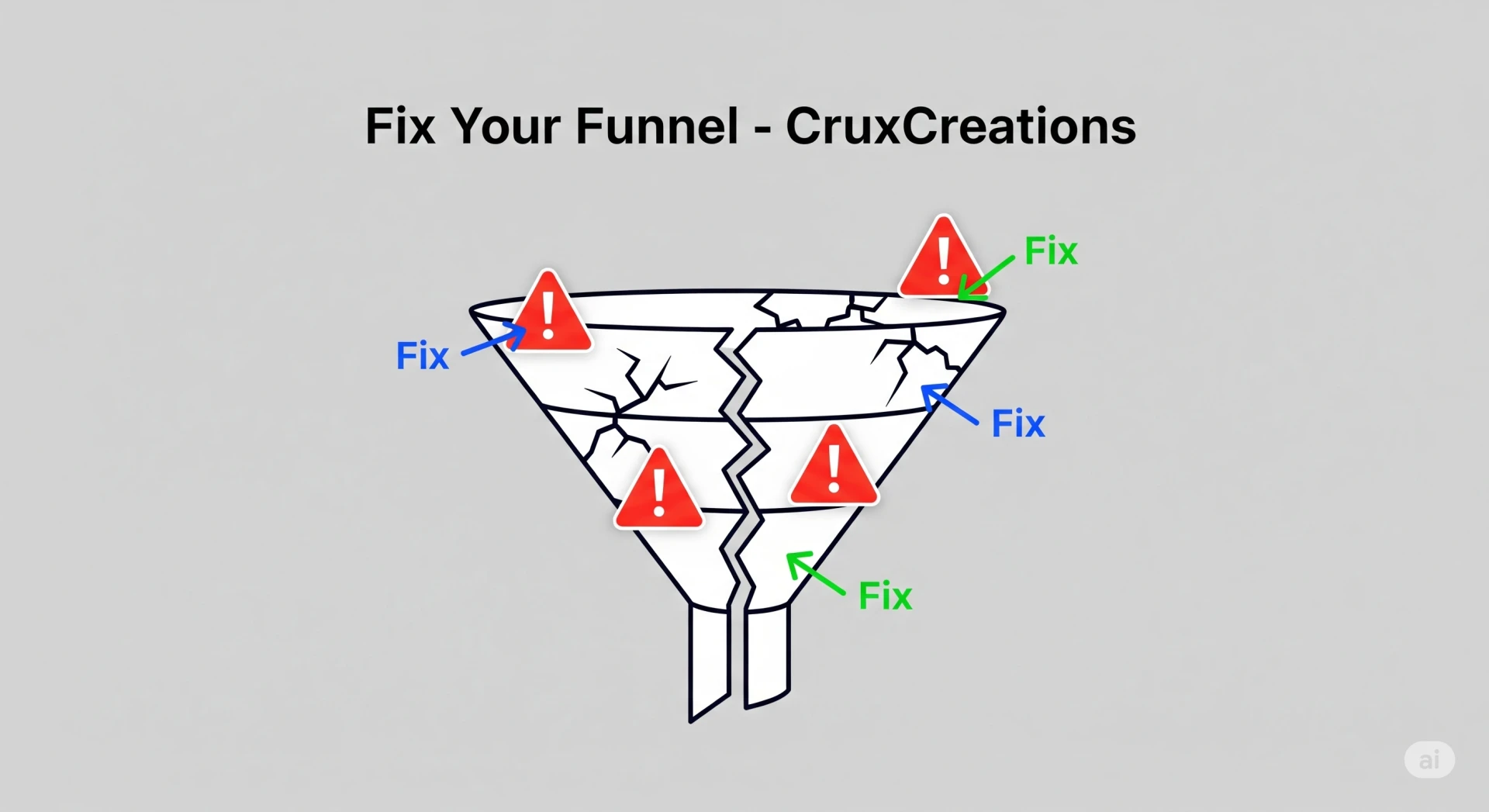

Many brands think their digital funnel works fine. But their users tell a different story.
People drop off. They bounce. They don’t convert. The issue isn’t the traffic. It’s the journey.
This blog breaks down where funnels fail—and how smart digital marketing can fix them.
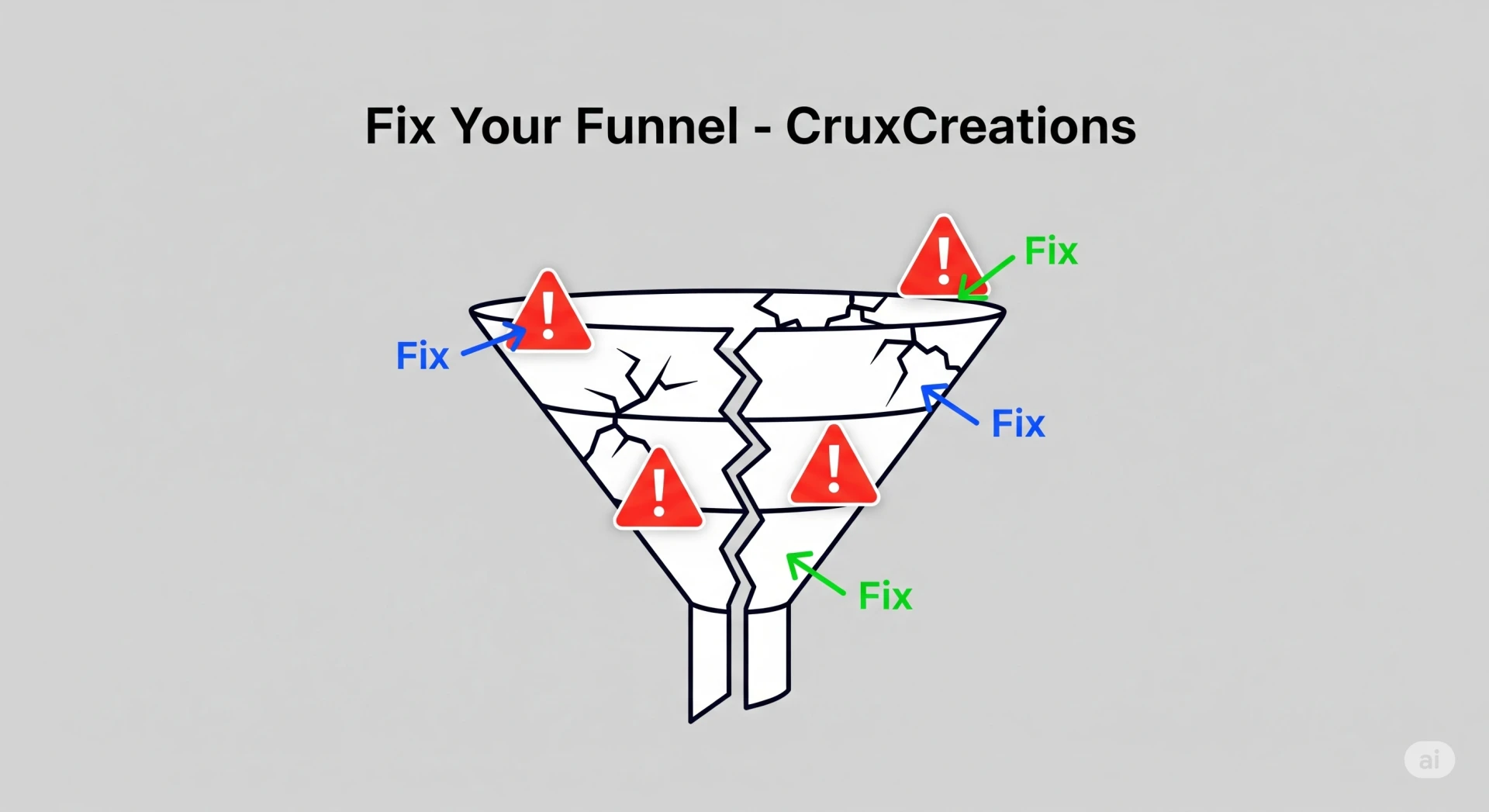
Funnels don’t match real user behavior
Most brands build linear funnels: ad → landing page → form → thank you.
But users don’t think that way. They jump around. They compare. They leave and come back later.
A modern funnel must support that freedom.
Use multiple entry points. Make the journey easy at every stage, not just the start.
Track full paths, not just first-click to last-click. This gives a better view of how people really move.
The offer comes too early—or too late
Timing matters.
Some sites push an offer in the first 10 seconds. Others wait until the user is long gone.
If you offer too soon, you seem pushy. If too late, they’ve already lost interest.
Find your timing sweet spot.
Use scroll depth, time-on-page, and interaction data to trigger smart offers.
Use A/B tests to learn what works best.
Digital marketing isn’t just what you offer—it’s when.
The messaging is unclear or inconsistent
If a user clicks an ad promising “fast setup” and lands on a page full of jargon, they’ll bounce.
Every step must support the same promise.
Make sure:
- Your ad headline matches the landing page
- The benefits stay consistent
- You use simple, direct language
- You avoid sudden tone changes
Clarity builds trust. Confusion loses clicks.
There’s too much friction
Friction kills funnels.
Look for blockers like:
- Too many form fields
- Slow page loads
- Forced logins
- Confusing buttons
- Popups that cover the screen
Fix these fast.
Use one-click logins. Trim forms. Speed up site load times.
Digital marketing works better when users don’t have to fight the system.
Call-to-actions are weak or missing
“Learn more” isn’t enough. It’s vague. It doesn’t lead to action.
A strong CTA tells users:
- What they’ll get
- Why they should care
- What happens next
Examples:
- “Get your free plan”
- “Start saving now”
- “Claim your demo today”
Make it bold. Make it clear. Make it easy.
The funnel stops too early
Many funnels end after one action—like a signup or a purchase.
But that’s not the end. It’s just the start.
Add steps like:
- Welcome emails
- Onboarding guides
- Follow-up offers
- Feedback requests
- Loyalty rewards
Keep people moving. The more value you give after the conversion, the more likely they stay.
This is how digital marketing turns one-time clicks into long-term wins.
You ignore mobile flow
In 2025, most traffic is mobile. But many funnels still feel built for desktops.
That’s a mistake.
Make sure your mobile funnel:
- Loads fast
- Uses large buttons
- Avoids small text
- Has simple steps
- Offers click-to-call or tap-to-text options
Test it on different devices. Ask real users to go through it. Fix every point of struggle.
The funnel isn’t tested often enough
Funnels aren’t “set and forget.” What worked last year might fail today.
Run tests on:
- Headlines
- Button colors
- Offer placement
- Email follow-ups
- Exit popups
Change one thing at a time. Measure the results.
Keep what works. Drop what doesn’t.
Digital marketing grows when you test, track, and tweak.
You’re tracking the wrong things
Many brands still chase vanity metrics—like pageviews or likes.
But they don’t show value.
Track actions that move people forward:
- Scroll depth
- Click-through rates
- Form completions
- Time spent
- Return visits
These tell you what’s working—and what’s not.
Use tools like GA4, Hotjar, and Mixpanel for deep funnel insights.
Real examples of funnel fixes
Example 1: Tech SaaS Site
Problem: 10-step signup form. Users dropped off halfway.
Fix: Reduced to 3 steps. Added progress bar. Completion rate rose 38%.
Example 2: E-commerce Store
Problem: Abandoned carts high.
Fix: Added a 2-hour reminder email + free shipping. Recoveries rose 22%.
Example 3: Online Course Platform
Problem: Low trial-to-paid conversion.
Fix: Added a welcome video and milestone emails. Upgrade rate doubled.
Small tweaks can lead to big wins.
Funnel audit checklist
Use this list to review your funnel:
- ✅ Does each step match your message?
- ✅ Is your CTA strong and clear?
- ✅ Is every page fast and mobile-friendly?
- ✅ Are forms short and smooth?
- ✅ Do you follow up after conversions?
- ✅ Are you tracking real actions?
- ✅ Have you tested key parts recently?
Fix what fails. Keep what works.
Digital marketing means checking your funnel often—and keeping it user-first.
Conclusion: A better funnel starts with real users
The best funnels feel natural. They guide users, not push them.
If your funnel isn’t converting, it’s not the traffic’s fault. It’s the journey.
Simplify steps. Clarify offers. Test everything. Keep going.
In 2025, digital marketing is less about tricks—and more about building honest, helpful paths that people want to follow.
























Sign in to leave a comment.