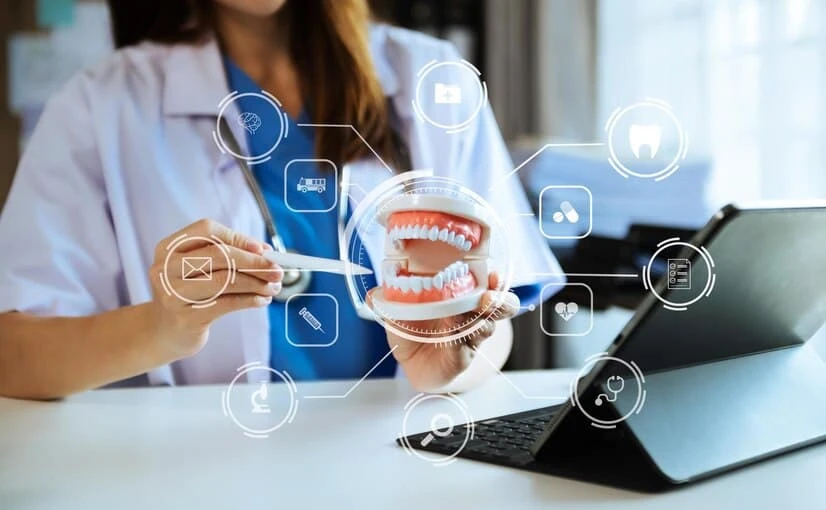

Healthcare organizations today rely heavily on digital systems to manage patient information, diagnostic equipment, communications, and administrative processes. While these technologies significantly improve efficiency and patient care, they also introduce serious cybersecurity risks. Cybercriminals increasingly target hospitals because they store highly sensitive patient data and often depend on systems that must remain accessible at all times.
Healthcare cybersecurity has therefore become a critical priority for hospitals around the world. A single breach can disrupt medical services, compromise patient safety, damage reputation, and lead to heavy financial losses. To protect patient information and maintain operational stability, hospitals must adopt strong cybersecurity strategies that address both technological and human vulnerabilities.
This article explores the most important cybersecurity strategies hospitals must implement today to strengthen their defenses and ensure the safety of sensitive healthcare data.
Understanding the Importance of Healthcare Cybersecurity
Healthcare institutions handle large volumes of confidential data including medical histories, insurance information, personal identification details, and financial records. This data is extremely valuable to cybercriminals and can be exploited for identity theft, insurance fraud, and other illegal activities.
In addition to data theft, hospitals face risks such as ransomware attacks, system disruptions, unauthorized access to medical devices, and data manipulation. These threats can directly affect patient care if critical systems become unavailable.
Healthcare cybersecurity therefore goes beyond protecting information systems. It is directly linked to patient safety, regulatory compliance, and trust between healthcare providers and the communities they serve.
Implement Strong Access Control Policies
One of the most effective ways to protect hospital systems is to control who can access sensitive data and systems.
Role Based Access Management
Hospitals should implement role based access controls so that employees only have access to the data necessary for their job responsibilities. Doctors may require access to patient records, but administrative staff may only need limited information.
Limiting unnecessary access significantly reduces the risk of accidental data exposure or internal misuse.
Multi Factor Authentication
Multi factor authentication adds an additional layer of protection beyond passwords. Users must verify their identity using two or more authentication methods such as a password, biometric verification, or a one time security code.
This makes it much harder for attackers to gain unauthorized access even if login credentials are compromised.
Protect Patient Data Through Encryption
Encryption plays a vital role in healthcare cybersecurity by ensuring that sensitive information remains unreadable to unauthorized users.
Data Encryption in Storage
Hospitals must encrypt stored patient data within databases, servers, and backup systems. If attackers gain access to the storage environment, encrypted data remains protected and cannot easily be used.
Encryption During Data Transmission
Medical data frequently travels between hospital departments, laboratories, insurance providers, and cloud platforms. Encrypting data during transmission prevents interception by malicious actors.
Secure communication protocols must be used whenever sensitive data is transferred across networks.
Maintain Regular Software Updates and Patch Management
Outdated software is one of the most common entry points for cyber attackers. Vulnerabilities in operating systems, medical devices, and hospital management software can be exploited if they remain unpatched.
Hospitals must establish a structured patch management process to ensure all systems receive timely security updates.
Automated Update Systems
Whenever possible, hospitals should use automated update mechanisms to deploy security patches across networks. Automation ensures that updates are not missed and reduces manual workload for IT teams.
Monitoring for Vulnerabilities
Security teams should continuously monitor systems for newly discovered vulnerabilities and apply patches quickly before attackers have an opportunity to exploit them.
Train Healthcare Staff on Cybersecurity Awareness
Human error remains one of the largest causes of cybersecurity incidents in healthcare. Even advanced security systems cannot protect an organization if employees unknowingly expose systems to risk.
Recognizing Phishing Attempts
Phishing emails are commonly used by cybercriminals to steal login credentials or distribute malicious software. Staff should be trained to identify suspicious messages, unknown attachments, and fraudulent links.
Safe Data Handling Practices
Employees should follow secure practices when accessing or sharing patient data. This includes logging out of shared computers, using secure passwords, and avoiding unauthorized data transfers.
Regular training programs help create a security conscious culture within hospitals.
Secure Medical Devices and Internet Connected Equipment
Modern hospitals use numerous internet connected medical devices such as monitoring systems, imaging equipment, and infusion pumps. These devices can become potential entry points for cyber attackers if not properly secured.
Device Authentication and Network Segmentation
Medical devices should require authentication before connecting to hospital networks. Additionally, hospitals should separate medical device networks from administrative systems to limit potential damage in case of a breach.
Continuous Device Monitoring
IT teams must continuously monitor connected devices for unusual behavior that may indicate a security compromise.
Implement Advanced Threat Detection Systems
Hospitals should use modern cybersecurity technologies to identify and respond to threats quickly.
Intrusion Detection Systems
Intrusion detection systems monitor network traffic and system activity for suspicious behavior. If unusual activity is detected, security teams can investigate immediately and prevent potential attacks.
Security Information and Event Management
Security monitoring platforms collect and analyze data from multiple systems across the hospital network. This centralized visibility allows cybersecurity teams to detect patterns and respond faster to threats.
Develop a Comprehensive Incident Response Plan
Even with strong security measures in place, cyber incidents can still occur. Hospitals must be prepared to respond quickly to minimize damage.
Incident Response Teams
Hospitals should establish dedicated teams responsible for managing cybersecurity incidents. These teams coordinate investigation, system recovery, communication, and regulatory reporting.
Regular Response Drills
Simulated cybersecurity incidents help organizations test their preparedness and improve response procedures. These exercises allow staff to practice responding to ransomware attacks, data breaches, and system disruptions.
Strengthen Network Security Infrastructure
A secure network foundation is essential for protecting hospital systems.
Firewalls and Network Monitoring
Advanced firewalls should be deployed to filter incoming and outgoing network traffic. Continuous monitoring helps detect suspicious connections or unusual data transfers.
Secure Remote Access
Healthcare professionals often access hospital systems remotely. Secure virtual private networks should be used to ensure safe remote connections and protect sensitive data.
Conduct Regular Security Audits and Risk Assessments
Healthcare cybersecurity requires continuous evaluation and improvement.
Vulnerability Assessments
Regular vulnerability assessments help identify weaknesses in hospital systems before attackers discover them. These assessments evaluate software, network configurations, and device security.
Compliance and Regulatory Reviews
Hospitals must ensure that their cybersecurity practices comply with healthcare data protection regulations and industry standards. Compliance audits help organizations maintain proper security practices and avoid legal penalties.
Backup Critical Data and Systems
Reliable data backups are essential for protecting hospitals against ransomware and system failures.
Secure Backup Storage
Backup copies of patient records and critical systems should be stored in secure locations separate from the main network environment. This ensures that data can be restored if the primary system is compromised.
Regular Backup Testing
Hospitals should regularly test their backup systems to ensure data can be restored quickly during emergencies. Testing confirms that backups are functional and up to date.
The Future of Healthcare Cybersecurity
As healthcare technology continues to evolve, cyber threats will also become more sophisticated. Hospitals must adopt proactive cybersecurity strategies that combine advanced technology, staff training, and strong security governance.
Artificial intelligence based threat detection, zero trust security models, and stronger regulatory frameworks are likely to shape the future of healthcare cybersecurity. Hospitals that invest in these technologies today will be better prepared to defend against emerging threats.
Conclusion
Healthcare organizations face growing cybersecurity challenges as digital technologies become more deeply integrated into medical operations. Protecting sensitive patient data and ensuring uninterrupted healthcare services requires a comprehensive cybersecurity strategy.
By implementing strong access controls, encrypting patient data, securing medical devices, training staff, and maintaining advanced threat detection systems, hospitals can significantly reduce their exposure to cyber risks. Regular security assessments and effective incident response planning further strengthen the overall security posture.
Healthcare cybersecurity is not a one time effort but an ongoing commitment that must evolve alongside emerging technologies and cyber threats. Hospitals that prioritize cybersecurity today will be better positioned to protect patient trust, safeguard sensitive information, and maintain reliable healthcare services.
For healthcare institutions seeking expert guidance and advanced cybersecurity solutions, Veritaz IT Solutions offers specialized support to help strengthen digital security frameworks and ensure long term protection of healthcare systems.



























Sign in to leave a comment.