In today’s fast-shifting market, digital transformation has become the driving force behind modern business growth. Organisations are rapidly adopting new technologies not only to stay competitive but also to create faster, smarter, and more resilient systems. As advanced tools continue to evolve, companies must understand the major shifts reshaping how teams operate, communicate, and deliver value. Here are the top trends every business needs to prepare for in the coming years.
1. AI-Driven Automation Becomes the Default
Artificial intelligence is no longer a luxury; it’s a core tool for boosting accuracy and speed. Businesses are embracing AI-enabled workflow automation, intelligent process optimisation, and machine-learning business tools to streamline repetitive tasks. From auto-generated reports to predictive recommendations, smarter systems help teams work faster while reducing human error. This shift allows professionals to focus on strategy and creativity instead of routine activities.
2. Rise of Industry-Specific AI Copilots
The next era of smart tools is arriving in the form of AI workplace copilots, context-aware business assistants, and adaptive enterprise copilots. These systems go beyond task automation by helping employees make better decisions, analyse patterns, and manage workloads. From manufacturing and logistics to healthcare and finance, specialised copilots are transforming how teams collaborate and solve problems. Soon, every department—HR, sales, operations, and customer service—will rely on personalised digital support.
3. Cloud Adoption Remains a Strategic Priority
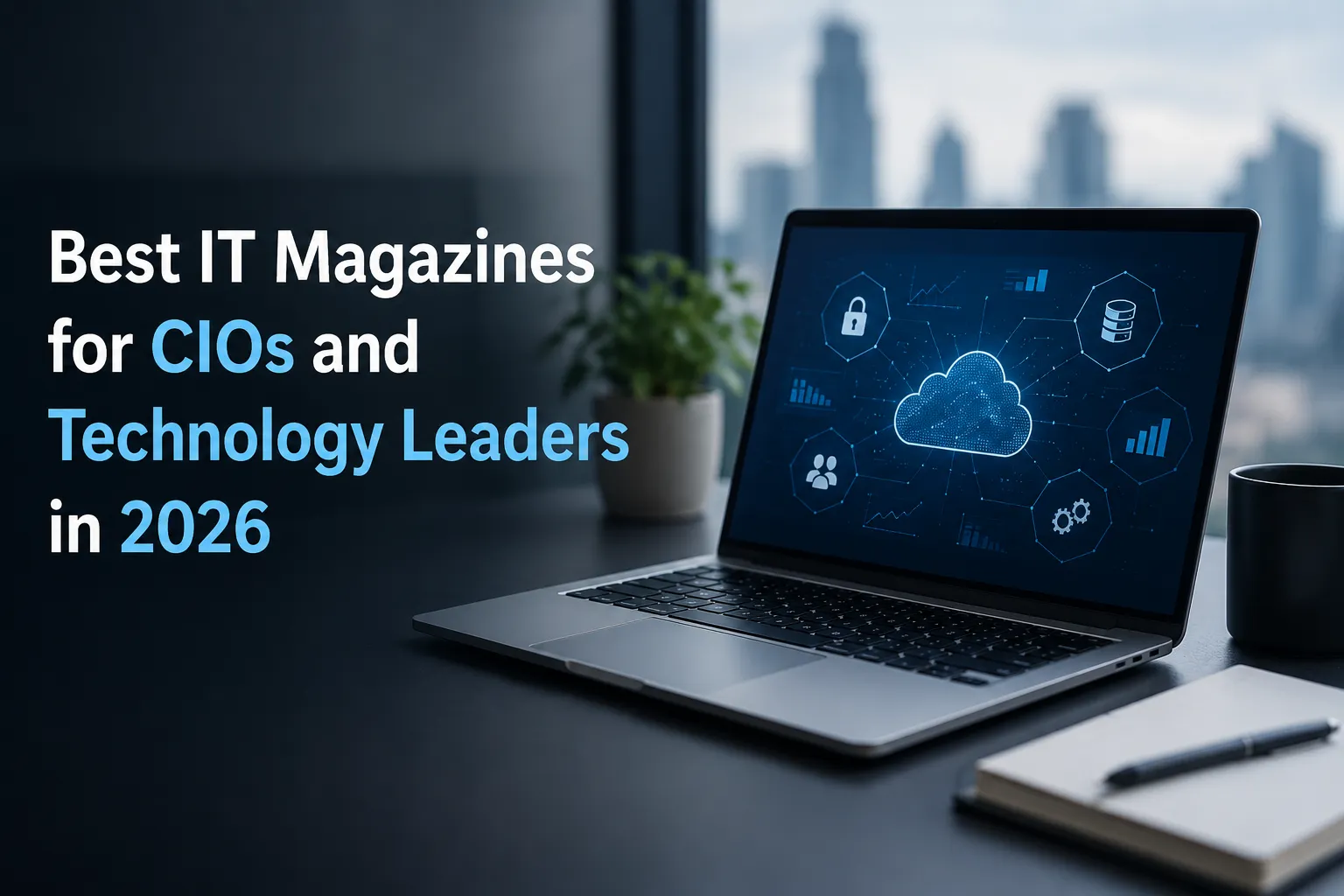
Organisations continue shifting to scalable platforms through cloud-based business infrastructure, hybrid cloud solutions, and multi-cloud operations. These environments offer flexibility, stronger security, and faster deployment of applications. Companies that rely on outdated systems are increasingly moving to cloud-first strategies to reduce costs, improve uptime, and support remote teams. As data grows exponentially, cloud ecosystems ensure smoother, safer, and more efficient operations.
4. Cybersecurity Gets Smarter and More Predictive
With rising cyber threats, businesses are strengthening defences using AI-powered security analytics, zero-trust protection frameworks, and advanced threat-detection platforms. Security models now focus on preventing attacks before they happen rather than reacting later. Automated monitoring tools, biometric authentication, and continuous risk analysis have become essential for protecting sensitive data, especially for organisations operating across digital channels.
5. Hyper-Personalisation Shapes Customer Experiences
Consumers expect brands to understand their needs instantly. Companies are leveraging real-time personalisation engines, customer-centric data platforms, and predictive engagement systems to deliver tailor-made experiences. Whether it's customised product suggestions, dynamic pricing, or personalised communication, businesses that invest in behaviour-driven insights gain stronger loyalty and higher conversions.
6. Expansion of IoT and Smart Connected Systems
Connected devices are transforming industries with IoT-enabled asset monitoring, smart operational ecosystems, and sensor-driven analytics. Manufacturers track equipment health in real time, retailers manage inventory automatically, and logistics companies improve delivery accuracy through location-based intelligence. As networks expand, connected systems will become even more essential for efficiency and automation.
7. Low-Code and No-Code Platforms Empower Teams
The rise of low-code development tools, rapid application creation platforms, and citizen-developer solutions allows non-technical staff to build simple apps and workflows. This reduces dependency on IT teams and accelerates innovation across departments. Companies can now launch prototypes, automate small tasks, and build internal tools faster than ever.
8. Data Becomes the Core of Every Decision
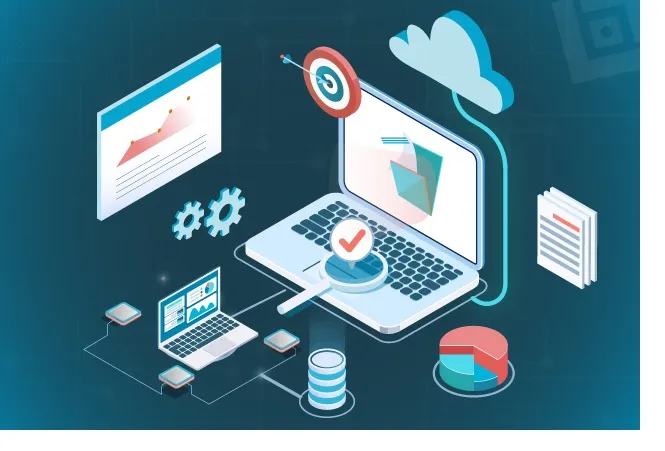
Businesses are shifting from intuition-based choices to data-driven decision models, advanced analytics ecosystems, and predictive intelligence systems. Teams rely on real-time dashboards, forecasting algorithms, and performance insights to understand trends, optimise operations, and plan more effectively. With smarter insights, companies can innovate confidently and respond quickly to market changes.
Final Thoughts
Technology is evolving rapidly, and organisations that embrace modern tools will thrive in a competitive landscape. The trends above will redefine how businesses operate, innovate, and engage with customers. Preparing for these shifts today ensures long-term growth and resilience tomorrow.
























Sign in to leave a comment.