
Pressure ulcers—also known as bedsores or decubitus ulcers—are a pressing healthcare challenge affecting millions globally, particularly among patients with limited mobility or chronic illness. These wounds occur when sustained pressure compromises blood flow to the skin and underlying tissue, resulting in painful, difficult-to-heal injuries.

Selecting the right medical bed mattress is paramount to both preventing pressure ulcers and supporting healing in affected patients. As mattress technology evolves, it’s vital for patients, caregivers, and healthcare providers to understand how different mattress types work and which are best suited to various clinical needs.
In this article, we delve into the mechanisms behind pressure ulcers, highlight the importance of mattress choice, and review the leading medical mattresses recommended by experts for 2025.
Understanding Pressure Ulcers: Causes and Risks
Pressure ulcers develop due to prolonged unrelieved pressure, primarily over bony prominences such as the heels, sacrum, hips, and elbows. This pressure restricts blood vessels, causing tissue ischemia and eventual breakdown. The risk is further compounded by factors like shear forces (skin sliding against bone), friction, excessive moisture, and compromised circulation.
Populations at highest risk include elderly individuals, those confined to beds or wheelchairs, bariatric patients, and persons with neurological impairments who may not sense discomfort or reposition independently.
Pressure ulcers contribute to significant morbidity, including pain, infection, extended hospital stays, and even increased mortality. The economic burden is also considerable, with billions spent annually on prevention and treatment worldwide.
Why Mattress Selection Is a Cornerstone of Prevention and Recovery
The mattress beneath a patient is far more than a comfort aid—it is a vital medical device that can dramatically influence outcomes. Ordinary mattresses lack the design features necessary to relieve pressure effectively or manage skin moisture, leading to a higher risk of ulcer formation.
Specialized medical mattresses work to:
- Redistribute pressure across a wider surface area to prevent tissue ischemia
- Minimize shear and friction forces that damage the skin
- Control moisture and temperature to maintain skin integrity
- Support comfort and positioning to improve patient compliance and healing
Choosing an appropriate mattress is a clinical decision informed by the patient’s condition, risk factors, and care environment.
How Medical Mattresses Work: Exploring Key Technologies
Foam Mattresses: Adaptive Comfort and Pressure Redistribution
Foam mattresses, often made from high-density or memory foam, conform closely to the patient’s body, increasing the area over which weight is spread. This reduces concentrated pressure points that cause tissue damage. Foam is silent, portable, and generally cost-effective, making it a preferred option for patients at lower risk or with mild mobility limitations.
However, foam can trap heat and moisture, which may exacerbate skin issues if not paired with breathable covers or overlays.
Gel Overlay Mattresses: Enhanced Cooling and Shear Reduction
Gel overlays placed atop foam mattresses provide cushioning while dispersing heat. The cooling effect reduces sweating and skin maceration, crucial for patients prone to moisture-related breakdown. Gel also reduces shear forces by allowing smoother repositioning.
Though not a standalone solution for severe ulcers, gel overlays complement other therapies effectively.
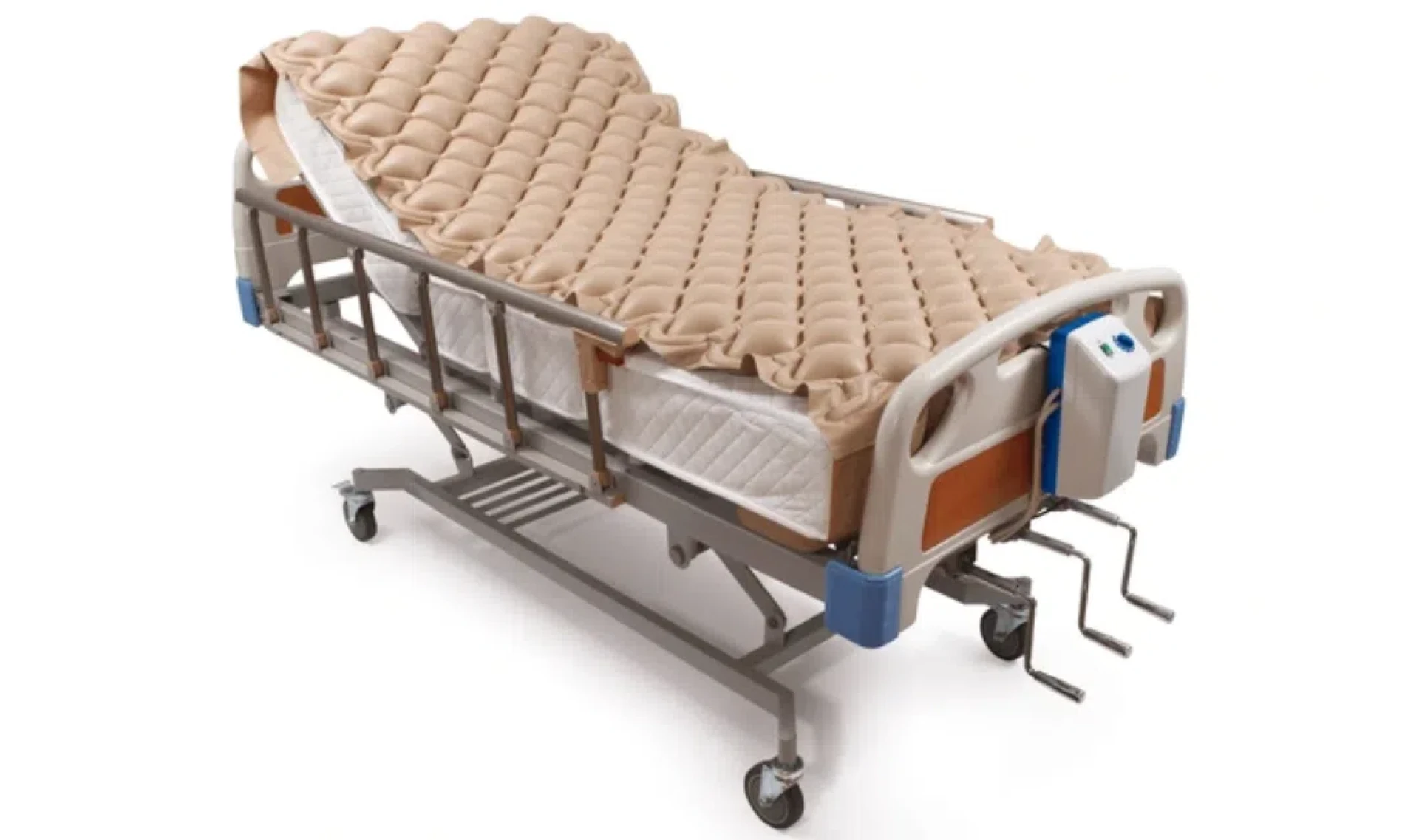
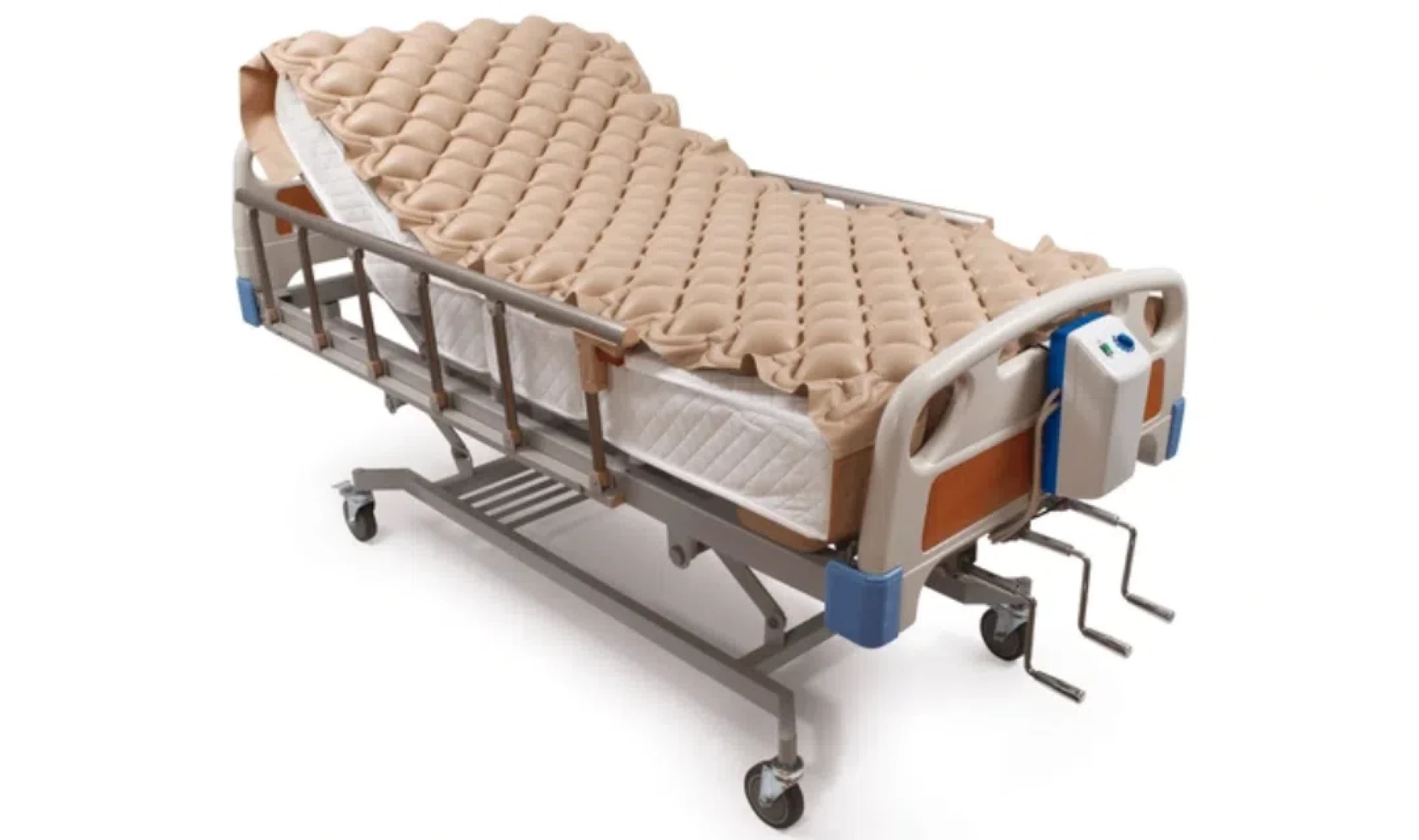
Alternating Pressure Mattresses: Dynamic Offloading
Designed for patients with moderate to severe ulcers or at very high risk, alternating pressure mattresses contain multiple air cells that inflate and deflate cyclically. This mimics natural movement, constantly shifting pressure away from vulnerable sites.
This dynamic action enhances blood flow, prevents tissue ischemia, and supports faster healing. Maintenance requirements and noise from pumps are considerations for use.
Low Air Loss Mattresses: Combining Pressure Relief and Skin Health
Low air loss mattresses introduce a continuous airflow to reduce moisture buildup on the skin while providing pressure redistribution. This is particularly beneficial for patients with incontinence or excessive perspiration.
The dual function of pressure management and moisture control makes these mattresses invaluable in comprehensive ulcer prevention.
Hybrid Mattresses: Integrating Multiple Technologies
Recent innovations blend foam, gel, and air pressure technologies to maximize protection and comfort. These hybrid systems adjust to patient needs dynamically and help optimize both prevention and healing outcomes.
Consequences of Inadequate Pressure Management
Without the right mattress, pressure ulcers can worsen rapidly, leading to deeper wounds, infections, and systemic complications. Skin maceration from trapped moisture further deteriorates skin integrity, and patient discomfort may reduce compliance with repositioning protocols.
These factors increase healthcare costs, lengthen recovery times, and strain caregivers physically and emotionally.
Leading Medical Mattresses for 2025: Expert-Recommended Solutions
Here are some of the top-rated medical mattresses recognized by wound care experts and healthcare professionals:
- Protekt Supreme Support Alternating Pressure Mattress: Offers advanced dynamic pressure relief and comfort customization.
- Protekt 300 Pressure Foam Mattress: Durable foam mattress delivering reliable pressure redistribution for low to moderate risk.
- Protekt 500 Gel Medical Mattress for Home Use: Combines gel overlays with foam for cooling and shear reduction.
- Invacare microAIR MA500 Low Air Loss Mattress: Integrates pressure cycling with continuous airflow to protect vulnerable skin.
- Protekt Aire 7000 Lateral Rotation Mattress System: Supports lateral rotation therapy to reduce prolonged pressure and improve pulmonary function.
- Joerns PrevaMatt Hospital Bed Mattress: Foam-based mattress with antimicrobial cover for hygiene and comfort.
- Invacare Bariatric Mattress: Reinforced to support higher weight while maintaining pressure relief.
Final Thoughts: Educate to Empower Better Outcomes
Pressure ulcers remain a significant challenge but are largely preventable with proper care and equipment. Selecting the right mattress tailored to patient risk and clinical needs is crucial to reducing incidence, accelerating healing, and improving quality of life.
By staying informed about mattress technologies and their applications, patients and caregivers can make choices that provide effective pressure relief, maintain skin health, and reduce the emotional and financial toll of pressure ulcers.




























Sign in to leave a comment.