

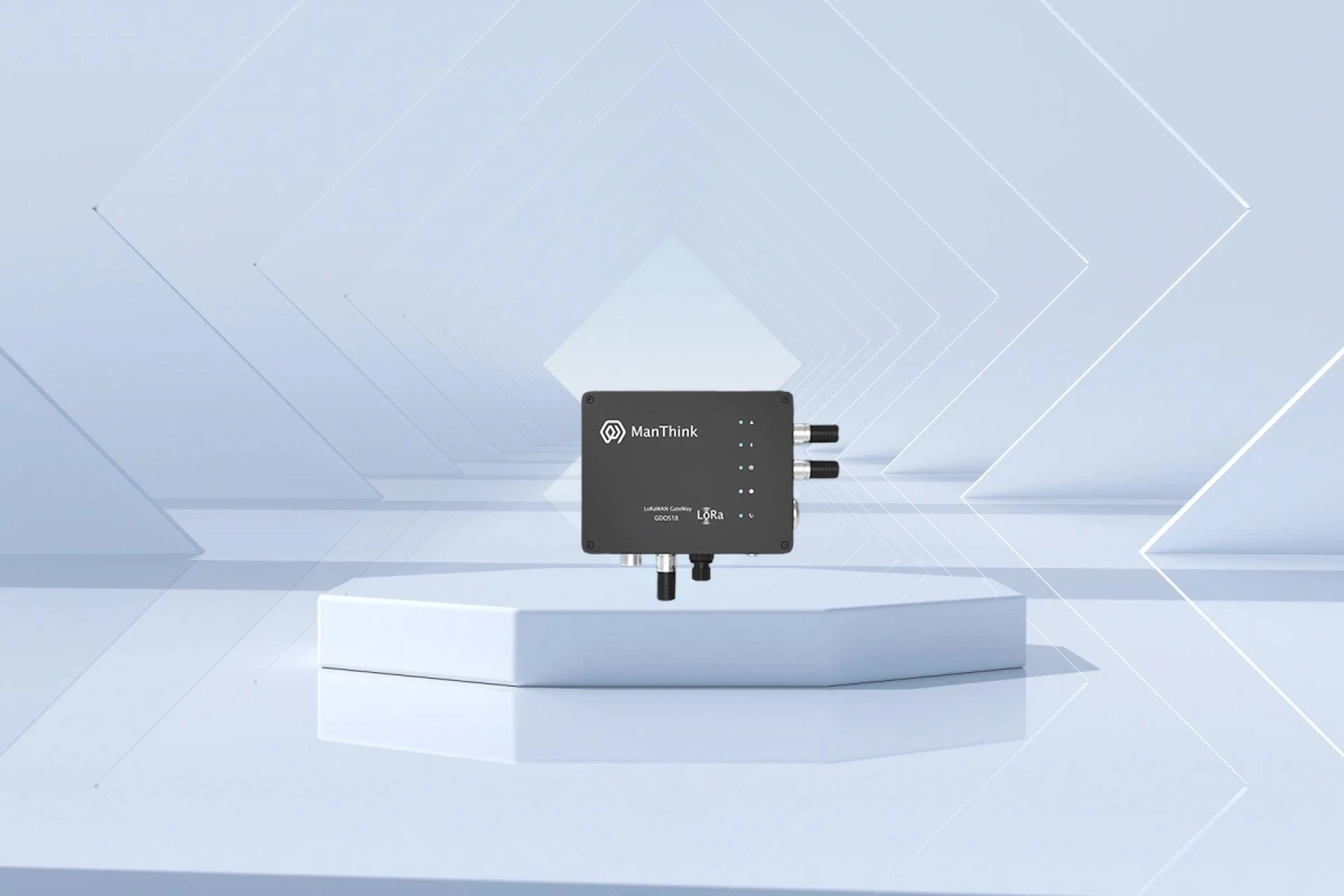
As Low Power Wide Area Network (LPWAN) adoption grows across China, many businesses and system integrators are investing in LoRaWAN technology for smart cities, agriculture, utilities, and industrial IoT. However, beginners often underestimate the planning and technical knowledge required to deploy a reliable network. At Manthink Technology, we frequently see similar errors made during early deployments. Understanding these pitfalls can help you avoid performance issues and unnecessary costs when working with a LoRaWAN base station.
1. Poor Site Selection and Placement
One of the most common mistakes is choosing an unsuitable installation location. New users often assume that any high point will deliver optimal coverage. In reality, obstacles such as dense buildings, metal structures, and interference sources can severely reduce signal quality. Installing a LoRaWAN base station without conducting a proper site survey often leads to blind spots and unstable connectivity. A clear line of sight, appropriate elevation, and consideration of surrounding RF noise are essential for consistent network performance.
2. Ignoring Network Capacity Planning
Many beginners focus only on coverage and forget about capacity. As the number of connected devices increases, uplink and downlink traffic can quickly overload the system. Deploying a LoRaWAN base station without estimating device density, data transmission frequency, and application requirements may result in packet loss and higher latency. Proper capacity planning ensures that your network can scale smoothly as your IoT deployment grows.
3. Incorrect Antenna Selection and Configuration
Antenna choice plays a critical role in overall system efficiency. New users often select antennas based solely on gain numbers without understanding radiation patterns or polarization. Using the wrong antenna type with a LoRaWAN base station can limit coverage or cause uneven signal distribution. Correct antenna tuning, quality cabling, and secure connections are just as important as the base station hardware itself.
4. Overlooking Security and Device Management
Security is sometimes treated as an afterthought by newcomers. Weak authentication settings, improper key management, and poor device provisioning can expose the network to risks. When deploying a LoRaWAN base station, it is vital to follow best practices for encryption, access control, and firmware updates. A secure and well-managed network protects both data integrity and long-term operational stability.
5. Underestimating Maintenance and Monitoring
Some beginners assume that once installed, the system will run indefinitely without attention. Environmental factors, firmware updates, and network changes all require ongoing monitoring. Regular performance checks and proactive maintenance of your LoRaWAN base station help identify issues early and maintain optimal uptime.
Conclusion
Deploying LoRaWAN infrastructure successfully requires more than just hardware installation. By avoiding these common mistakes—poor placement, lack of planning, incorrect antenna use, weak security, and neglecting maintenance—you can build a robust and scalable network. With expertise from Manthink Technology, organizations in China can achieve reliable IoT connectivity and maximize the long-term value of their LoRaWAN investments.




























Sign in to leave a comment.