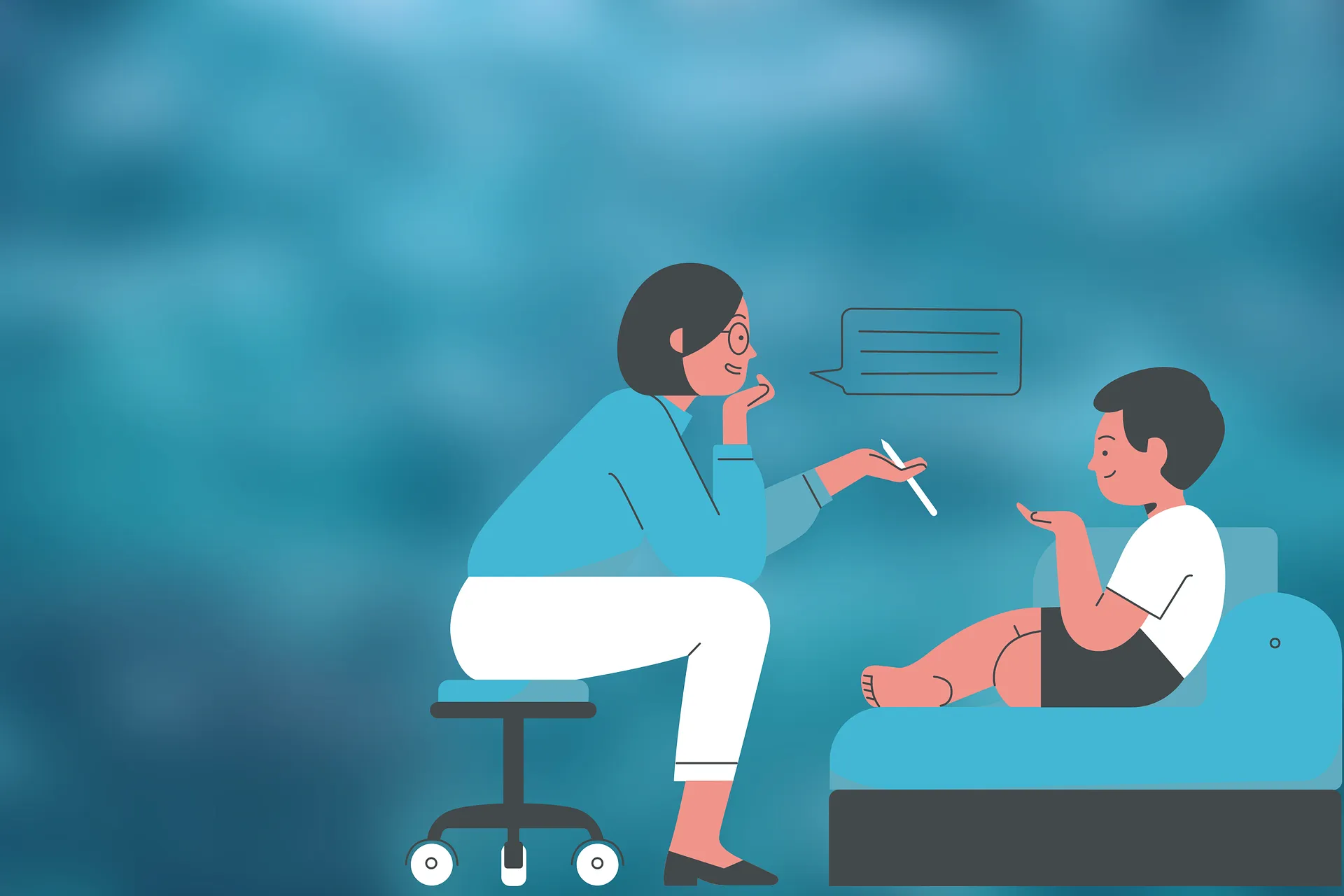

Bipolar disorder is a complex mental health condition that requires consistent care, professional guidance, and long-term management strategies. In recent years, online therapy for bipolar disorder has emerged as a practical and accessible option for individuals seeking structured psychological support without the limitations of in-person visits. Digital mental health services now offer access to licensed therapists, psychiatrists, and mood-tracking tools that help individuals better understand and manage their condition from home.
As mental health care continues to evolve, many people are also exploring related services such as ptsd therapy online, teletherapy for mood disorders, and online psychiatric counseling to address overlapping symptoms like anxiety, trauma, and emotional instability. These digital solutions are expanding access to care for individuals who may otherwise face barriers such as location, cost, or scheduling limitations.
Understanding Bipolar Disorder and Digital Mental Health Support
Bipolar disorder is characterized by alternating episodes of mania, hypomania, and depression. These shifts in mood can significantly impact daily functioning, relationships, and work performance. Traditional treatment often includes a combination of medication and psychotherapy, but access to consistent in-person care is not always feasible.
Digital mental health platforms help bridge this gap by offering structured therapy sessions, psychiatric evaluations, and self-management tools. Many platforms also integrate cognitive behavioral therapy (CBT), psychoeducation, and mood tracking features that allow patients and providers to monitor emotional patterns over time. This data-driven approach can be especially helpful in identifying early warning signs of mood episodes.
What to Look for in Online Therapy Platforms for Bipolar Disorder
Choosing the right online therapy platform is essential for effective long-term management. Not all services offer the same level of clinical support, so evaluating key features is important.
Licensed Mental Health Professionals
A reliable platform should provide access to licensed therapists, psychologists, or psychiatrists who have experience treating mood disorders. Bipolar disorder often requires specialized care, not just general counseling.
Psychiatric and Medication Management Services
Since medication is a cornerstone of bipolar treatment for many individuals, platforms that include psychiatric consultations and prescription management can offer a more comprehensive care model.
Structured Therapy Approaches
Evidence-based therapies such as cognitive behavioral therapy (CBT), dialectical behavior therapy (DBT), and interpersonal and social rhythm therapy (IPSRT) are commonly used to help stabilize mood patterns and improve emotional regulation.
Crisis Support and Monitoring Tools
Some platforms include crisis intervention features, check-ins, or emergency resource guidance. While not a replacement for emergency services, these tools can provide added safety for individuals experiencing severe mood fluctuations.
Top Features of Effective Online Therapy Platforms
Modern online therapy platforms vary widely in their services, but the most effective ones share several core features that support bipolar disorder management.
1. Integrated Care Models
The best platforms combine therapy, psychiatry, and self-guided tools in one ecosystem. This integration ensures that treatment plans remain consistent and adaptable over time.
2. Mood Tracking and Journaling Tools
Digital mood trackers allow users to record daily emotional states, sleep patterns, and triggers. Over time, this information helps both clients and clinicians identify behavioral trends and adjust treatment strategies accordingly.
3. Flexible Communication Options
Messaging-based therapy, live video sessions, and asynchronous check-ins provide flexibility for individuals with unpredictable schedules or fluctuating energy levels.
4. Data Security and Privacy
Given the sensitivity of mental health information, strong encryption and HIPAA-compliant systems are essential features. Trustworthy platforms prioritize confidentiality and secure data storage.
5. Examples of Widely Used Platforms
Several established services have gained recognition for offering structured mental health care online. Platforms such as BetterHelp, Talkspace, and Amwell provide access to licensed professionals and varying levels of psychiatric support, making them commonly used options for individuals seeking digital therapy solutions.
Benefits and Limitations of Online Therapy for Bipolar Disorder
Online therapy offers several advantages, particularly in terms of accessibility and convenience. Individuals in remote areas or those with limited mobility can access consistent care without traveling. It also allows for more flexible scheduling, which can be beneficial during periods of mood instability.
Another significant benefit is continuity of care. Many platforms enable users to maintain long-term relationships with therapists, even if they relocate or change circumstances. Additionally, digital tools such as mood tracking and journaling can enhance self-awareness and treatment adherence.
However, online therapy also has limitations. It may not be suitable for individuals experiencing severe manic or depressive episodes that require immediate in-person intervention. Technical issues, lack of physical presence, and varying levels of therapist expertise can also affect the quality of care. As a result, online therapy is often most effective when used as part of a broader, hybrid treatment plan that may include in-person psychiatric support.
How to Choose the Right Platform for Bipolar Disorder Care
Selecting an appropriate platform depends on individual needs, symptom severity, and treatment goals. One of the first considerations is whether psychiatric services are included, especially for those who require medication management.
It is also important to evaluate therapist qualifications and ensure that providers have experience with mood disorders. Some platforms allow users to match with therapists based on specialization, which can improve treatment outcomes.
Cost and insurance coverage are additional factors. While some platforms operate on subscription models, others may accept insurance or offer sliding-scale pricing. Reviewing these options can help ensure long-term affordability.
Finally, usability matters. A platform should be easy to navigate, with reliable video conferencing, responsive support, and accessible tools that encourage consistent engagement.
Conclusion
Online therapy has become an increasingly important resource for individuals managing bipolar disorder, offering flexible access to licensed professionals and structured mental health support. While it is not a complete substitute for all forms of psychiatric care, it provides valuable tools for monitoring mood patterns, maintaining treatment continuity, and improving overall emotional stability. As digital mental health services continue to evolve, they are likely to play an even greater role in supporting individuals with complex mood disorders in a more accessible and personalized way.





























Sign in to leave a comment.