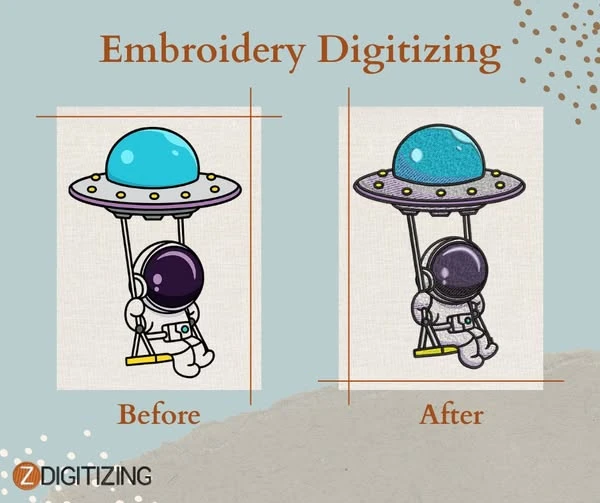

In custom embroidery, the quality of the final product reflects not only creativity but also precision, skill, and careful planning. One essential step in achieving professional results is through top quality embroidery digitizing.
This process converts designs, logos, or images into a digital format that embroidery machines can read and execute. The accuracy of digitizing directly affects stitch consistency, fabric stability, and the overall appearance of the finished embroidery.
For businesses creating branded apparel or individuals producing personalized items, understanding what makes digitizing effective can significantly improve the quality and durability of embroidery projects.
What is Embroidery Digitizing?
Embroidery digitizing is the process of translating two-dimensional artwork into a format readable by embroidery machines. Unlike digital printing or graphics display, embroidery requires converting designs into precise stitch sequences that account for thread type, stitch density, fabric characteristics, and machine capabilities.
When a design is digitized correctly, curves are smooth, edges are clear, and stitches are consistent. Poor digitizing can result in thread breaks, uneven stitching, puckering, or distorted designs, making it crucial to work with experienced digitizers or professional services.
Benefits of Professional Digitizing
Investing in high-quality digitizing provides several advantages that impact both the process and the final embroidery product:
- Accuracy and Detail Preservation: A skilled digitizer ensures that logos, text, and graphics are reproduced accurately, keeping every element of the design intact.
- Smooth Stitching: Optimized stitch paths reduce thread jumps, tangling, and bunching, giving the embroidery a neat appearance.
- Durability: Proper stitch density and underlay support prevent deformation, ensuring the embroidery maintains its shape after multiple washes.
- Efficiency: Correctly digitized files help machines operate smoothly, reducing thread breaks and production delays.
- Fabric Adaptation: High-quality digitizing accounts for different materials, from lightweight fabrics to heavier textiles, maintaining design quality across various surfaces.
Features of Expert Digitizing Services
Professional digitizing services use a combination of skill, experience, and technology to produce precise embroidery files. Key features include:
- Manual Digitizing: Skilled digitizers adjust stitch types, directions, and densities manually rather than relying entirely on automated software, resulting in better accuracy and finish.
- Correct Stitch Count: Proper stitch calculation ensures the design is neither over-stitched nor under-stitched, protecting both the fabric and the design’s appearance.
- Underlay Techniques: Stable underlay stitching prevents puckering and provides a solid base for top stitches, especially on delicate or stretchy fabrics.
- Design Adaptation: Complex logos, gradients, or small text are analyzed and modified to maintain clarity and aesthetic quality in embroidery format.
- Machine Compatibility: Digitized files are optimized for various embroidery machines, preventing errors during production.
Choosing the Right Digitizing Service
Selecting the right service can make a noticeable difference in the outcome of embroidery projects. Consider these points:
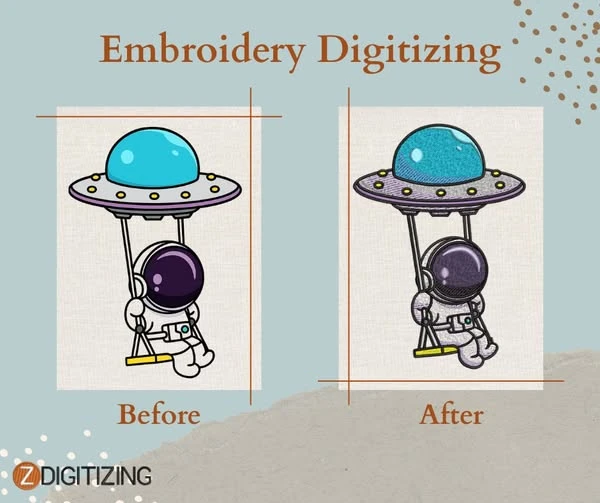
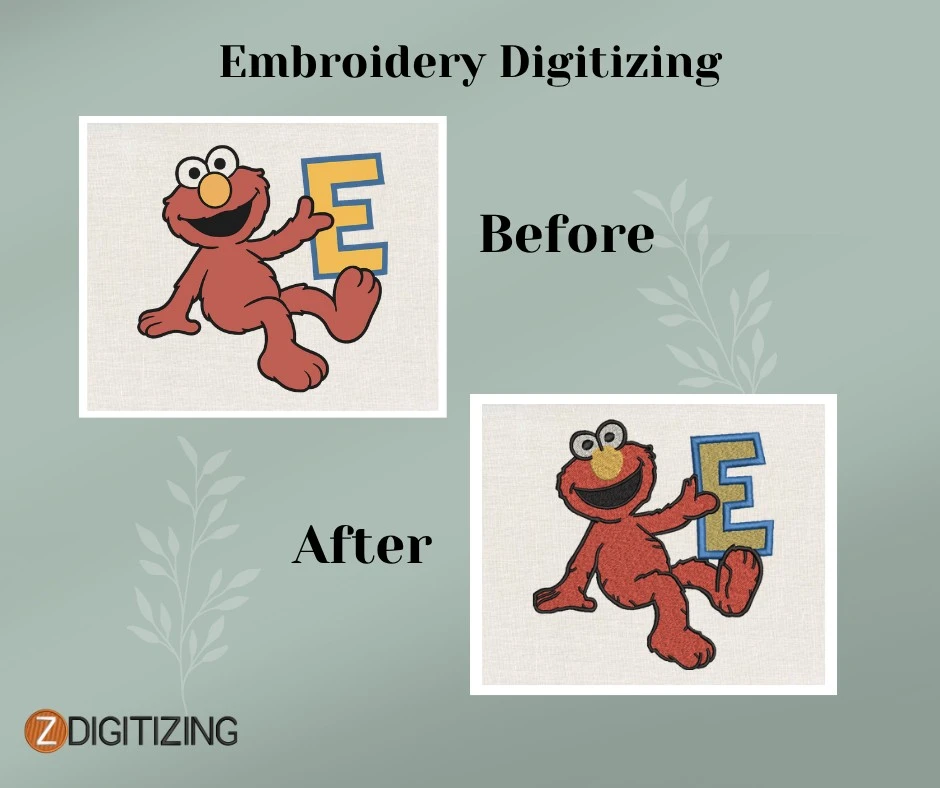
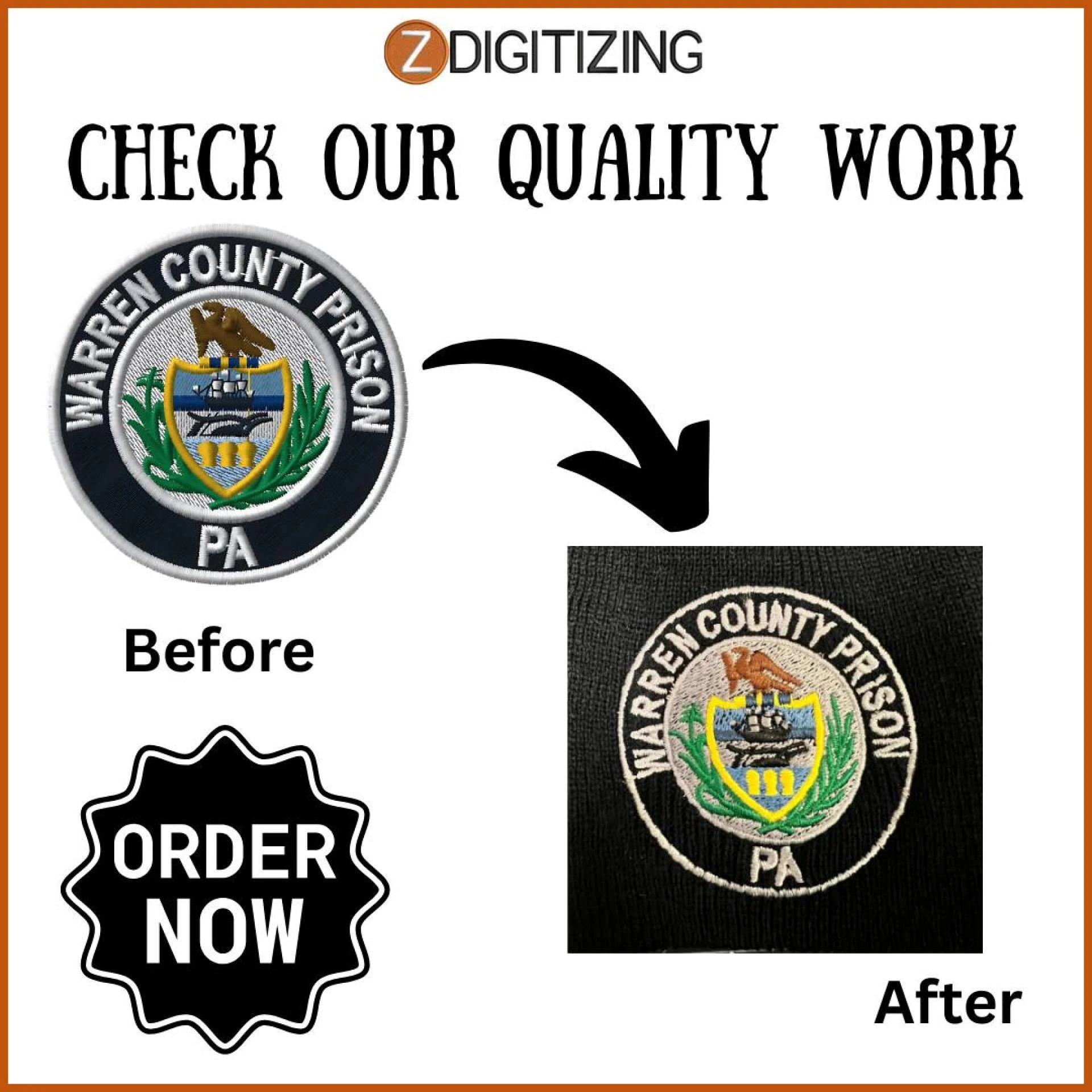
- Review Past Work: Examine a service’s portfolio to assess stitch quality, precision, and experience with complex designs.
- Customization Options: Ensure they can adapt designs for different fabrics, sizes, or project requirements.
- Turnaround and Support: Reliable communication, timely delivery, and post-digitizing assistance are important for smooth workflow.
- Technology and Software: Services using updated digitizing software can handle intricate designs more efficiently.
- Transparent Pricing: Choose providers that clearly outline costs based on design complexity rather than offering flat rates, ensuring fair pricing.
Final Thoughts
Embroidery digitizing is a critical step in creating professional-quality embroidery. By converting artwork into accurate stitch patterns while accounting for fabric type, thread, and machine specifications, high-quality digitizing ensures designs are precise, durable, and visually appealing. Businesses and hobbyists who work with skilled digitizers benefit from reduced production issues, enhanced design clarity, and embroidery that performs well over time.
For those producing branded apparel, gifts, or custom items, investing in professional digitizing ensures the embroidery meets high standards and reflects careful craftsmanship. Understanding the process and choosing the right digitizing service can prevent common errors and achieve results that are both reliable and impressive.
Frequently Asked Questions (FAQs)
1. What is the difference between digitizing and embroidery printing?
Digitizing converts a design into a stitch sequence for embroidery machines, whereas embroidery printing uses inks or other methods to replicate designs on fabric. Digitizing ensures durable, textured stitches that integrate with the fabric, unlike printed designs.
2. Can I digitize my design myself?
While basic designs can be digitized using software, professional digitizing requires skill and experience to optimize stitch types, density, and fabric adaptation. Incorrect digitizing can lead to distorted or unstable embroidery.
3. How does fabric type affect digitizing?
Different fabrics behave differently under embroidery. Lightweight or stretchy fabrics require specific underlay and stitch adjustments, while heavy fabrics need denser stitches. Quality digitizing accounts for these variations to maintain design integrity.
4. Why do I need professional digitizing for small text or logos?
Small details are challenging for embroidery machines. Professional digitizing adjusts stitch density, direction, and underlay to maintain legibility and prevent distortion, ensuring even tiny elements look clean and readable.


















Sign in to leave a comment.