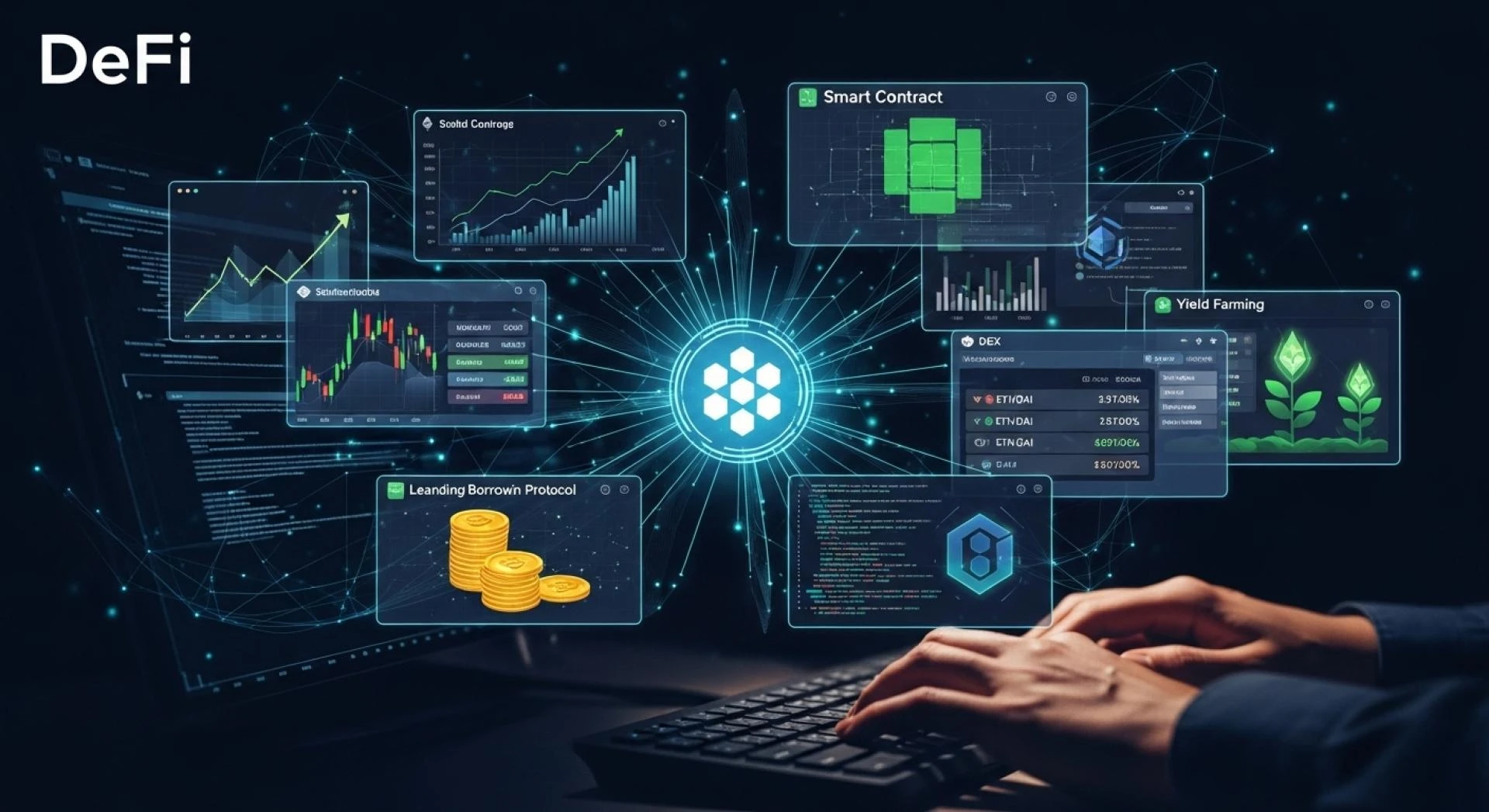

The rise of decentralized finance solutions has transformed the financial landscape, enabling seamless, permissionless transactions and democratizing access to financial services. However, with innovation comes inherent risks, particularly in the DeFi ecosystem, where the absence of centralized oversight amplifies vulnerabilities. Security breaches, smart contract exploits, and protocol attacks can result in significant financial losses, undermining trust in the platform. Collaborating with a reliable decentralized finance development company ensures that best practices are followed at every stage, from smart contract design to user interaction, helping platforms remain robust, reliable, and resilient.
Smart Contract Security
Smart contracts form the foundation of any DeFi platform, executing predefined rules and transactions automatically. Their immutability and decentralized execution make them extremely powerful, but also particularly susceptible to bugs and exploits. Any vulnerability in smart contract code can be exploited to drain funds, manipulate transactions, or compromise the platform’s integrity. A decentralized finance development company can implement robust coding standards, conduct rigorous audits, and use formal verification to safeguard smart contracts, ensuring decentralized finance solutions operate securely and efficiently.
- Rigorous Code Audits: Conduct thorough audits by professional blockchain security firms to identify vulnerabilities and potential attack vectors. Audits provide a second layer of verification to ensure contracts behave as intended.
- Formal Verification: Employ formal verification techniques to mathematically prove that smart contracts function according to their specifications. This reduces the risk of logic errors and unforeseen vulnerabilities.
- Upgradable Contracts with Caution: Implement upgrade mechanisms carefully to allow improvements or patches without compromising contract integrity. Improper upgrade designs can introduce new vulnerabilities.
- Use of Standardized Libraries: Utilize well-tested libraries and frameworks for common functions instead of custom implementations. Standardized components reduce coding errors and enhance reliability.
Decentralized Governance and Access Control
Decentralized governance and access control play a crucial role in maintaining the balance between platform security and operational flexibility. Properly designed governance frameworks ensure that decisions affecting the protocol, including upgrades or fund allocations, are transparent and collectively approved. At the same time, access control mechanisms limit the ability of malicious actors or negligent insiders to compromise the platform. Partnering with a decentralized finance development company ensures that governance structures and role-based permissions are implemented with industry best practices, creating trust and stability in the platform.
- Role-Based Permissions: Define clear roles and responsibilities for administrators, developers, and other stakeholders. Limiting access reduces the risk of internal exploits or accidental mishandling.
- Decentralized Governance Protocols: Integrate governance mechanisms that allow token holders to participate in decision-making, ensuring that protocol changes are transparent and collectively approved.
- Timelocks and Multi-Signature Approvals: Use time delays and multi-signature wallets for sensitive operations to prevent immediate, unilateral changes that could compromise security.
- Continuous Governance Monitoring: Regularly review and adjust governance parameters to align with evolving platform needs and emerging threats.
Network and Infrastructure Security
The underlying network and infrastructure of a DeFi platform must be robust enough to withstand external attacks and ensure uninterrupted service. Weak points in nodes, servers, or network protocols can be exploited to disrupt operations, steal funds, or compromise sensitive data. A trusted decentralized finance development company can help design a secure, distributed architecture with continuous monitoring, timely patching, and encrypted communication channels. Protecting the technical backbone of decentralized finance solutions ensures resilience, uninterrupted service, and secure transactions for all users.
- Node Security and Monitoring: Secure all blockchain nodes with firewalls, intrusion detection, and continuous monitoring to detect suspicious activity promptly.
- Distributed Architecture: Utilize a distributed network setup to prevent single points of failure and enhance system resilience against DDoS attacks.
- Regular Security Patches: Keep all infrastructure components up-to-date with the latest security patches and best practices to minimize exposure to known vulnerabilities.
- Encrypted Communication Channels: Implement end-to-end encryption for all network communications, ensuring that sensitive information cannot be intercepted during transactions.
User Data and Wallet Security
User funds and sensitive data are central to the trustworthiness of decentralized finance solutions. Protecting these assets requires a combination of technical safeguards and user education. Wallets, private keys, and authentication mechanisms must be managed securely to prevent unauthorized access or loss. A decentralized finance development company can provide secure wallet integrations, private key management protocols, and encrypted data storage, minimizing user risk and enhancing confidence in the platform’s security and usability.
- Secure Wallet Integrations: Ensure wallets connected to the platform follow best security practices, including secure key management and protection against phishing attacks.
- Two-Factor Authentication (2FA): Encourage or enforce 2FA for user accounts to add an extra layer of protection against unauthorized access.
- Private Key Safety Education: Provide clear guidance to users on safely managing private keys, emphasizing that loss of keys results in permanent loss of access to funds.
- Data Encryption: Encrypt sensitive user data, such as transaction histories and personal information, to prevent unauthorized access and potential misuse.
Secure Liquidity Management
Liquidity is the lifeblood of any DeFi platform, enabling users to trade, lend, or borrow assets. However, poorly managed liquidity pools can be exploited for financial gain, putting the platform at risk. Implementing robust liquidity management practices, such as automated monitoring, diversification, and withdrawal controls, helps maintain stability and prevents large-scale manipulations. Experienced developers at a decentralized finance development company can implement these practices to secure liquidity pools, safeguard user funds, and maintain smooth operational functionality.
- Automated Risk Controls: Implement mechanisms to automatically detect and mitigate unusual liquidity movements that could signal exploits or manipulations.
- Diversified Asset Pools: Avoid concentration of assets in a single pool, reducing exposure to market shocks or targeted attacks.
- Audit of Third-Party Integrations: Verify any third-party protocols or oracles interacting with liquidity pools to ensure they meet security standards.
- Withdrawal Limits: Set withdrawal thresholds and cooldown periods to prevent sudden large-scale fund drains.
Oracle and External Data Security
Oracles connect blockchain platforms to real-world data, but if compromised, they can cause inaccurate transactions or financial loss. Securing oracles through redundancy, trusted providers, and cryptographic verification is crucial. A professional decentralized finance development company can design and implement secure oracle integrations, ensuring data integrity and consistency. This helps DeFi platforms maintain reliable and accurate execution of decentralized finance solutions while preventing manipulation, errors, or exploitation from faulty external data sources.
- Trusted Oracle Providers: Use reliable, vetted Oracle services to ensure accurate and timely data inputs for smart contracts.
- Data Redundancy: Implement multiple Oracle sources to avoid dependency on a single data provider.
- Tamper-Proof Mechanisms: Integrate cryptographic verification to prevent data manipulation during transmission.
- Continuous Monitoring: Track Oracle performance and integrity in real time to detect anomalies or discrepancies early.
Continuous Monitoring and Incident Response
Even with robust systems, new threats can emerge in the DeFi ecosystem. Continuous monitoring and a strong incident response strategy are essential. By implementing real-time tracking, bug bounty programs, and structured response plans, a decentralized finance development company can help platforms mitigate risks efficiently. Proactive monitoring not only reduces financial loss but also strengthens the resilience and credibility of decentralized finance solutions, ensuring that potential vulnerabilities are addressed promptly and effectively.
- Real-Time Transaction Monitoring: Implement monitoring systems to detect suspicious activity, such as unusual fund movements or contract interactions, enabling quick intervention.
- Bug Bounty Programs: Engage the community through bug bounty initiatives to discover vulnerabilities before they are exploited by malicious actors.
- Incident Response Plans: Develop and regularly update comprehensive incident response plans to address potential breaches efficiently and minimize impact.
- Regular Security Assessments: Conduct periodic security reviews and penetration testing to identify weaknesses and improve defenses proactively.
Compliance and Regulatory Alignment
Although DeFi emphasizes decentralization, regulatory compliance is vital for sustainability and legal protection. Integrating anti-money laundering (AML), know-your-customer (KYC) practices, and transparent reporting is essential. Working with a decentralized finance development company ensures that platforms align with current regulations, navigate cross-border challenges, and maintain transparency. Compliance not only safeguards the platform against legal risks but also enhances credibility, fostering user trust and enabling secure, long-term operations in decentralized finance solutions.
- AML/KYC Integration: Implement anti-money laundering and know-your-customer procedures where applicable to ensure compliance with local laws.
- Regular Legal Audits: Consult legal experts periodically to align platform operations with current financial regulations.
- Transparent Reporting: Provide clear, transparent reporting on platform operations to build user trust and regulatory confidence.
- Cross-Border Considerations: Address jurisdictional differences in blockchain regulations to avoid potential legal pitfalls during global operations.
Conclusion
Building secure decentralized finance solutions requires meticulous attention to smart contracts, governance, infrastructure, liquidity, oracles, and regulatory compliance. Partnering with a decentralized finance development company ensures that these security measures are implemented effectively, safeguarding user assets and creating a resilient financial ecosystem. Prioritizing security and compliance at every stage reinforces the foundation for long-term growth, adoption, and trust in decentralized finance solutions.


























Sign in to leave a comment.