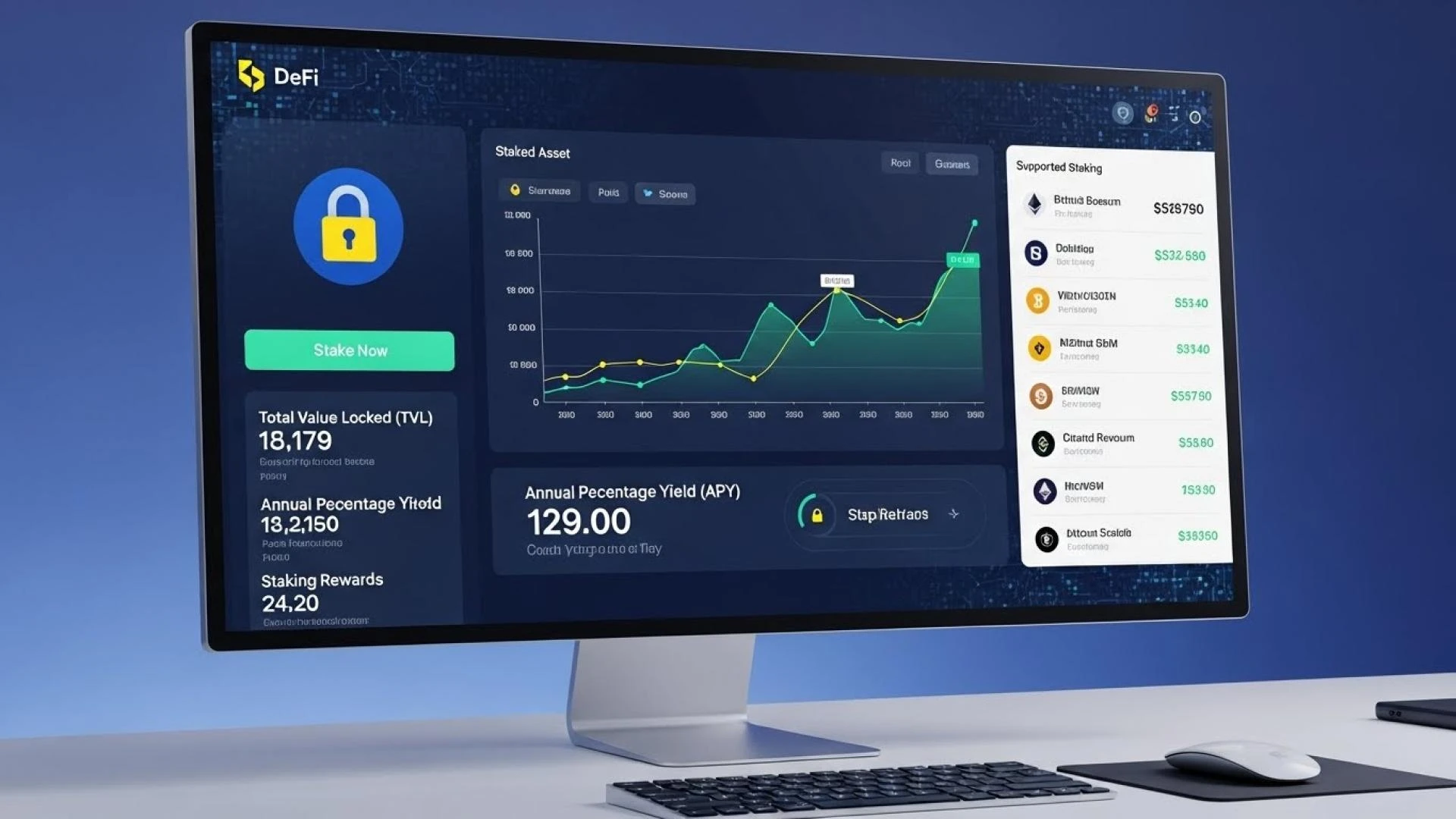

Selecting the right DeFi staking platform has become one of the most important decisions for investors aiming to generate consistent passive income from digital assets. As staking opportunities expand across blockchains, the differences in security, rewards, governance, liquidity, and overall usability become increasingly significant. A dependable platform does more than offer yield; it preserves long-term value, protects assets, and supports a sustainable ecosystem. This blog presents a clear, structured checklist that helps investors evaluate platforms effectively and identify options that balance growth potential, safety, and practicality, especially within modern DeFi Staking Platform Development strategies.
Assess the Platform’s Security Framework
Security forms the backbone of every successful staking experience, making it the first and most essential factor to evaluate. Investors should understand that staking involves locking digital assets into smart contracts, which means vulnerabilities, coding errors, or malicious activity can have irreversible consequences. A trustworthy platform demonstrates strong protection measures, professional audits, and transparent security practices that show a commitment to safeguarding user funds. By examining a platform's architecture and its response to previous incidents, investors gain clarity on how well it handles risk and ensures the stability required for long-term engagement.
- Review independent security audits: External audits from recognized firms highlight vulnerabilities, identify improvements, and validate that smart contracts function as intended. Platforms that consistently maintain updated audits show dedication to strengthening their infrastructure and protecting user funds.
- Examine smart contract structures and upgrade policies: Well-documented contracts allow users to understand how funds move within the protocol. Upgrade policies should include protective measures that prevent unauthorized changes, ensuring the platform cannot suddenly alter staking rules without community awareness.
- Check historical security incidents: Reviewing past exploits or issues helps measure how the platform responds under pressure. Quick communication, transparent reports, and permanent fixes demonstrate the presence of a capable development and security team.
- Evaluate insurance and risk-mitigation tools: Some platforms integrate decentralized insurance protection to reduce risk in extreme cases. Although optional, these tools reflect the project’s focus on providing users with additional layers of safety.
Analyze the Staking Rewards Structure
Staking rewards represent one of the strongest incentives for participating in decentralized finance, but not every reward model is designed with sustainability in mind. It is essential to explore how rewards are generated, distributed, and maintained, as platforms with poorly designed tokenomics may offer attractive rates but fail to support long-term value. A careful assessment ensures your staking efforts result in meaningful returns rather than short-term inflation. Understanding yield mechanics, lock-in rules, and compounding opportunities allows investors to align their strategies with realistic outcomes and avoid platforms built on unstable economic foundations.
- Verify the sustainability of APY/APR values: High yields may look appealing, but can indicate excessive token emissions. Sustainable rewards come from transaction fees, real protocol revenue, or ecosystem activity, giving users more reliable long-term earning potential.
- Understand lock-up rules and withdrawal conditions: Staking terms vary across protocols and can significantly impact liquidity. While long lock-ups may lead to higher returns, they limit flexibility, making it important to choose a structure that aligns with your financial strategy.
- Assess compounding mechanisms and reward frequency: Frequent reward payouts allow for compounding, which boosts overall returns. However, the distribution schedule must be backed by a stable token supply and transparent tokenomics to avoid unnecessary inflation.
- Consider token utility and long-term value potential: Rewards hold value only when the token itself maintains relevance. Tokens backed by strong ecosystems, clear use cases, and active development typically support more predictable growth.
Evaluate Liquidity and Asset Flexibility
Liquidity determines how easily investors can move their assets without financial loss or long delays. A strong liquidity profile ensures a smooth staking experience, especially during market changes when fast access to funds may be critical. Platforms offering multiple staking options, support for liquid staking tokens, and fair exit rules empower users to navigate opportunities across decentralized systems. Evaluating liquidity depth, withdrawal times, and staking structures helps investors maintain control over their holdings while participating in long-term strategies supported by ongoing DeFi Staking Platform Development progress.
- Look for flexible and non-custodial staking options: Non-custodial platforms allow users to retain control of their private keys, reducing reliance on centralized entities. Flexible staking ensures users can access their funds without extended waiting periods.
- Analyze liquidity pool depth and market activity: High liquidity levels contribute to stable returns and reduced slippage. A strong user base and active trading volume typically reflect healthy platform engagement.
- Check the availability of liquid staking derivatives: Liquid staking tokens represent staked positions while enabling participation in additional DeFi opportunities. This feature enhances capital efficiency and expands investment potential.
- Evaluate exit penalties or early withdrawal fees: Transparent fee structures ensure users fully understand the cost of unstacking assets early. Fair and predictable fees contribute to a more flexible staking environment.
Research the Platform’s Reputation and Governance Model
A platform’s reputation significantly influences the level of trust investors can place in its long-term stability. Governance models also play a vital role, shaping how decisions are made and how much influence users have over changes that affect their investments. A transparent, active development team combined with a strong community creates an environment where users feel informed and involved. Reputation reflects the consistency, communication, and overall credibility of a project, making it essential to review a platform’s history, leadership, and the participation it receives from its user base.
- Study the development team and community presence: A strong developer team indicates sustained project growth and responsiveness. Active community participation helps identify issues early and contributes to the platform’s credibility.
- Evaluate governance token utility and voting access: Governance tokens give users influence over important decisions, ensuring the platform evolves with community needs. The fairness and transparency of voting options reflect how much power users genuinely hold.
- Review the platform’s roadmap and transparency history: Clear roadmaps and open communication demonstrate commitment to long-term improvement. Platforms that regularly publish updates earn greater investor confidence.
- Check partnerships, integrations, and ecosystem connections: Collaborations with other reputable projects expand platform capabilities. Such partnerships signal legitimacy and provide more opportunities for user engagement.
Analyze User Experience and Technical Reliability
User experience often determines whether investors feel confident navigating a staking platform. Technical reliability ensures that staked assets, transactions, and reward claims function smoothly without interruptions. A platform designed with clarity and convenience in mind lowers the likelihood of mistakes and encourages consistent participation. When evaluating user experience, investors should consider interface design, performance stability, wallet compatibility, and overall accessibility. A user-friendly experience signals that the development team prioritizes efficiency, ease of use, and long-term engagement.
- Evaluate interface clarity and navigation flow: Clear dashboards and organized menus make it easier to compare staking options, track rewards, and manage assets. This structure reduces confusion for both new and experienced users.
- Review transaction speed and system reliability: Fast confirmations and stable system performance contribute to a dependable staking environment. Reliable platforms function smoothly even during high network activity.
- Check wallet compatibility and integration features: Support for widely used wallets, including hardware devices, enhances convenience and security. Integration remains an essential part of the modern staking experience.
- Assess educational resources and support channels: Platforms offering tutorials, documentation, and responsive support empower users with knowledge. Comprehensive resources help prevent errors and boost confidence.
Compare Fees and Overall Cost Efficiency
Fees significantly impact the net rewards earned from staking, making it important to understand how each platform structures its costs. Some protocols maintain simple, predictable fees, while others may apply charges at multiple stages of the staking process. Evaluating the total cost, including validator fees, service charges, and gas expenses, enables investors to accurately compare earning potential across different platforms. Cost efficiency plays a meaningful role in long-term staking strategies, especially when returns depend on consistent compounding and stable yield patterns.
- Review transaction fees, validator charges, and service costs: Transparent cost structures enable investors to calculate earnings more accurately. Hidden fees can erode returns over time.
- Examine gas costs on the blockchain network
- Networks with higher gas fees can reduce profitability, especially during busy periods. Some staking platforms optimize operations to minimize these expenses.
- Compare the fee-to-reward ratio with competitors
- Small fee differences can significantly impact long-term results. Evaluating this ratio helps identify the most cost-effective platforms.
- Consider fee discounts or loyalty reward features
- Some platforms offer discounts based on user participation or token holdings. These rewards can increase overall returns while building user loyalty.
Explore Platform Innovation and Future Growth Potential
Innovation ensures that a staking platform remains relevant as technology, user expectations, and blockchain networks evolve. Platforms investing in research, advanced features, cross-chain support, and economic design improvements tend to provide better long-term opportunities. Evaluating innovation helps identify which platforms are prepared to adapt and grow, especially as competition expands. Growth potential also indicates whether the platform contributes to the broader DeFi ecosystem, often shaped by ongoing advancements in DeFi Staking Platform Development across multiple networks and applications.
- Review plans for upgrading technology and infrastructure: Continuous improvements, such as scalable architecture and faster processing, demonstrate readiness for future demand. These upgrades help maintain performance as user activity increases.
- Assess the potential of expanding staking pairs and features: A platform offering a diverse selection of staking assets provides more choices and income opportunities. Expansion reflects strong development momentum.
- Check involvement in broader DeFi integrations: Integrations with lending, liquidity, or interoperability solutions make the platform more versatile. These collaborations support ecosystem growth.
- Evaluate competitive advantages and standout technologies: Unique features such as advanced security models or innovative tokenomics strengthen long-term visibility. These advancements often represent strong execution within DeFi Staking Platform Development frameworks.
Conclusion
Selecting the best DeFi staking platform requires careful consideration of security, reward structure, liquidity, governance, fees, usability, and innovation. With numerous choices available, using a structured checklist helps investors identify trustworthy platforms that offer a balanced mix of safety and profitability. Each factor plays a critical role in shaping long-term staking success and protecting capital. By taking a careful, informed approach, investors can confidently participate in digital asset growth and benefit from ongoing progress driven by modern DeFi Staking Platform Development practices across the decentralized finance ecosystem.






















Sign in to leave a comment.