

The field of data analytics continues to evolve rapidly, and staying competitive means mastering the right tools. Whether you’re just starting out or looking to sharpen your skills, understanding the core technologies used across industries can significantly boost your confidence and job readiness. In 2026, aspiring analysts are expected to combine technical expertise with practical problem-solving using modern analytics platforms.
Below are the essential tools every aspiring analyst should know to build a strong foundation.
1. Excel — The Evergreen Analytics Tool
Despite the rise of advanced platforms, Excel remains one of the most widely used tools in analytics. From data cleaning and pivot tables to basic visualization and financial modeling, Excel is often the starting point for analysis. Many organizations still rely on it for quick insights and reporting, making it a must-have skill for beginners.
2. SQL — The Backbone of Data Querying
Structured Query Language (SQL) is essential for working with databases. Analysts use SQL to extract, filter, and manipulate large datasets stored in relational databases. Knowing how to write efficient queries helps you access the exact data needed for analysis and reporting, which is a core responsibility in most analytics roles.
3. Python — Powering Advanced Analytics
Python continues to dominate as a preferred programming language for data analysis due to its simplicity and powerful libraries. Tools like Pandas, NumPy, and Matplotlib allow analysts to perform data manipulation, statistical analysis, and visualization efficiently. Learning Python opens doors to automation and more advanced analytics capabilities.
4. Data Visualization Tools
Being able to communicate insights clearly is just as important as analyzing data. Visualization tools help transform complex datasets into interactive dashboards and reports that stakeholders can easily understand. Learning at least one visualization platform helps you present findings effectively and support data-driven decision-making.
5. Business Intelligence Platforms
Modern organizations rely heavily on BI platforms for real-time reporting and performance tracking. These tools allow analysts to connect multiple data sources, build dashboards, and monitor key metrics. Understanding how BI tools work will make you more valuable in data-driven environments.
6. Version Control Systems
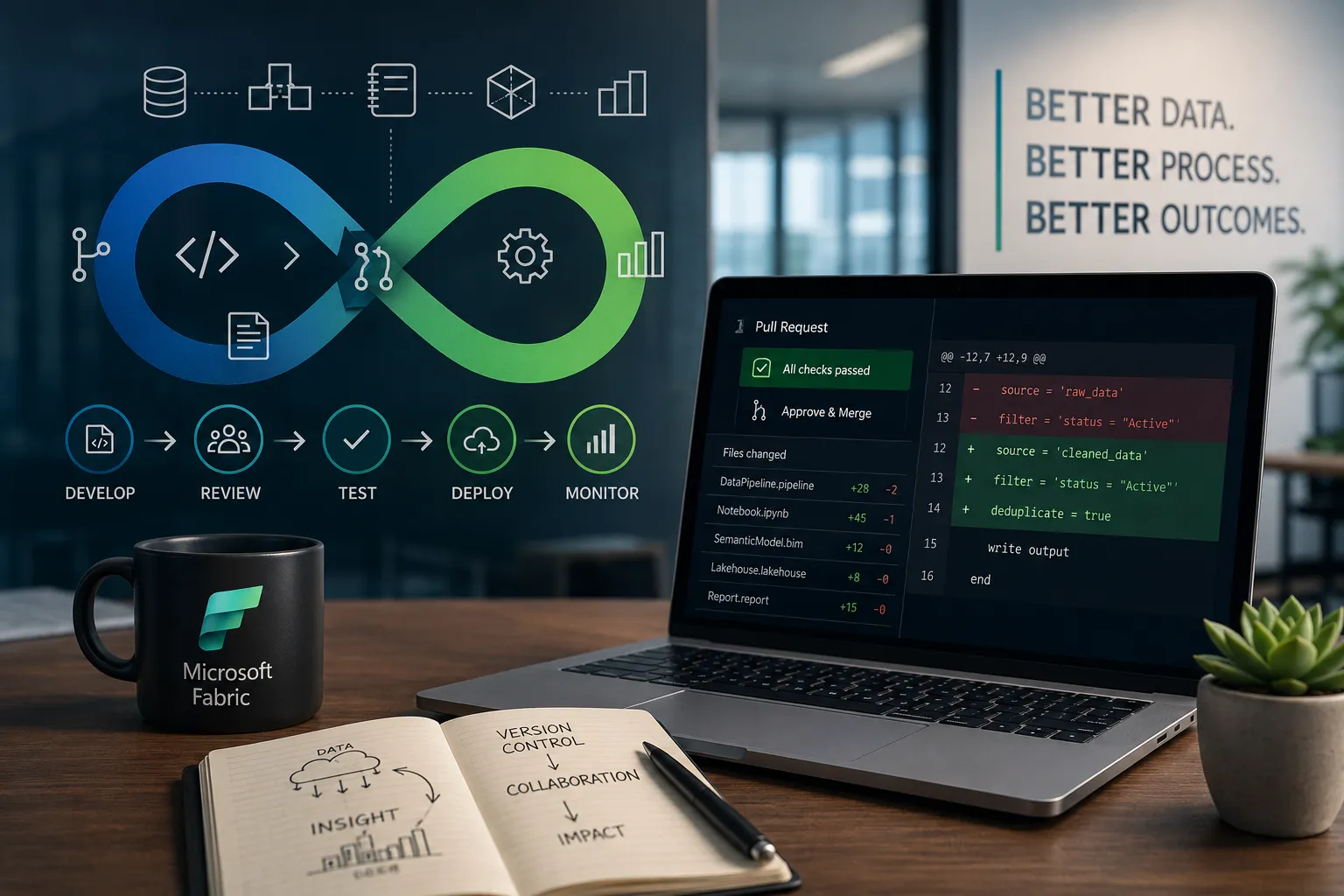
As analytics projects become more collaborative, version control tools help track changes, manage code, and collaborate efficiently with teams. Knowing the basics of version control shows professionalism and readiness to work in structured data teams.
The Role of Analytics Shiksha in Building Analyst Skills
For learners looking to build practical skills and understand industry expectations, Analytics Shiksha provides valuable guidance and learning resources. The platform focuses on helping aspiring professionals understand the skills, tools, and knowledge needed to grow in the analytics field. With structured learning paths, career insights, and practical guidance, Analytics Shiksha supports individuals aiming to build a strong foundation and succeed in the evolving analytics landscape.
Final Thoughts
Mastering the right tools is one of the most important steps toward becoming a successful analyst. While tools may evolve, the ability to work with data, extract insights, and communicate findings will always remain in demand. By focusing on these essential tools and continuously learning, aspiring analysts can stay ahead and build a future-ready skill set in 2026 and beyond.




























Sign in to leave a comment.