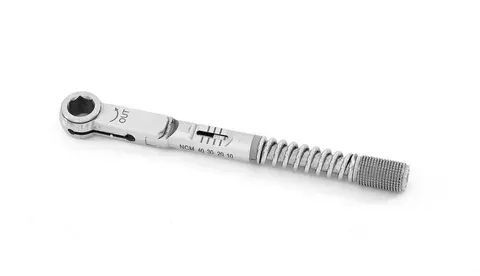

In the field of dental implantology, precision and accuracy are critical. One of the most essential tools that dental professionals rely on to achieve optimal results is the Torque Implant Wrench. This powerful instrument ensures that dental implants are securely placed with the right amount of torque, which is crucial for the long-term success of the implant.
In this article, we will explore everything you need to know about the Torque Implant Wrench, its importance in dental implant procedures, and why it should be an integral part of your Dental Kits. Additionally, we'll discuss how other tools like the Anti-Fog Mirror System for Dental Photography complement your practice and improve patient care.
What is a Torque Implant Wrench?
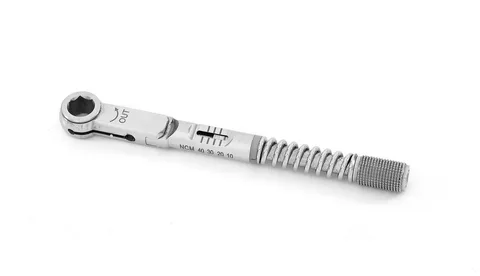
A Torque Implant Wrench is a dental tool used to apply a specific amount of rotational force (torque) when placing dental implants into the jawbone. Torque is a critical factor in dental implant procedures, as too little or too much force can affect the success of the implant.
The torque applied during the placement process helps to securely anchor the implant into the bone, promoting proper osseointegration (the process by which the implant fuses with the bone). Using a Torque Implant Wrench ensures that the implant is placed with the right amount of pressure, avoiding complications such as implant failure or damage to the bone.
Why is Torque Important in Dental Implants?
The proper torque during implant placement has several benefits, including:
- Optimal Osseointegration: The right amount of torque ensures the implant integrates properly with the bone, which is crucial for its stability.
- Prevents Overloading: Applying excessive torque can cause damage to the implant or surrounding bone. A torque wrench helps control the force to avoid such damage.
- Enhanced Implant Success: Accurate torque application contributes to better implant success rates and reduces the risk of failure.
Types of Torque Implant Wrenches
There are various types of Torque Implant Wrenches available, each designed to cater to different implant systems and techniques. The main types include:
- Manual Torque Wrench: These wrenches require manual operation and are typically used in combination with ratchets or other mechanical devices to provide the desired torque.
- Electronic Torque Wrench: These are advanced, digital devices that allow for precise torque control. Many electronic wrenches come with a built-in display to show the exact amount of force being applied.
- Pneumatic Torque Wrench: This type uses air pressure to deliver the torque, offering high efficiency and speed for implant placement.
Key Benefits of the Torque Implant Wrench
Incorporating a Torque Implant Wrench into your Dental Kits offers several key advantages:
- Improved Precision: Using a torque wrench ensures that the right amount of pressure is applied, leading to better results.
- Enhanced Patient Safety: Proper torque application minimizes the risk of complications, improving patient outcomes.
- Long-Term Durability: When implants are placed correctly, they are more likely to last longer, reducing the need for future procedures.
The Role of Anti-Fog Mirror Systems in Dental Photography
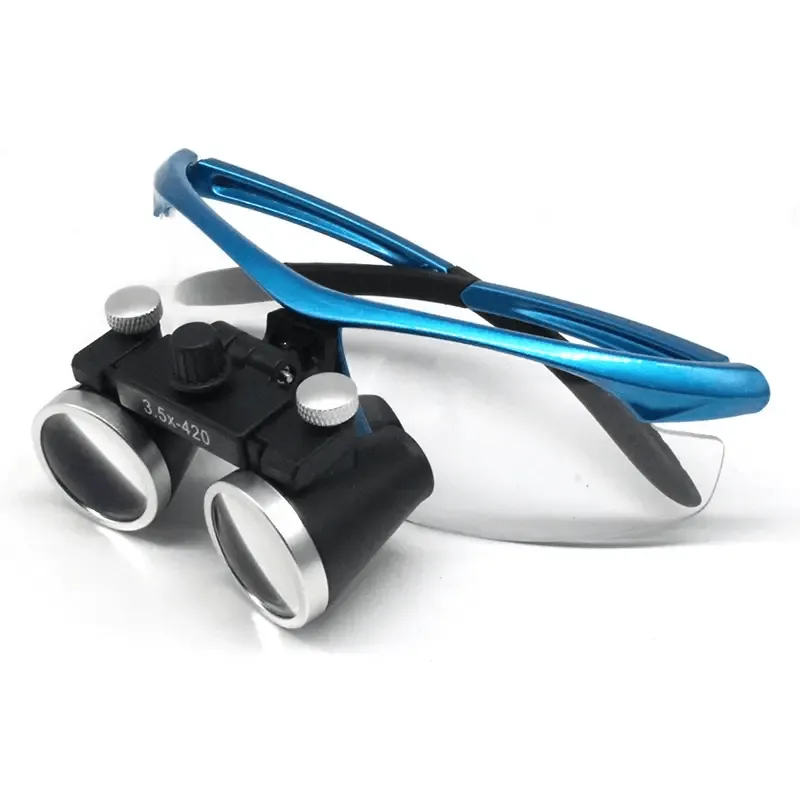
While the Torque Implant Wrench plays a crucial role in implant placement, other dental tools, such as the Anti-Fog Mirror System for Dental Photography, can also significantly enhance patient care. The Anti-Fog Mirror System is particularly important for capturing clear, high-quality images during dental procedures.
Why Anti-Fog Mirrors Matter
In dental photography, capturing clear and accurate images of the patient's teeth and gums is essential for both diagnosis and treatment planning. However, one of the biggest challenges during dental procedures is fogging on mirrors due to moisture from the patient's mouth or from the dental procedure itself.
An Anti-Fog Mirror System is designed to prevent fogging, ensuring that dental professionals can capture sharp and distortion-free images. This is especially useful in procedures where close-up shots of the oral cavity are necessary.
Benefits of Anti-Fog Mirror Systems for Dental Photography
- Clear Images: Anti-fog mirrors ensure that your images are sharp and free from fogging, which is crucial for accurate diagnostics and treatment planning.
- Improved Workflow: With less time spent cleaning fogged mirrors, you can focus on your patients and streamline your dental procedures.
- Enhanced Patient Comfort: Preventing fogging allows for quicker and more efficient photography, which improves the overall patient experience.
How to Choose the Right Torque Implant Wrench for Your Practice
When selecting a Torque Implant Wrench for your practice, it's essential to consider factors such as:
- Torque Range: Choose a wrench that offers a wide range of torque settings to accommodate different types of implants and procedures.
- Compatibility: Ensure the wrench is compatible with the implant systems you use in your practice.
- Ease of Use: Look for a wrench that is comfortable to handle and easy to operate, reducing the risk of fatigue or errors.
- Precision: Choose a high-quality torque wrench that provides accurate torque measurements to ensure optimal implant placement.
Cost and Pricing Factors for Dental Torque Wrenches
The cost of a Torque Implant Wrench can vary depending on the type, brand, and features. Here’s a general idea of what to expect:
- Manual Torque Wrenches: These are the most affordable option, typically priced between $100 and $500, depending on the quality and brand.
- Electronic Torque Wrenches: These advanced devices can range from $500 to $2,000, offering more precise control and digital displays.
- Pneumatic Torque Wrenches: High-end pneumatic torque wrenches can cost anywhere from $1,000 to $3,000, providing fast and efficient torque application.
Investing in a high-quality Torque Implant Wrench can ultimately improve the quality of your implant procedures, ensuring better patient outcomes and reducing the likelihood of implant failure.
Common Mistakes to Avoid with Torque Implant Wrenches
- Using the Incorrect Torque: Always ensure you're applying the correct torque as recommended by the implant manufacturer to avoid complications.
- Neglecting Calibration: Regularly calibrate your torque wrench to ensure accuracy. A miscalibrated wrench can lead to improper torque application.
- Ignoring Compatibility: Not all torque wrenches are compatible with every implant system. Always check that your wrench works with the specific system you're using.
Pro Tips for Using Torque Implant Wrenches
- Regularly Maintain Your Wrench: Clean and inspect your torque wrench after each use to ensure it remains in optimal working condition.
- Follow Manufacturer Recommendations: Adhere to the torque specifications provided by the implant manufacturer to avoid complications.
- Practice Consistent Technique: Ensure you use a consistent technique to apply torque, as variations in force can affect the success of the implant.
Conclusion: The Importance of the Right Tools in Implantology
In dental implantology, having the right tools at your disposal is crucial for achieving successful outcomes. The Torque Implant Wrench ensures precise torque application, improving implant stability and patient safety. Meanwhile, supplementary tools like the Anti-Fog Mirror System for Dental Photography can enhance your diagnostic and treatment capabilities, providing clear images for better decision-making.
By investing in high-quality dental tools and equipment, you can elevate your practice, improve patient care, and achieve long-term success with your dental implants.



























Sign in to leave a comment.