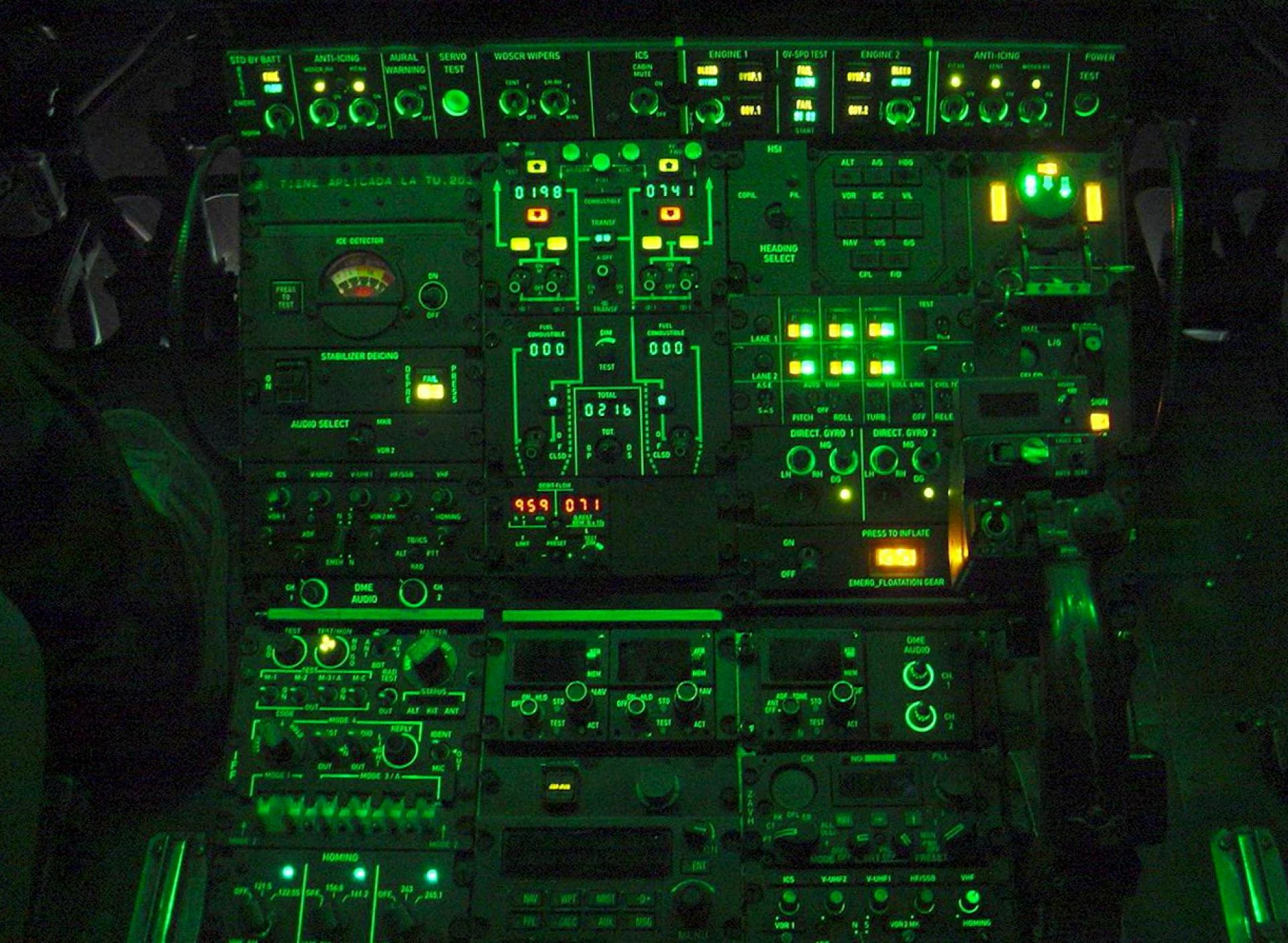

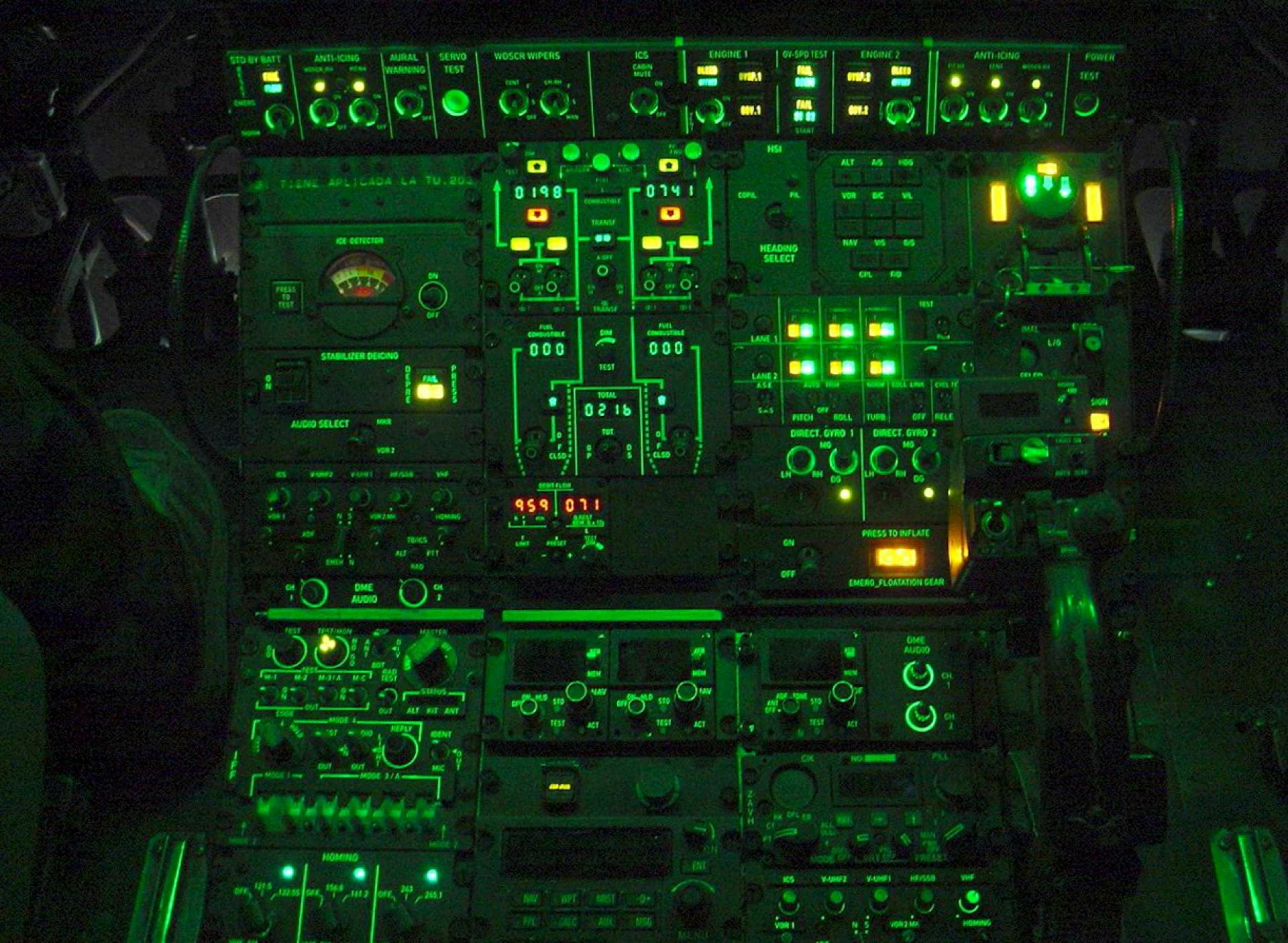
The aviation industry continues debating the optimal balance between touchscreen interfaces and traditional physical controls in modern cockpit display systems. This fundamental design decision impacts pilot training, operational safety, maintenance requirements, and system reliability across military and commercial platforms. Understanding the advantages and limitations of each approach is crucial for system integrators and platform manufacturers developing next-generation aircraft.
Touchscreen Interface Advantages in Cockpit Display Systems
Touchscreen cockpit display systems offer unparalleled flexibility through software-defined interfaces that adapt to mission requirements and operational phases. Modern glass cockpits utilize high-resolution displays capable of presenting complex information hierarchies, graphical system schematics, and interactive navigation charts through intuitive touch controls.
Cockpit display systems incorporating touchscreen technology reduce physical switch requirements, enabling more compact panel designs and weight savings critical for modern aircraft. Multi-function displays can present engine parameters during startup, navigation information during cruise, and weapons systems data during combat operations, all through the same physical interface.
Advanced touchscreen interfaces support gesture recognition, pinch-to-zoom functionality, and multi-touch interactions that parallel consumer device experiences. Pilots can manipulate flight plans, adjust system parameters, and access maintenance information through familiar interaction paradigms, potentially reducing training requirements and operational errors.
Touchscreen cockpit display systems also enable rapid reconfiguration for different aircraft variants or mission profiles. Software updates can introduce new capabilities, modify interface layouts, and incorporate lessons learned from operational experience without requiring physical hardware modifications.
Physical Interface Benefits and Reliability
Physical controls in cockpit display systems provide tactile feedback essential for operations in high-vibration environments or during high-G maneuvering. Pilots can locate and operate physical switches without visual confirmation, maintaining eyes-out flight operations during critical phases.
Traditional physical interfaces demonstrate exceptional reliability in extreme environmental conditions. Military cockpit display systems must function after exposure to electromagnetic pulses, extreme temperatures, and shock loads that could disable touchscreen interfaces. Physical switches and rotary controls maintain functionality even when displays fail or experience damage.
Cockpit display systems utilizing physical controls offer immediate access to critical functions without navigating through software menus. Emergency procedures benefit from dedicated switches that remain consistently positioned and provide positive tactile confirmation of activation.
Physical interfaces also eliminate concerns about inadvertent activation that can plague touchscreen systems. Turbulence, vibration, or unintentional contact cannot trigger unintended system changes when physical controls include guards, detents, or multi-step activation sequences.
Hybrid Approaches and Optimal Integration
Modern cockpit display systems increasingly adopt hybrid approaches combining touchscreen flexibility with physical controls for critical functions. This integration strategy leverages touchscreen advantages for information display and non-critical system management while maintaining physical controls for emergency procedures and frequently accessed functions.
Hybrid cockpit display systems often implement touchscreens for navigation, communication, and system monitoring while retaining physical controls for flight controls, engine management, and emergency systems. This approach balances operational flexibility with safety requirements.
Advanced hybrid interfaces incorporate haptic feedback technologies into touchscreen cockpit display systems, providing tactile confirmation of touch inputs. These systems can simulate the feel of physical buttons while maintaining touchscreen flexibility.
Environmental Considerations and Durability
Cockpit display systems must withstand extreme environmental conditions including temperature variations from -65°C to +85°C, humidity, vibration, and electromagnetic interference. Touchscreen interfaces require additional protective measures to maintain functionality across these conditions.
Modern touchscreen cockpit display systems incorporate projected capacitive technology, optical bonding, and anti-reflective coatings to maintain visibility and responsiveness in challenging conditions. However, these technologies add complexity and potential failure modes compared to simple physical switches.
Physical interfaces demonstrate superior longevity in harsh environments, with mechanical switches rated for millions of operations and minimal degradation over time. Touchscreen systems may experience degradation in touch sensitivity, display brightness, or color accuracy that affects operational capability.
Training and Human Factors Implications
Cockpit display systems design significantly impacts pilot training requirements and operational proficiency. Touchscreen interfaces may reduce initial training time due to intuitive operation but can increase cognitive workload during high-stress situations when pilots must visually locate virtual controls.
Physical controls support muscle memory development, enabling experienced pilots to operate systems automatically during emergencies or high-workload situations. Cockpit display systems with consistent physical interfaces allow pilots to maintain proficiency across different aircraft variants.
Future Technology Trends
Emerging technologies promise to bridge the gap between touchscreen flexibility and physical interface reliability. Force-sensitive touchscreens, ultrasonic haptic feedback, and gesture recognition systems may provide the benefits of both approaches while minimizing their respective limitations.
The evolution of cockpit display systems continues as manufacturers like Aeromaoz, a world-renowned provider of rugged mission-critical HMI solutions, develop innovative interfaces that combine touchscreen versatility with the reliability and tactile feedback essential for mission-critical aviation applications.























Sign in to leave a comment.