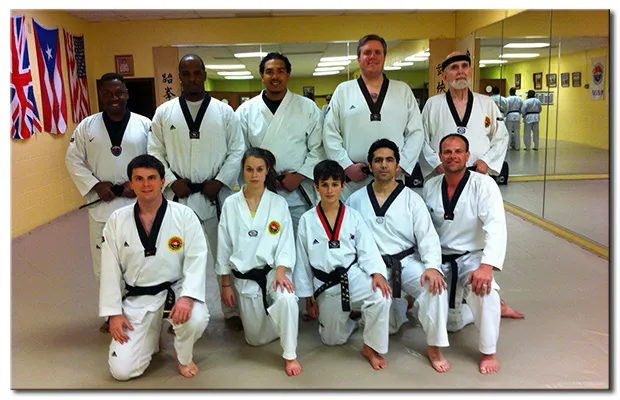
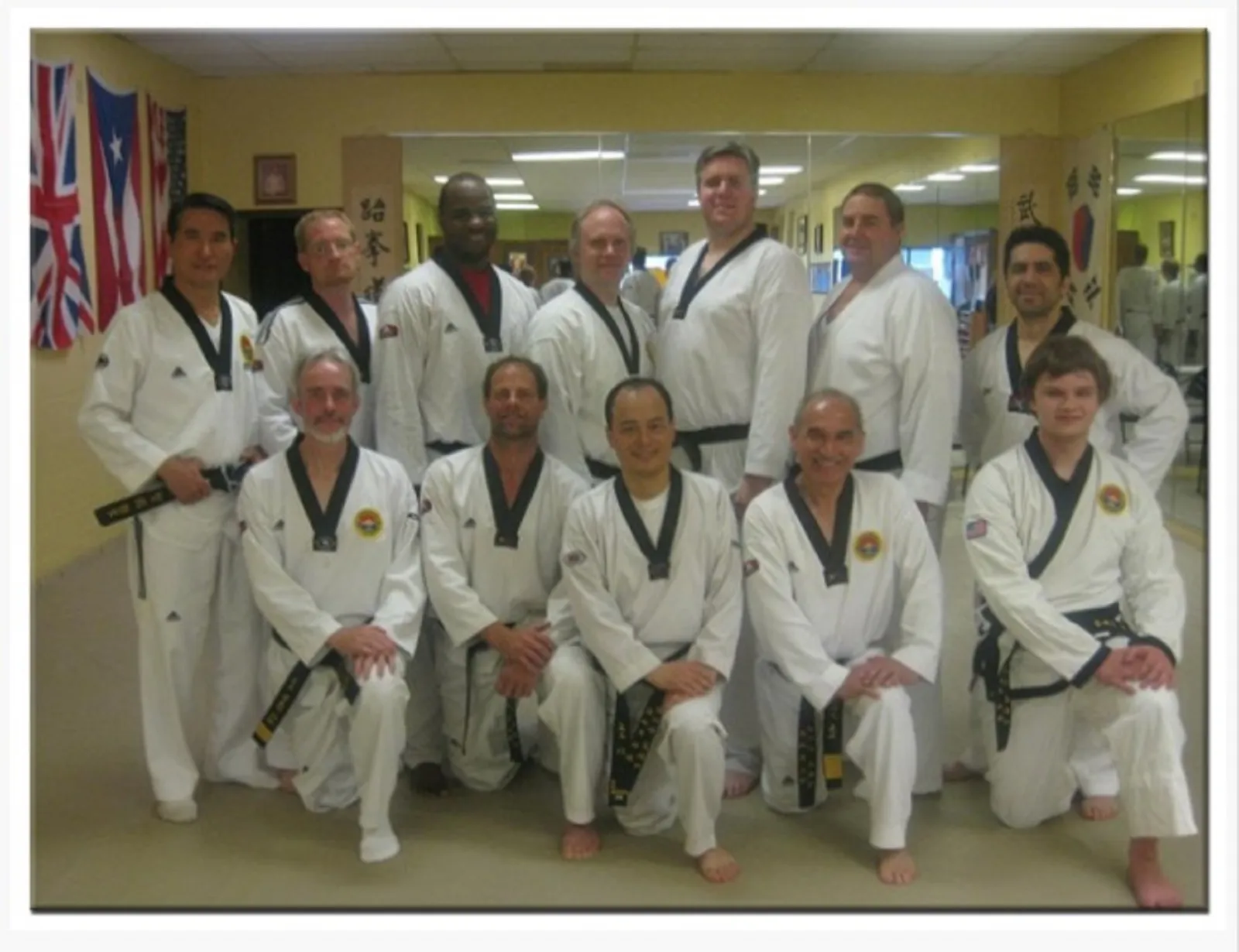
Taekwondo is one of the world's most widely practiced martial arts, recognized for its dynamic kicking techniques, disciplined training, and emphasis on personal development. While many modern programs focus on competition or fitness, a Traditional Taekwondo School places equal importance on character, respect, self-discipline, and the preservation of long-standing martial arts principles. For beginners and families exploring martial arts, understanding what distinguishes traditional training can help them choose a program that aligns with their goals.
This guide explains the philosophy, training methods, benefits, and expectations associated with traditional Taekwondo instruction while offering practical advice for new students.
What Is a Traditional Taekwondo School?
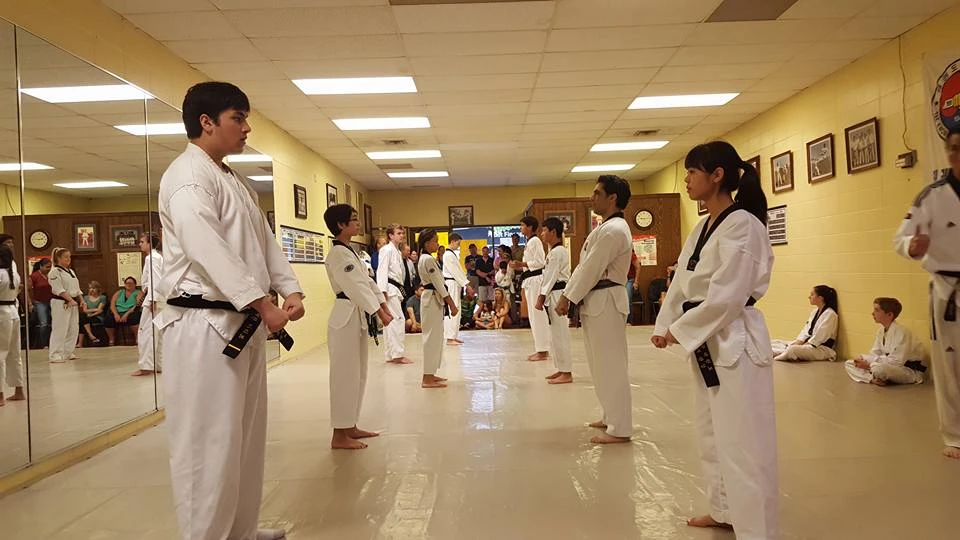
A Traditional Taekwondo School teaches martial arts by combining physical techniques with mental discipline and ethical values. Students learn not only kicks, punches, and defensive skills but also respect, perseverance, courtesy, integrity, and self-control.
Training generally follows a structured curriculum where students advance through belt ranks by demonstrating technical skills, knowledge, and personal growth.
Unlike programs focused solely on tournaments, traditional schools emphasize balanced development that supports lifelong learning.
Core Principles of Traditional Taekwondo
Traditional Taekwondo is built upon several guiding principles that influence both training and daily life.
Courtesy
Students are encouraged to respect instructors, training partners, parents, and fellow students.
Integrity
Honesty and ethical behavior are emphasized both inside and outside the training environment.
Perseverance
Consistent effort and determination help students overcome physical and mental challenges.
Self-Control
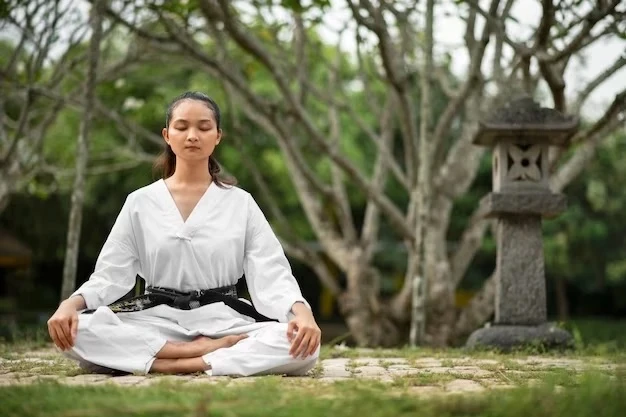
Learning to manage emotions and actions is considered an important part of martial arts education.
Indomitable Spirit
Students are encouraged to remain confident and resilient when facing obstacles.
These principles help shape martial arts into a lifelong practice rather than simply a physical activity.
What Students Learn During Training
Classes generally include several important components that develop both technical ability and physical fitness.
Basic Techniques
Students learn proper punching, blocking, kicking, and stance fundamentals.
Forms
Patterns of movement help improve coordination, balance, and technique while preserving traditional martial arts knowledge.
Sparring
Controlled practice develops timing, distance management, confidence, and defensive awareness.
Self-Defense
Students practice practical techniques for responding appropriately to common self-defense situations.
Physical Conditioning
Flexibility, endurance, coordination, strength, and balance are developed through regular training.
A Traditional Taekwondo School aims to create well-rounded martial artists by balancing technical instruction with personal development.
Benefits Beyond Physical Fitness
Taekwondo offers advantages that extend beyond exercise.
Students often develop:
- Improved concentration
- Greater self-confidence
- Better discipline
- Enhanced flexibility
- Stronger coordination
- Respect for others
- Goal-setting habits
- Increased resilience
Many families appreciate that martial arts training encourages positive behaviors that may transfer into school, work, and everyday life.
Comparison Table
| Feature | Traditional Taekwondo | Sport-Focused Programs |
|---|---|---|
| Philosophy | Strong emphasis | Moderate emphasis |
| Forms Training | Extensive | Moderate |
| Competition Focus | Optional | Primary emphasis |
| Character Development | Major priority | Included but less emphasized |
| Self-Defense | Strong focus | Varies |
| Belt Progression | Technique and character | Often performance-based |
Both approaches provide valuable experiences, but students should choose according to their personal goals.
Belt Ranking System
Traditional Taekwondo uses a structured belt progression to recognize improvement over time.
Early belts focus on:
- Basic techniques
- Proper stances
- Balance
- Discipline
- Fundamental forms
Advanced ranks introduce more complex combinations, sparring strategies, leadership responsibilities, and deeper understanding of martial arts philosophy.
Promotion typically requires consistent attendance, technical proficiency, and demonstration of respectful behavior.
Actionable Tips for New Students
Attend Classes Consistently
Regular practice supports gradual improvement.
Practice Fundamentals
Strong basic techniques build a solid foundation for advanced skills.
Listen Carefully
Pay close attention to instructor guidance during training.
Set Realistic Goals
Progress develops through patience and consistent effort.
Maintain Respect
Positive training etiquette contributes to a supportive learning environment.
These habits help beginners build confidence while developing lasting martial arts skills.
Featured Snippet
What is a Traditional Taekwondo School?
A Traditional Taekwondo School teaches martial arts through structured technical training combined with character development, discipline, respect, self-defense, and traditional martial arts values. Students learn physical techniques alongside important life skills that encourage personal growth.
Why Traditional Training Remains Popular
Many students choose traditional instruction because it balances physical exercise with meaningful personal development.
Rather than focusing only on athletic achievement, traditional programs encourage lifelong learning, continuous self-improvement, and mutual respect among students.
Families often value structured environments where children and adults learn responsibility, confidence, and positive habits alongside martial arts techniques.
People searching for a Traditional Taekwondo School frequently seek programs that support both physical and personal development.
Choosing the Right School
Selecting a martial arts school involves more than evaluating facilities.
Important considerations include:
Qualified Instruction
Experienced instructors provide safe, structured guidance.
Positive Learning Environment
Respectful interactions encourage long-term participation.
Clear Curriculum
Well-organized training helps students understand expectations.
Safety Standards
Proper supervision and appropriate protective equipment support safe practice.
Student Development
Programs should emphasize improvement rather than comparison.
Visiting classes and observing instruction often helps prospective students determine whether a school matches their expectations.

People Also Ask
What age can children start Taekwondo?
Many schools accept children beginning around four to six years old, although minimum ages vary.
Is traditional Taekwondo good for beginners?
Yes. Beginners typically start by learning basic techniques and gradually progress through structured instruction.
Does Taekwondo teach self-defense?
Yes. Traditional Taekwondo commonly includes practical self-defense concepts alongside technical training.
How long does it take to earn a black belt?
The timeline varies depending on attendance, curriculum, and school requirements but often takes several years.
Do adults benefit from Taekwondo?
Yes. Adults often improve flexibility, fitness, confidence, coordination, and stress management through regular practice.
Frequently Asked Questions
Do I need previous martial arts experience?
No. Most traditional schools welcome complete beginners.
What should I wear to my first class?
Many schools recommend comfortable athletic clothing until a uniform is obtained.
Is sparring required?
Requirements vary, but sparring is generally introduced gradually with appropriate supervision.
How often should beginners train?
Many beginners attend two or three classes each week to build consistent progress.
Can families train together?
Yes. Many traditional schools offer family-friendly programs suitable for different age groups.
Conclusion
Training in a Traditional Taekwondo School offers much more than learning martial arts techniques. Students develop discipline, confidence, respect, perseverance, and physical fitness while progressing through a structured curriculum designed for long-term personal growth. Those interested in exploring different historical lineages of Taekwondo may also encounter Chung Do Kwan Taekwondo, one of the influential schools that contributed to the development of modern Taekwondo.
#Traditional Taekwondo School, #Taekwondo Training, #Martial Arts, #Traditional Martial Arts, #Self-Defense, #Taekwondo Classes, #Martial Arts for Beginners, #Chung Do Kwan Taekwondo, #Discipline Training
Indianapolis Taekwondo
1744 E. 86th Street Indianapolis IN 46240
317-571-1400




























Sign in to leave a comment.