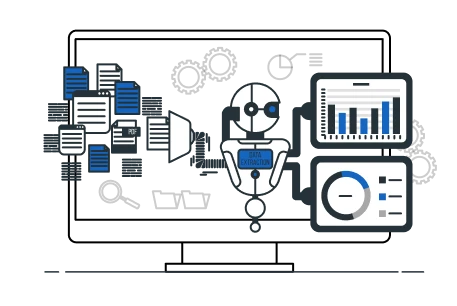

In today’s fast-paced business landscape, efficiency and agility are paramount. Companies are constantly searching for innovative solutions to reduce costs, enhance accuracy, and improve overall productivity. Robotic Process Automation (RPA) has emerged as a transformative technology that addresses these needs by automating repetitive tasks and streamlining workflows.
What is RPA?
RPA is a technology that uses software robots, or “bots,” to emulate and integrate human actions within digital systems. These bots can perform rule-based tasks such as data entry, processing transactions, triggering responses, and interacting with other digital systems. Unlike traditional automation, RPA doesn’t require extensive coding or integration into the IT landscape, making it a cost-effective and scalable solution.
How RPA Works
RPA operates by mimicking human interactions with software. Here’s how it works:
- Input Data: Bots receive structured data from various sources.
- Task Execution: They execute predefined workflows by interacting with applications such as Excel, ERP systems, or CRM tools.
- Output Delivery: The bots complete the tasks and deliver the processed results.
RPA solutions often come with drag-and-drop interfaces, making them accessible to non-technical users, or citizen developers.
Applications of RPA
RPA is widely used across industries to automate routine and repetitive tasks:
- Banking and Finance: Processing loan applications, reconciling accounts, and generating reports.
- Healthcare: Managing patient records, scheduling appointments, and handling insurance claims.
- Retail: Inventory management, order processing, and customer support.
- HR: Onboarding new employees, payroll processing, and performance reviews.
- IT Operations: Managing backups, system monitoring, and incident management.
Benefits of RPA
- Cost Savings: Reduces operational costs by automating high-volume tasks.
- Increased Accuracy: Eliminates human errors in repetitive tasks.
- Scalability: Allows businesses to scale operations without adding headcount.
- Employee Productivity: Frees up employees to focus on strategic, value-added activities.
- Improved Compliance: Ensures consistent adherence to regulatory standards.
Challenges in Implementing RPA
While RPA offers numerous benefits, implementing it can present challenges:
- Process Selection: Not all tasks are suitable for RPA.
- Change Management: Employee resistance to automation can hinder adoption.
- Integration Complexity: Legacy systems may pose integration challenges.
- Maintenance: Bots require ongoing updates and monitoring as processes evolve.
Future of RPA
The future of RPA is intertwined with advancements in Artificial Intelligence (AI) and Machine Learning (ML). Intelligent Process Automation (IPA) combines RPA with AI to handle unstructured data, make decisions, and learn from interactions. This evolution will enable RPA to move beyond repetitive tasks to more complex, cognitive workflows.
Conclusion
Robotic Process Automation is more than just a buzzword; it’s a business imperative for organizations aiming to stay competitive. By automating mundane tasks, companies can achieve significant cost savings, enhance accuracy, and empower their workforce to focus on strategic initiatives. As RPA continues to evolve, it will unlock new possibilities and redefine how businesses operate in the digital era.


























Sign in to leave a comment.