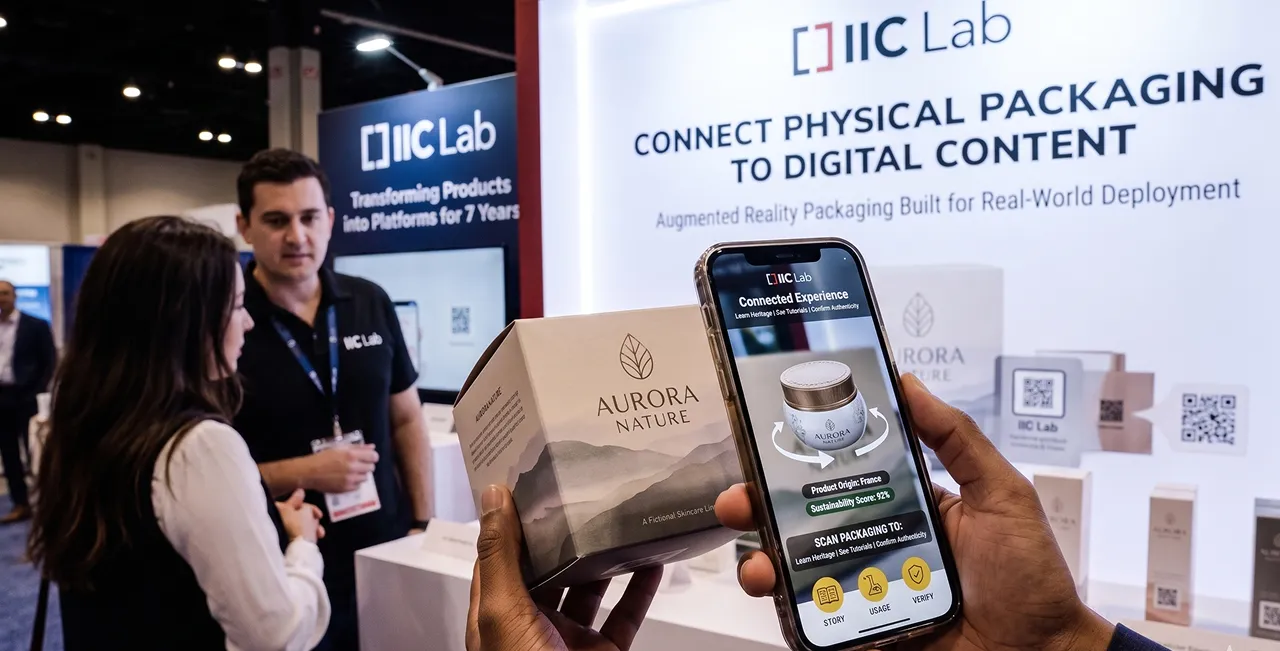

Let's be straightforward about what happens on retail shelves. Your product sits alongside competitors. You have packaging that worked hard to communicate value. And you have about two seconds to capture attention before eyes move to the next option.
This is where traditional packaging hits its limits. Static imagery. Fixed information. The approaches that communicated brand value ten years ago now feel passive in today's interactive retail environment.
But something changes when packaging becomes a portal to deeper brand experience. When customers can access rich content by scanning what they already hold. When physical products serve as gateways to digital engagement.
The Packaging Engagement Problem
The challenge isn't new. Brands across categories have struggled with packaging constraints — limited surface area, production costs, and the need to communicate both essential product information and brand story. The back of a box or a label can only contain so much content before it becomes cluttered and ineffective.
Traditional solutions fall short. Additional packaging inserts? Extended label content? These increase costs and often go unnoticed. QR codes that lead to basic websites? These create friction and rarely deliver experiences worth the effort.
What Augmented Reality Packaging Actually Enables
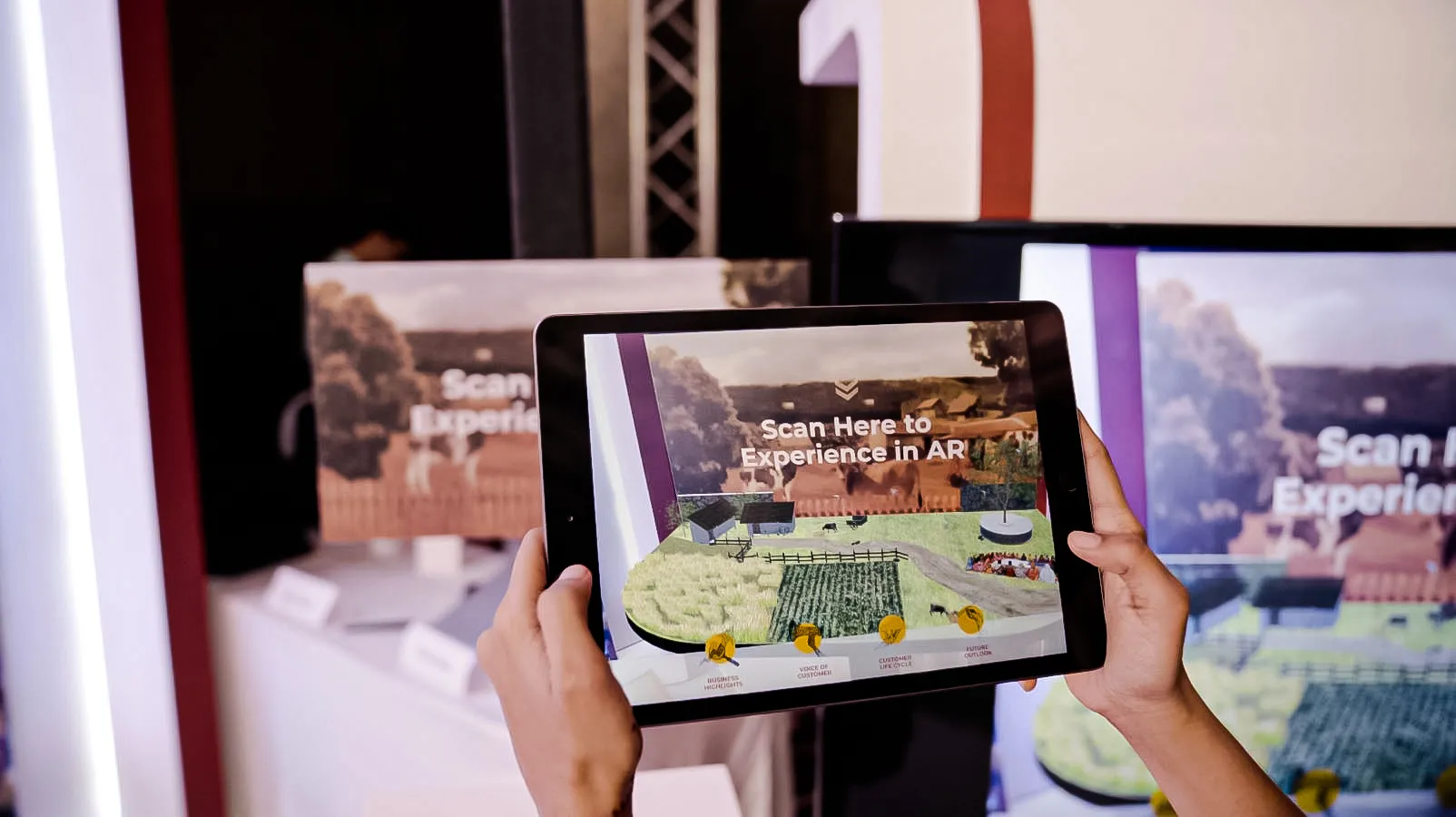
AR-enhanced packaging solves a specific retail challenge: it decouples information depth from physical packaging constraints. Instead of cramming more content onto packaging, you make packaging a gateway to unlimited digital content.
For brands implementing AR packaging solutions, this means creating experiences that activate through the physical product:
- Product storytelling that extends beyond physical packaging constraints. Brand heritage, product origins, sustainability initiatives — content that enriches the product experience without cluttering packaging design
- Usage guidance through interactive tutorials and demonstrations. Instead of text-heavy instructions, customers access visual guides that show exactly how to use products effectively
- Authenticity verification that protects against counterfeiting while building trust. AR experiences can confirm product authenticity while delivering brand content
- Personalized content delivery that adapts to customer preferences and engagement patterns. The same packaging can deliver different experiences based on user interaction
The business case is practical. When packaging becomes interactive, customers engage longer with your brand. When they access useful content through products they've purchased, satisfaction increases. When physical products connect to digital experiences, you build ongoing relationships rather than one-time transactions.
Engineering Packaging AR That Works in Real Retail Environments
Let's discuss what actually goes into creating AR packaging that functions reliably in real-world retail settings. This isn't about adding basic QR codes that lead to generic landing pages.
Effective augmented reality packaging implementation requires:
- Image recognition technology that works consistently with packaging designs and printing variations. Real-world packaging has production tolerances — recognition systems need to handle them
- Lighting-agnostic tracking that functions across retail environments, from brightly lit supermarkets to dimly lit specialty stores. Customers will scan products everywhere — technology needs to perform everywhere
- Cross-platform AR delivery that works on both iOS and Android devices without requiring app downloads. Friction kills engagement — AR experiences need to launch instantly through device cameras
- Content scalability that allows brands to update digital content without changing physical packaging. Print once, update indefinitely — the packaging becomes a permanent platform for evolving brand content
The technical foundation is critical, but the user experience determines success. Scanning needs to feel intuitive. Content loading needs to be fast. The experience needs to add genuine value, not just novelty.
What AR Packaging Actually Delivers
The results extend beyond basic engagement metrics:
- Extended dwell time with packaging and brand content — customers spend meaningful time engaging with AR experiences rather than just glancing at packaging
- Higher content comprehension rates — visual and interactive information communicates more effectively than text-heavy packaging alone
- Increased purchase confidence — access to detailed product information, usage guidance, and authenticity verification reduces purchase hesitation
- Ongoing customer engagement — AR packaging creates touchpoints that continue after purchase, turning products into platforms for continued brand interaction
This is what augmented reality development services look like when applied to packaging challenges. Not gimmicks that entertain briefly, but strategic tools that extend packaging capabilities and deepen customer relationships.
The Reality of Retail in 2026
Your customers are digitally native. They expect physical products to connect to digital experiences. They want information that's accessible, visual, and interactive. They choose products that offer richer experiences beyond basic functional benefits.
Augmented reality packaging works because it meets customers where they are — holding products in retail settings or using them at home. It delivers rich content through the physical products they've already chosen. It creates brand interaction without requiring separate apps or dedicated platforms.
The technology becomes invisible. What remains is the enriched product experience — and the brand relationship it builds.
What This Means for Your Product Strategy
If you're managing consumer products, developing packaging strategies, or planning retail launches, the question isn't whether you can afford AR packaging. The question is whether you can afford another packaging cycle that limits your ability to communicate and engage.
Your products deserve more than static packaging. Your customers deserve richer experiences. Your brand deserves ongoing engagement that extends beyond the purchase moment.
The brands that understand this shift in packaging and retail technology are the ones whose products create deeper engagement and loyalty. Not because the AR technology is impressive, but because it adds genuine value to the product experience.
Ready to transform your packaging into an engagement platform? At IIC Lab (Ink In Caps), we've spent seven years engineering AR solutions that work reliably in real-world retail environments. We understand that packaging AR needs to be robust, scalable, and genuinely valuable to customers. From concept through deployment, we build experiences that extend packaging capabilities and deepen brand relationships.
Your packaging deserves to be more than a container. Let's make it an experience.






















Sign in to leave a comment.