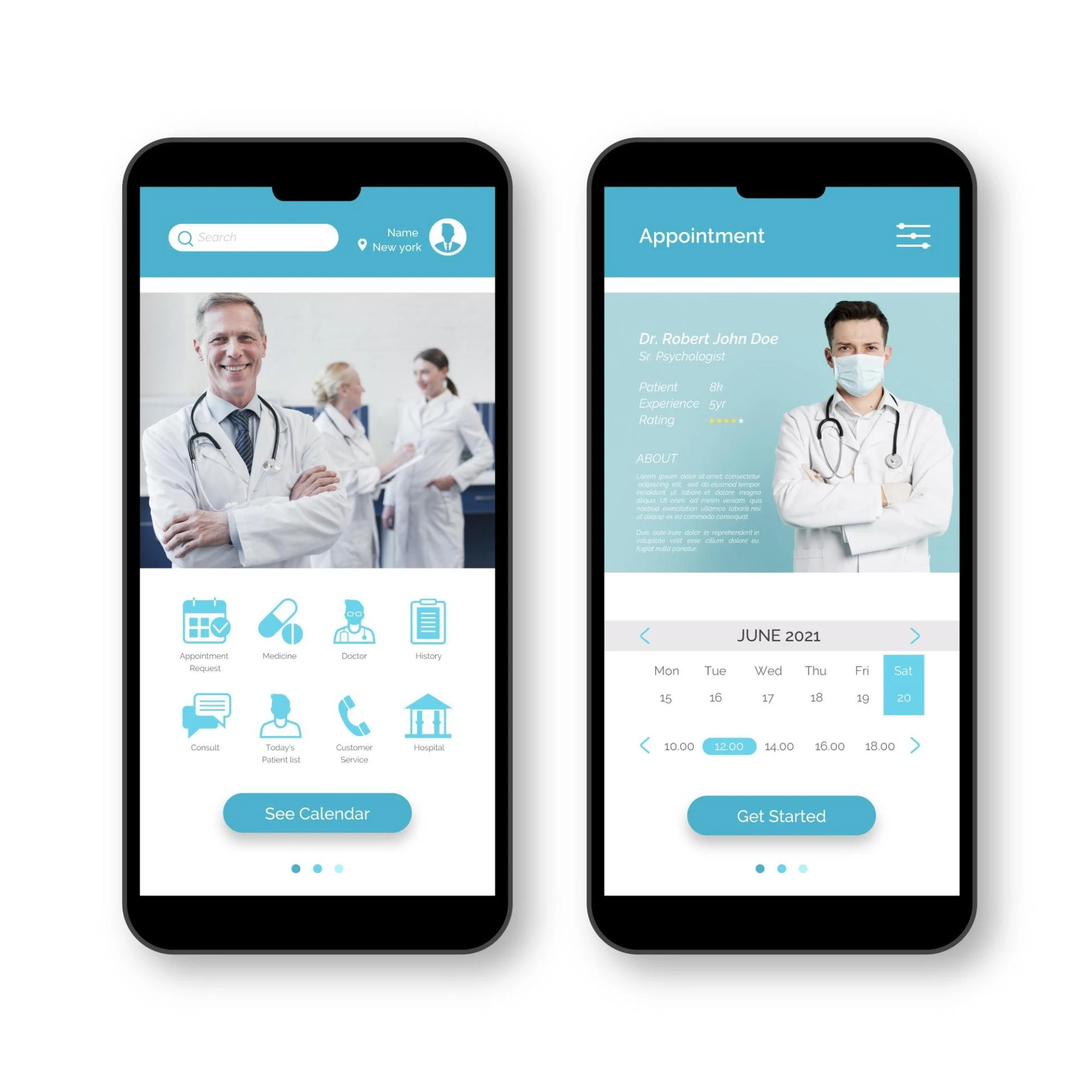

In today's digital age, mobile applications have become indispensable tools in various aspects of our lives, including healthcare. These applications, commonly referred to as healthcare mobile apps, encompass a broad spectrum of functionalities aimed at improving access to healthcare services, enhancing patient engagement, and promoting overall wellness. From telemedicine platforms enabling remote consultations to fitness trackers aiding in personal health monitoring, healthcare apps have emerged as powerful allies in the quest for better healthcare outcomes.
The Evolution of Healthcare Apps
The genesis of healthcare mobile applications can be traced back to the emergence of smartphones and the subsequent proliferation of mobile technology. As smartphones became ubiquitous, developers began harnessing their capabilities to create applications tailored to the healthcare sector. Initially, these apps focused on simple tasks such as medication reminders and symptom tracking. However, as technology advanced and consumer demand grew, these apps evolved to encompass a wider range of functionalities, including telemedicine, fitness tracking, chronic disease management, mental health support, and more.
Empowering Patients Through Engagement
One of the primary objectives of medical apps for patients is to empower patients to take an active role in managing their health. These apps provide users with tools and resources to monitor their health status, track symptoms, adhere to medication regimens, and make informed decisions about their healthcare. By fostering patient engagement and self-management, healthcare apps for patients not only improve health outcomes but also enhance the overall quality of care.
Improving Access to Healthcare Services
One of the most significant contributions of healthcare applications is their ability to improve access to healthcare services, particularly for individuals in underserved or remote areas. Telemedicine platforms, for example, enable patients to connect with healthcare providers remotely, eliminating geographical barriers and reducing the need for in-person visits. This increased accessibility is particularly beneficial for patients with limited mobility, chronic illnesses, or transportation challenges.
Enhancing Care Coordination and Communication
Healthcare mobile apps facilitate seamless communication and collaboration among healthcare providers, leading to better care coordination and improved patient outcomes. Features such as secure messaging, electronic health record (EHR) integration, and appointment scheduling streamline administrative processes and ensure that care plans are cohesive and up-to-date. Additionally, these apps empower patients to share vital health information with their care team, fostering a collaborative approach to healthcare delivery.
Promoting Preventive Care and Wellness
Preventive care is a cornerstone of modern healthcare, and healthcare mobile apps play a crucial role in promoting healthy behaviors and lifestyle modifications. Through features such as fitness tracking, nutrition monitoring, and wellness coaching, these apps empower users to adopt healthier habits, thereby reducing the risk of chronic diseases and promoting overall wellness. By providing personalized recommendations and actionable insights, mobile applications for patients empower individuals to take proactive steps toward better health.
Addressing Challenges and Considerations
Despite their numerous benefits, healthcare applications also present challenges and considerations, including data privacy and security concerns, regulatory compliance, interoperability issues, and disparities in digital literacy and access. Addressing these challenges requires collaboration among stakeholders, including app developers, healthcare providers, regulatory bodies, and policymakers, to ensure that mobile health solutions are safe, effective, and equitable.
Conclusion
As technology continues to advance, the future of healthcare mobile apps holds immense promise. From AI-driven virtual assistants to wearable devices and remote patient monitoring solutions, the possibilities for innovation are endless. By embracing digital health technologies and leveraging the power of mobile apps, healthcare providers can deliver more efficient, accessible, and patient-centered care, ultimately improving health outcomes and enhancing the overall quality of healthcare delivery.






















Sign in to leave a comment.