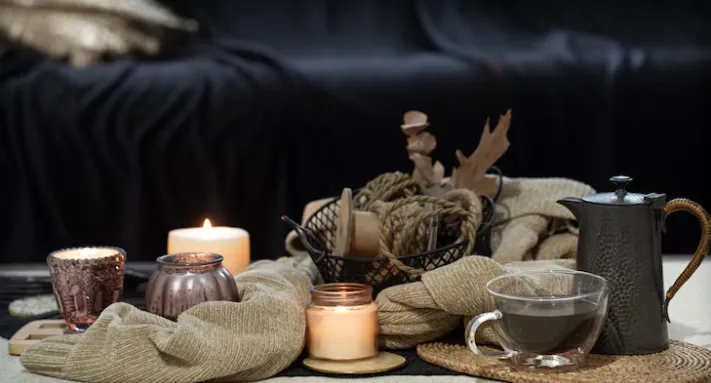
A home rarely feels complete through furniture alone. The sofa may be beautiful. The walls may be painted in the right tone. The shelves may be styled with care. Still, something can feel missing. Usually, that missing piece is atmosphere. It is the softness that makes a room feel lived in, warm, and personal. That is where handcrafted candles and fragrances begin to matter. They do more than scent a space. They shape mood, support visual styling, and help each room feel intentional. For homeowners who want more than a polished look, scent becomes part of the design language. It turns a room from simply arranged into truly inviting.
Key Takeaways
- Handcrafted candles and fragrances add both visual beauty and emotional warmth to a space.
- Scent helps define the purpose and mood of each room.
- Thoughtful placement matters just as much as the fragrance itself.
- A few well-chosen pieces often create more impact than too many decorative items.
Why handcrafted candles and fragrances matter in home décor
Home décor is often discussed in terms of color, texture, shape, and lighting. Those elements matter, but they are only part of the story. A room is not only seen. It is felt. That feeling often comes from the details people do not notice immediately but remember long after they leave.
Handcrafted candles and fragrances work so well because they combine two important roles. First, they function as decorative objects. A candle in a beautiful vessel can soften a coffee table, anchor a bedside tray, or add character to an empty shelf. Second, they shape the mood of a room through scent. That combination makes them especially powerful in interior styling.
Mass-produced décor often fills space. Handmade pieces tend to add personality. They feel chosen rather than simply purchased. That difference is subtle, but it changes how a home comes across.
What makes a candle feel like décor instead of clutter?
Not every candle improves a room. Some blend in too much. Others interrupt the look entirely. The difference usually comes down to three things: vessel design, scent identity, and placement.
A candle feels like décor when it complements the room rather than competes with it. A clean ceramic jar can support a modern interior. A tinted glass vessel can add richness to a darker space. A softly textured label can bring warmth to a relaxed, lived-in room.
Scent plays a role, too. A visually calm room paired with an overly sharp fragrance can feel disjointed. A warm wood-filled interior paired with soft amber, vanilla, or cedar notes often feels more cohesive. Good styling is not just about matching colors. It is about creating consistency between what a room looks like and how it feels.
How does fragrance change the mood of a room?
Fragrance works quietly, but its effect is immediate. It can make a space feel fresh, calm, grounded, clean, romantic, or cozy within moments. That response is not random. Research on the olfactory system and its connection to emotion helps explain why scent can shape the feeling of a room so quickly.
A bright citrus scent can make an entryway feel crisp and open. A soft floral note can bring lightness to a bedroom. Deeper notes such as sandalwood, amber, or musk often make living spaces feel intimate and settled.
This is where many homeowners miss an opportunity. They decorate visually, but forget to support the emotional tone of the room. The best interiors do both. They create a look, and they create a feeling.
A simple way to think about it is this:
- Decide how the room should feel.
- Choose a scent family that supports that feeling.
- Place the candle or fragrance where it strengthens both flow and appearance.
That small shift makes styling more intentional.
A simple method for styling candles throughout the home
A useful approach is the Room Mood Method. It keeps the process practical and prevents random décor decisions.
1. Define the room’s purpose
Ask one question first: what should this room help people do?
A living room may need to feel welcoming. A bedroom may need to feel calm. A bathroom may need to feel fresh and clean. A home office may need to feel focused without becoming cold.
2. Match the scent family to the mood
Once the purpose is clear, the fragrance choice becomes easier.
- Fresh notes work well in bathrooms, kitchens, and entryways
- Floral and soft powdery notes suit bedrooms and quiet reading corners
- Woody and warm scents fit living rooms, dens, and evening spaces
- Herbal notes often work well in offices and relaxed daytime areas
3. Style the candle as part of a visual story
A candle should not sit in isolation unless the space is very minimal. It usually looks better when paired with one or two simple elements, such as a small tray, a book, a ceramic piece, or a stem in a vase. The goal is balance, not crowding.
Room-by-room ideas for using handcrafted candles and fragrances
The table below offers a simple guide for matching scent and styling choices to different spaces.
| Room | Best Scent Direction | Styling Tip | Overall Effect |
| Entryway | Citrus, linen, light herbal | Place on a narrow tray with a small bowl or catch-all. | Fresh first impression |
| Living Room | Amber, sandalwood, soft spice | Use as part of a coffee table grouping with books | Warm and welcoming |
| Bedroom | Lavender, rose, vanilla, soft musk | Style on a bedside table or dresser with clean lines | Calm and restful |
| Bathroom | Eucalyptus, sea salt, fresh cotton | Keep near folded towels or a simple shelf display | Clean and polished |
| Kitchen | Citrus peel, basil, light green notes | Use sparingly and keep styling minimal | Bright and airy |
| Home Office | Cedar, tea, herbal blends | Place where it does not distract the work surface | Focused and grounded |
What most people get wrong with scented home styling
One common mistake is treating fragrance as an afterthought. People finish decorating a room, then add a candle at the end without considering whether it belongs there visually or emotionally.
Another mistake is overdoing it. Too many candles, too many scent diffusers, or too many competing notes can make a space feel confused. One or two carefully chosen fragrance points often create a stronger result than filling every surface.
Some also choose scent only by personal preference, not by room function. A favorite fragrance may be lovely, but still wrong for the space. A deep evening scent in a bright kitchen can feel out of place. A crisp spa-style scent in a cozy media room may feel too thin.
Good home styling is not about using more. It is about choosing better.
How to make candles look intentional in any room
Candles look best when they feel integrated into the room. That usually means paying attention to scale, materials, and repetition.
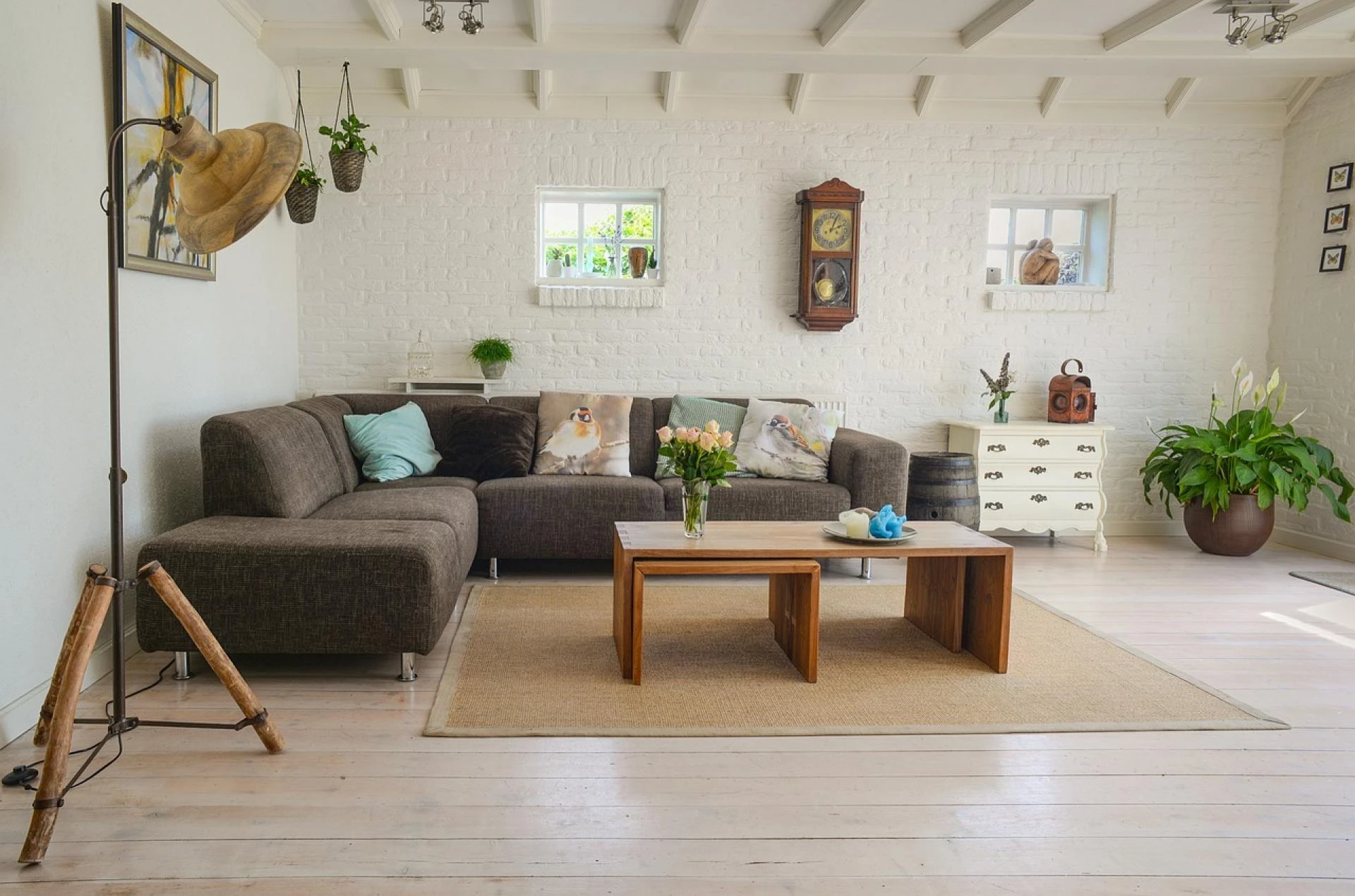
A large candle can anchor a large console or dining table. A smaller candle may work better on a nightstand or bathroom shelf. Materials matter too. If a room already includes warm woods, woven textures, and creamy neutrals, the candle should support that softness. If the room is sleek and modern, the candle should reflect that cleaner mood.
Repetition also helps. A candle can echo a color already present in a throw pillow, a curtain, a book spine, or a ceramic vase. These little visual links create harmony without making the design feel forced.
Can fragrance help a home feel more personal?
Yes, and that may be one of its strongest benefits.
Many homes look attractive but feel generic. They follow trends well, but they do not reveal much about the people living there. Fragrance helps change that. It creates memory. It gives the home a signature feeling. Guests may not remember the exact shape of a side table, but they often remember how it made them feel.
That emotional imprint matters. It turns décor into atmosphere. It brings warmth to minimal spaces and depth to polished ones. It also allows homeowners to refresh a room without changing large pieces. A new scent direction can shift the energy of a room in a way that feels immediate, but still subtle.
Seasonal updates without a full décor reset
Another reason handcrafted candles and fragrances work so well is flexibility. They make seasonal updates easy.
In warmer months, lighter notes such as citrus, clean florals, and green blends can brighten the home. In cooler months, richer scents can bring comfort and softness. This allows homeowners to refresh the mood of their space without replacing furniture, repainting walls, or buying new decorative accents.
That is one of the smartest things about fragrance-based styling. It offers change without excess.
Conclusion
A well-styled home is not only about what appears in a photograph. It is about what lingers after the first glance. Handcrafted candles and fragrances bring beauty, warmth, memory, and mood into the design process. They help rooms feel finished in a way that furniture alone cannot. For homeowners looking to create spaces that feel personal, layered, and welcoming, scent is not a final touch. It is part of the foundation. For those ready to bring that kind of atmosphere into their home, brands like Timber Candle Bar offer a thoughtful starting point.
FAQs
1. Are handcrafted candles better for home décor than ordinary candles?
They often are, because they usually offer more thoughtful vessel design, stronger character, and a more intentional presence in a room.
2. Which rooms benefit most from fragrance styling?
Living rooms, bedrooms, entryways, and bathrooms usually see the biggest difference because scent strongly affects how those spaces feel.
3. How many candles should be used in one room?
Usually, one or two is enough. More than that can make the space feel crowded or create too many competing scent notes.
4. Can candles work in minimalist interiors?
Yes. In minimalist spaces, a well-chosen candle can add warmth and softness without interrupting the clean look.
5. What scents are best for a cozy home feel?
Warm notes like amber, vanilla, cedar, and sandalwood often help a room feel settled and inviting.




























Sign in to leave a comment.