
Introduction
The digital landscape of 2026 demands more than just a presence on the internet. For many enterprises, the greatest hurdle to growth is not the competition but the aging software running their core operations. Traditional systems, while reliable in the past, often struggle to keep up with the rapid pace of current technological shifts. This is where cloud application modernization becomes a strategic necessity rather than a technical choice. It involves the careful process of updating legacy software to better align with modern business needs, allowing companies to leverage the full power of the cloud.
Instead of merely moving old problems to a new server, true modernization reimagines how an application function. It focuses on increasing agility, improving user experiences, and ensuring that security is baked into the architecture from day one. As businesses look toward a future dominated by artificial intelligence and real-time data, the ability to evolve quickly is the ultimate competitive advantage.
Why Your Business Needs Cloud Application Modernization Right Now
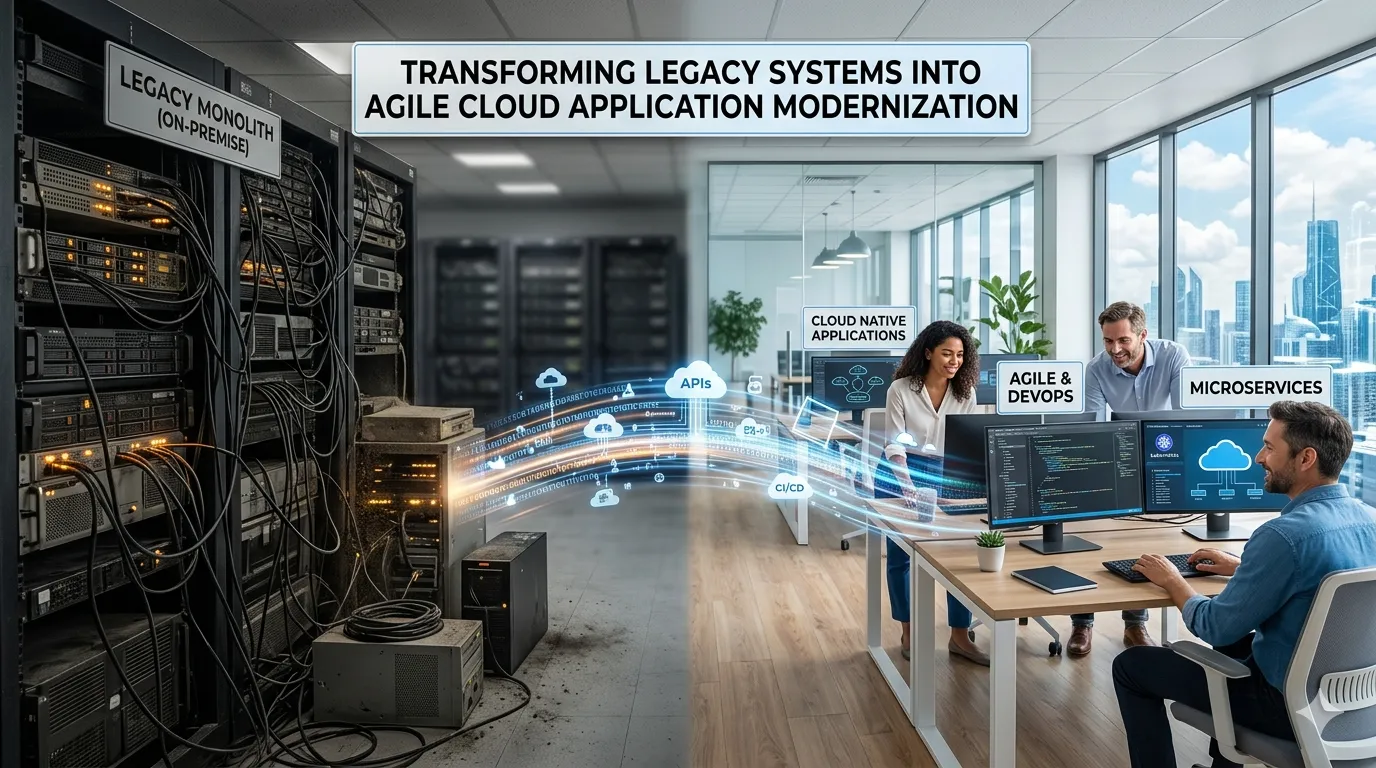
The risks of sticking with outdated software are becoming harder to ignore. Legacy applications often act as "digital anchors," slowing down innovation and consuming a disproportionate amount of the IT budget. When a system is monolithic—meaning all its functions are tightly bundled together—making even a small update can be a risky and time-consuming endeavor. This lack of flexibility prevents companies from responding to market changes or customer feedback with the speed required today.
Beyond agility, the financial burden of maintaining old hardware and specialized legacy code is significant. By prioritizing cloud application modernization, organizations can shift from expensive capital expenditures to more manageable operating costs.Furthermore, modern cloud environments offer native protection against sophisticated cyber threats that older systems simply weren't built to handle. Transitioning to a modern framework ensures that your data remains secure while your team spends less time on maintenance and more time on high-value innovation.
Proven Strategies for Successful Cloud Transformation
There is no universal solution when it comes to updating your software portfolio. The path you choose depends on your specific business goals, the complexity of your current code, and how much change your organization can handle at once. Many leaders begin with a "rehosting" approach, often called a lift-and-shift, which moves applications to the cloud with minimal changes. While this provides a quick win for reducing data center costs, it doesn't fully capture the benefits of a cloud-native environment.
For those seeking deeper impact, "refactoring" or "re-architecting" are often the preferred methods in cloud application modernization. These strategies involve modifying the internal structure of the application to take advantage of cloud-specific features like auto-scaling and serverless computing. By breaking a large, rigid application into smaller, independent services—known as microservices—developers can update specific features without risking the stability of the entire system. This modular approach is what allows modern tech giants to release updates hundreds of times a day.
The Role of AI and Automation in Modern Systems
As we move through 2026, the intersection of artificial intelligence and cloud technology is redefining what is possible. A modernized application is not just faster; it is smarter. Integrating AI into your cloud application modernization roadmap allows for predictive analytics, automated customer support, and even self-healing code that can identify and fix bugs before they impact the user. This level of intelligence is only possible when your software is hosted in a flexible, data-rich cloud environment.
Automation also plays a critical role in the development lifecycle. Modernized systems utilize continuous integration and deployment pipelines, which automate the testing and delivery of new features. This reduces the human error associated with manual updates and ensures that your software is always running the most secure and efficient version. When your infrastructure is treated as code, your IT team can deploy entire environments in minutes, allowing for unprecedented experimentation and growth.
Overcoming the Human Element of Technical Change
While the technical aspects of cloud application modernization are complex, the human side is equally important. Transitioning to new systems requires a shift in mindset for both developers and end-users. It is vital to involve stakeholders early in the process to ensure the new tools actually solve the problems they face daily. Training and clear communication are essential to help your team embrace new workflows and move away from "the way we’ve always done it."
Success in modernization is measured by more than just uptime or server costs. It is measured by how much faster you can deliver value to your customers. By choosing a partner with deep expertise in cloud ecosystems and a focus on long-term strategy, you can navigate the complexities of migration with confidence. The goal is to build a foundation that is not just modern today, but capable of evolving with the innovations of tomorrow.
Strategic Planning for Long-Term Scalability
The final phase of a successful modernization journey is continuous optimization. Once an application is in the cloud, the work doesn't stop. Leaders must regularly review their cloud consumption to ensure they aren't overspending on unused resources. Using automated monitoring tools helps in tracking performance and identifying areas where the application can be further refined. This commitment to ongoing improvement ensures that your cloud application modernization efforts continue to pay dividends for years to come.
In a world where digital disruption is the only constant, your software should be a bridge to the future, not a barrier. By embracing a modern, cloud-centric architecture, you empower your organization to dream bigger, move faster, and stay resilient in the face of any challenge. The transition may be a journey, but the destination—a truly agile and innovative enterprise—is well worth the effort.


























Sign in to leave a comment.