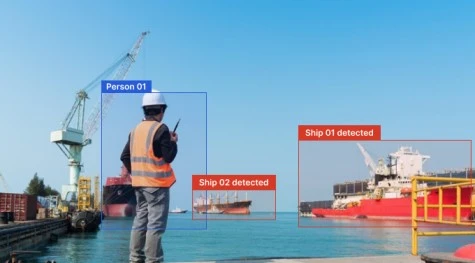

Did you know that over 90% of global goods are transported by sea? Maritime trade is the backbone of the world economy, but managing ports and shipping operations is a complex, high-stakes task. Traditional monitoring systems often struggle to handle challenges such as cargo delays, equipment malfunctions, and security threats. Today, digital transformation and AI-powered computer vision are emerging as game-changing solutions, enabling smarter, safer, and more efficient maritime operations.
Computer vision, powered by AI, analyzes images and videos in real-time, identifies patterns, tracks movement, and extracts actionable insights. By integrating AI-powered computer vision into maritime trade and port management systems, maritime operators can optimise scheduling, improve logistics, enhance safety, and reduce operational costs.
The Need for Smarter Ports
Modern ports face multiple operational challenges, from cargo unloading delays to storage inefficiencies and late arrivals. To remain competitive, ports require solutions that optimize processes, minimize delays, and improve resilience. By integrating AI and computer vision with existing port management software, maritime authorities can streamline operations, enhance planning, and reduce costly penalties.
AI-driven solutions provide real-time monitoring and predictive insights, allowing operators to manage port facilities more efficiently. Automated tracking, visual surveillance, and predictive maintenance are some ways ports can leverage computer vision to improve both operational and environmental outcomes.
Key Applications of Computer Vision in Maritime Trade
1. Shipping Navigation & Vessel Monitoring
AI-powered computer vision helps ships navigate safely and efficiently. By analyzing real-time video feeds, vision AI can detect obstacles, track vessel movement, and suggest optimized routes with minimal congestion and fuel consumption. This reduces delays and ensures safer maritime navigation.
2. Cargo and Container Tracking
Computer vision systems can automatically identify containers, verify seal integrity, and detect damages. This reduces errors associated with manual inspections, speeds up cargo clearance, and prevents fraud. The technology enables precise cargo management while enhancing operational reliability.
3. Vessel Traffic Management
Real-time video analysis allows maritime authorities to monitor vessel traffic, detect bottlenecks, and optimize docking schedules. This improves safety, reduces queue times, and enhances overall port efficiency.
4. Automation and Operational Efficiency
By integrating AI with port equipment, operators can automate cranes, yard management, and robotic loaders. This reduces turnaround times, enhances throughput, and ensures efficient use of resources, enabling ports to handle larger volumes with minimal human intervention.
5. Workforce and Equipment Safety
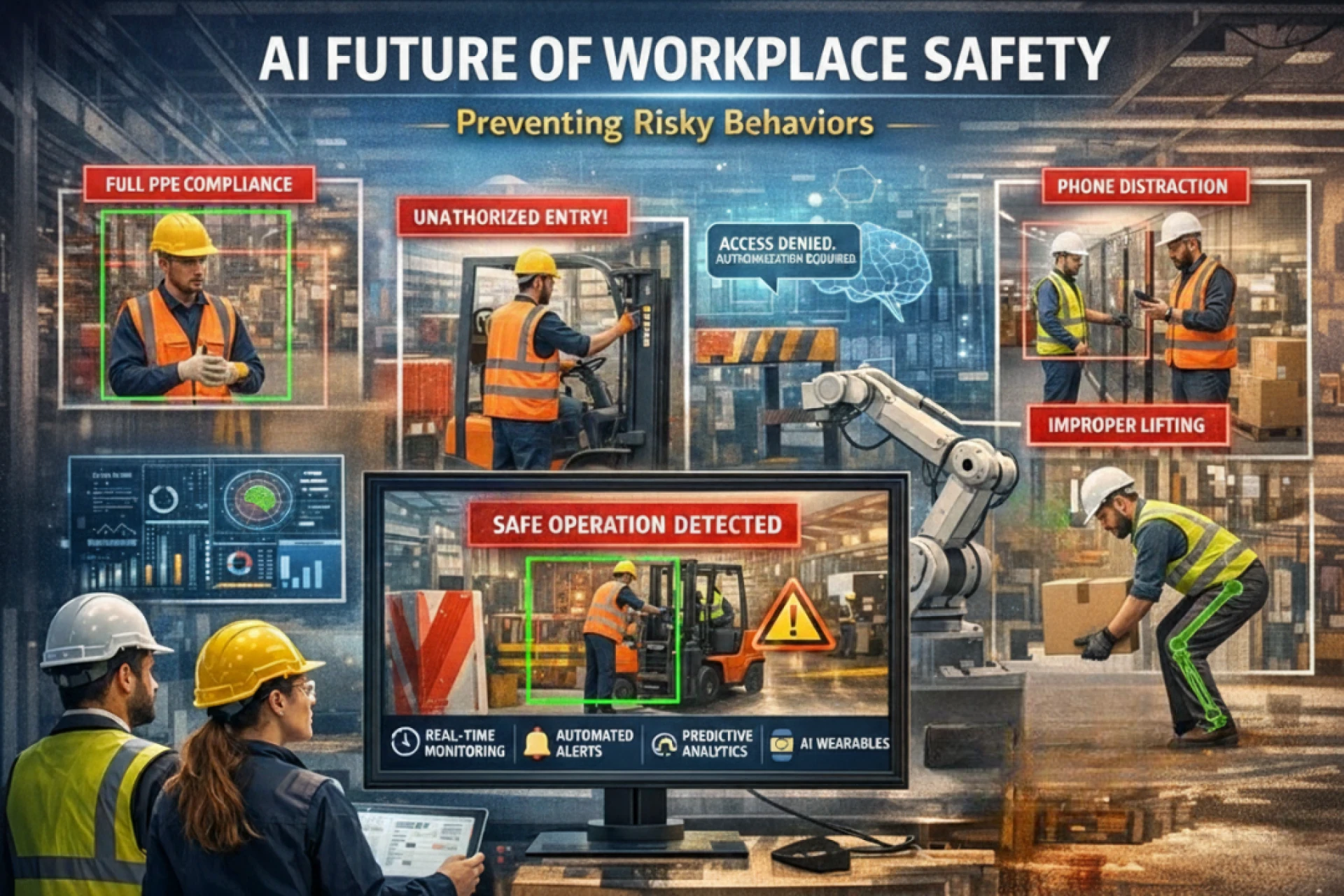
AI-powered computer vision can detect unsafe behavior, equipment malfunctions, and unauthorized access. Proactive monitoring minimizes accidents, ensures compliance with safety regulations, and protects both employees and equipment.
6. Security and Threat Detection
Computer vision enhances port security by monitoring restricted zones, identifying intrusions, and detecting suspicious activities. This reduces the risk of smuggling, theft, and other security threats. AI video surveillance software can further strengthen security protocols by analyzing live feeds, detecting anomalies, and providing real-time alerts, ensuring comprehensive monitoring across the port premises.
7. Shipboard Surveillance
Multi-camera AI systems monitor onboard operations, including deck activities and sensitive areas. Irregularities such as improper loading or unauthorized access are detected early, preventing accidents and ensuring vessel safety.
8. Container Inspection
Camera-based surveillance combined with deep learning evaluates container conditions after enduring harsh environments. Automated visual inspections improve damage assessment accuracy and provide actionable insights for cargo management.
9. Predictive Maintenance
Computer vision, combined with IoT sensors, enables predictive maintenance of port equipment. Real-time monitoring detects wear and tear, allowing operators to schedule maintenance proactively, prevent breakdowns, and extend machinery lifespan.
Environmental and Sustainability Benefits
1. Cleaner Operations
Computer vision assists in monitoring emissions, pollution, and oil spills in port facilities. Visual intelligence identifies potential hazards quickly, ensuring timely intervention and compliance with environmental regulations.
2. Oil Spill and Emission Detection
AI systems can detect oil spills and emissions, distinguishing between normal activities and environmental threats. This ensures swift response and reduces the ecological impact of maritime operations.
3. Pollution Monitoring
Vision AI can scan water bodies for toxic substances, oil spills, and plastic waste. It can also detect unauthorized dumping, contributing to cleaner oceans and sustainable maritime practices.
4. Weather Monitoring and Predictive Insights
By integrating drones and vision AI, ports can analyze weather conditions in real-time, predicting storms, high winds, and other hazards. These insights allow vessels to adjust routes, prevent accidents, and maintain operational continuity.
Benefits of Computer Vision in Maritime Operations
- Data-Driven Decisions: AI-powered insights enable informed decision-making across all port operations.
- Enhanced Logistics: Real-time monitoring streamlines shipping, cargo handling, and overall port efficiency.
- Reduced Labor Costs: Automated inspections, vessel monitoring, and cargo tracking minimize reliance on manual labor.
- Optimized Route Forecasting: AI algorithms analyze visual data to suggest efficient shipping routes.
- Improved Safety: Continuous surveillance and predictive monitoring reduce accidents and security risks.
- Sustainability: Visual monitoring ensures compliance with environmental standards, reducing pollution and promoting greener operations.
Final Thoughts
AI-powered computer vision is revolutionizing maritime trade by improving efficiency, enhancing safety, and supporting sustainable operations. From automated cargo tracking to predictive maintenance and security monitoring, computer vision provides actionable insights that minimize human error and optimize port operations.
Nextbrain specializes in delivering computer vision solutions for maritime facilities, helping businesses adopt intelligent systems for safer, smarter, and greener operations. Staying ahead of the technology curve ensures competitive advantage and sets new benchmarks in global trade.
Ready to transform your port operations with AI-powered computer vision? Contact Nextbrain today to get started.
FAQs
Q1: Why is computer vision important in maritime trade?
AI-powered computer vision automates cargo inspection, equipment monitoring, and security checks, enabling faster, more accurate port operations.
Q2: How does computer vision reduce costs for ports?
It reduces reliance on manual inspections, prevents accidents, minimizes downtime, and optimizes logistics, resulting in significant cost savings.
Q3: Can computer vision improve efficiency?
Yes, by enabling real-time tracking, predictive maintenance, and automated identification, it reduces delays and optimizes resource allocation.
Q4: How does computer vision enhance maritime security?
Nextbrain’s AI systems monitor restricted areas, analyze video feeds, and detect suspicious behavior, reducing theft, smuggling, and other risks.
Q5: Can computer vision integrate with other port technologies?
Absolutely. It seamlessly integrates with IoT sensors, AI analytics, and drones, creating an interconnected system for efficient maritime operations.
























Sign in to leave a comment.