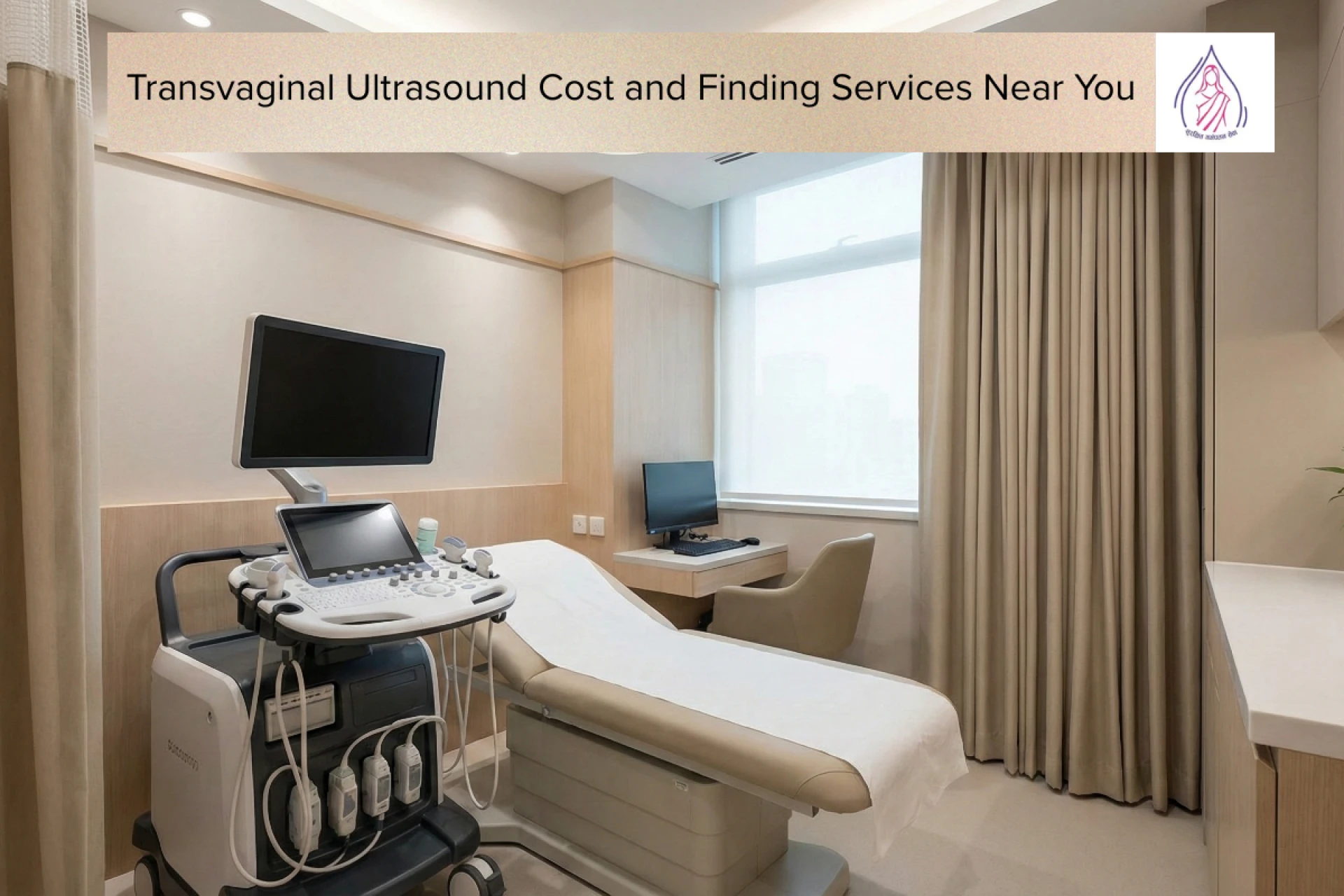

Women’s reproductive health depends greatly on early diagnosis and accurate medical imaging. One of the most effective diagnostic tools used in gynecology is the transvaginal ultrasound, also known as TVS ultrasound. This internal ultrasound technique helps doctors examine the uterus, ovaries, fallopian tubes, and surrounding pelvic structures with high clarity.
In Nepal, searches for transvaginal ultrasound near me and transvaginal ultrasound price are increasing as awareness grows about its importance in pregnancy care, fertility evaluation, and diagnosis of pelvic conditions. A detailed explanation of this procedure in the local healthcare context can be found at
https://sanjivanidiagnosticlab.com.np/transvaginal-ultrasound-in-nepal/.
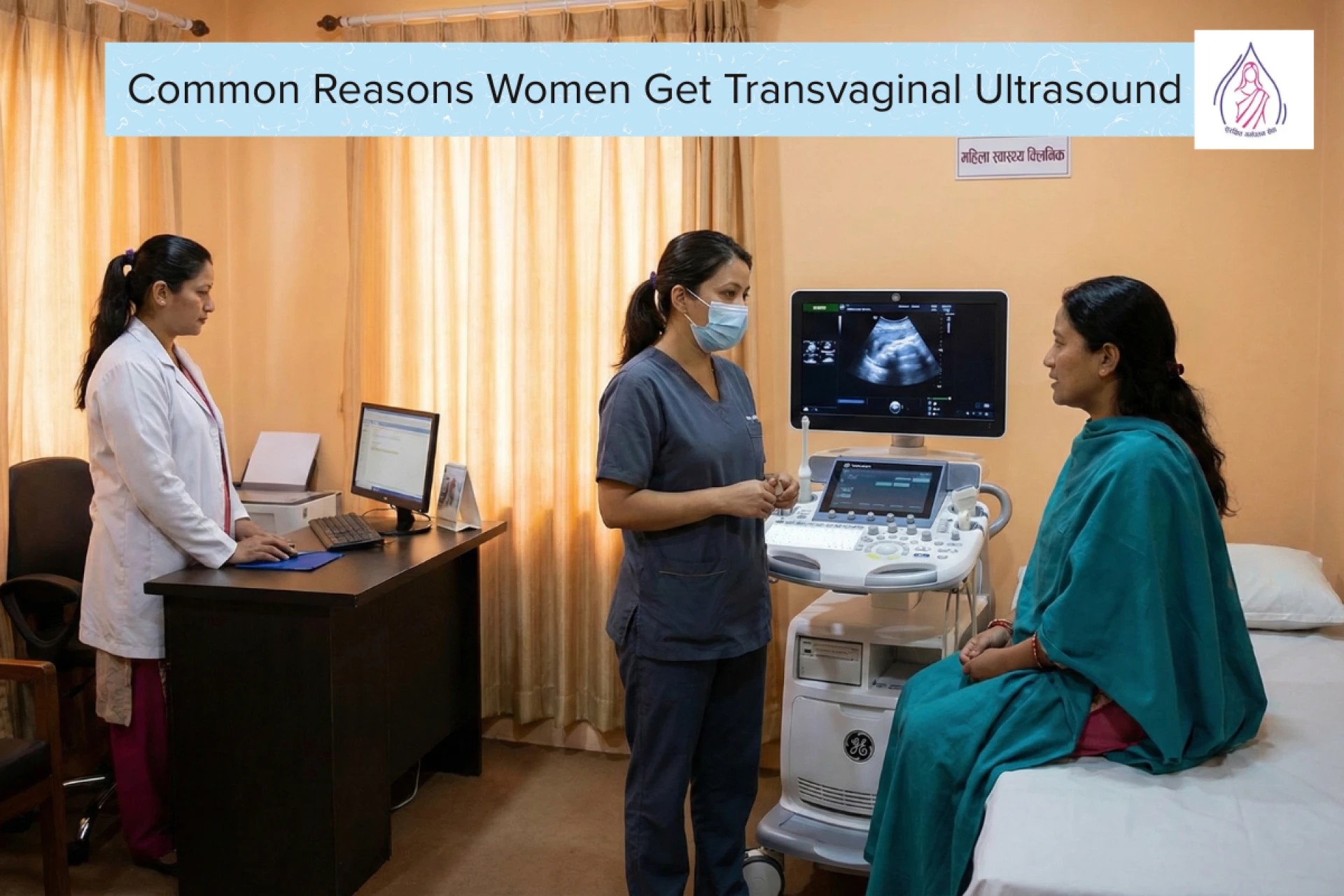
What Is a Transvaginal Ultrasound?
A transvaginal ultrasound is a medical imaging test that uses sound waves to produce detailed images of a woman’s internal reproductive organs. Unlike abdominal ultrasound, which scans from outside the body, a TVS ultrasound places a slim probe inside the vagina, allowing closer access to the uterus and ovaries. This proximity provides clearer images, especially during early pregnancy or when evaluating small structures.
The test is commonly used to examine the endometrial lining, detect ovarian cysts, identify uterine fibroids, and assess conditions such as polycystic ovary syndrome (PCOS) and pelvic inflammatory disease.
Why Doctors Recommend Transvaginal Ultrasound
Doctors choose transvaginal ultrasound because of its accuracy and versatility. It is particularly valuable in:
- Early pregnancy detection, where it can confirm pregnancy earlier than abdominal ultrasound
- Identifying ectopic pregnancy, which requires immediate medical attention
- Fertility assessment, including follicle monitoring and ovarian reserve evaluation
- Investigating pelvic pain, abnormal bleeding, or irregular menstrual cycles
Because the probe is closer to the organs being examined, a TVS ultrasound provides detailed images that support accurate diagnosis and treatment planning.
Role of Transvaginal Ultrasound in Early Pregnancy
Transvaginal ultrasound plays a key role during the first trimester of pregnancy. It can detect early pregnancy structures at different stages:
- 5 weeks: Visualization of the gestational sac
- 6 weeks: Appearance of the yolk sac and possibly the fetal heartbeat
- 7–8 weeks: Clearer embryo development and stronger heartbeat
This imaging method helps confirm that the pregnancy is located within the uterus and is progressing normally. It is also used to monitor pregnancies where there is bleeding, pain, or uncertainty about gestational age.
Use in Fertility and Gynecological Conditions
In fertility treatment and IVF procedures, transvaginal ultrasound is essential for monitoring egg development, measuring endometrial thickness, and guiding medical decisions. It is also widely used to diagnose gynecological conditions such as ovarian cysts, uterine abnormalities, infections, and fluid accumulation in the pelvic region.
Women experiencing heavy bleeding, painful periods, or unexplained pelvic discomfort often undergo a TVS ultrasound to identify the underlying cause.
How the Procedure Is Performed
Preparation for a transvaginal ultrasound is usually simple and may require an empty bladder. During the scan, the patient lies comfortably in a private examination room. A clean, covered probe is gently inserted into the vagina, and images are captured in real time.
The procedure generally takes 30 to 60 minutes. Most women experience minimal discomfort, similar to a routine gynecological examination. Mild spotting afterward can occur but is not common.
Safety and Side Effects
A transvaginal ultrasound is considered extremely safe. It does not use radiation and has no known harmful effects on the uterus, ovaries, or developing pregnancy. Because it is non-invasive, normal daily activities can be resumed immediately after the scan.
Understanding Results and Costs in Nepal
The results of a transvaginal ultrasound help doctors identify reproductive health issues and plan appropriate care. Costs for the scan in Nepal vary depending on the diagnostic center, equipment quality, and whether consultation is included. Many women search for TVS ultrasound Kathmandu or transvaginal ultrasound cost in Nepal to find reliable diagnostic services.
Centers that use modern ultrasound technology and employ trained professionals are more likely to provide accurate imaging and clear reports.
When Is Transvaginal Ultrasound Recommended?
A transvaginal ultrasound may be recommended in cases of:
- Early pregnancy confirmation
- Fertility evaluation or IVF monitoring
- Abnormal uterine bleeding
- Pelvic pain or suspected infection
- Follow-up after gynecological procedures
Conclusion
Transvaginal ultrasound is an essential diagnostic tool for women’s health, offering clear and detailed imaging of the reproductive system. It supports early pregnancy monitoring, fertility assessment, and detection of gynecological conditions with high accuracy. As a safe, non-radiation imaging method, it continues to play a central role in modern reproductive healthcare.
For further reading on transvaginal ultrasound in Nepal, refer to:
https://sanjivanidiagnosticlab.com.np/transvaginal-ultrasound-in-nepal/
<iframe src="https://www.google.com/maps/embed?pb=!1m18!1m12!1m3!1d3532.8113530358496!2d85.27988637546683!3d27.692224876191254!2m3!1f0!2f0!3f0!3m2!1i1024!2i768!4f13.1!3m3!1m2!1s0x39eb1870013e3107%3A0xb998cdb9d124aa9a!2sSanjivani%20Abortion%20Center!5e0!3m2!1sen!2snp!4v1766128052106!5m2!1sen!2snp" width="600" height="450" style="border:0;" allowfullscreen="" loading="lazy" referrerpolicy="no-referrer-when-downgrade"></iframe>
































Sign in to leave a comment.