

Kidney stones are a common urological condition that can cause severe pain, urinary discomfort, nausea, and infections if not treated properly. While small stones may pass naturally with medication and increased fluid intake, larger or complicated stones often require surgical intervention. Understanding the different types of kidney stone surgeries helps patients make informed decisions and reduces fear associated with treatment.
Kidney stone surgery is recommended when stones are too large to pass on their own, cause repeated infections, block urine flow, or lead to kidney damage. An accurate diagnosis and proper treatment plan are essential for safe recovery. Consulting an experienced specialist such as Dr. Anuj Arora, a trusted urology expert, ensures the most suitable surgical approach based on stone size, location, and patient health. Evaluation by the best urologist in greater noida plays a vital role in achieving successful outcomes.
Ureteroscopy (URS)
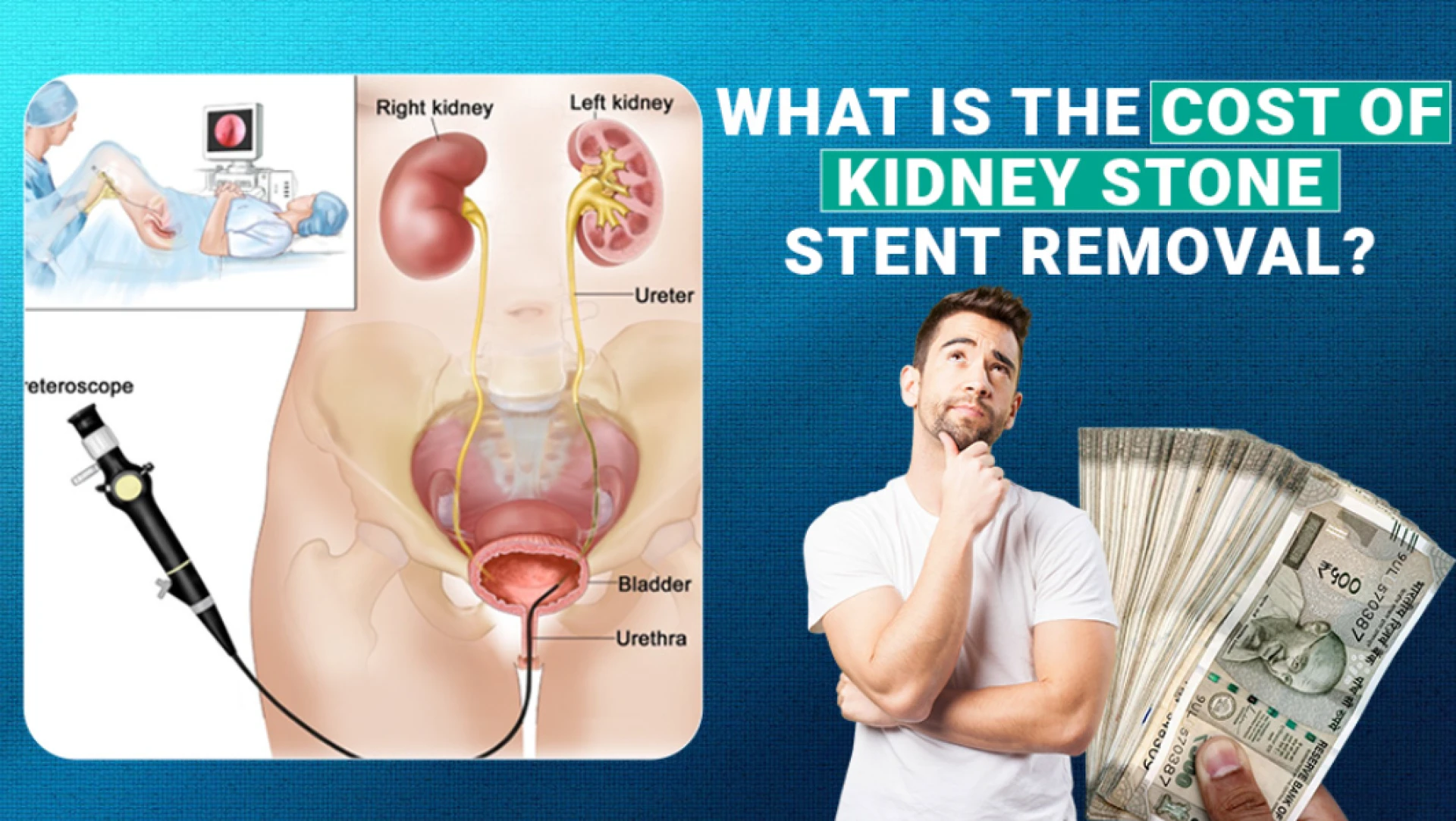
Ureteroscopy is a minimally invasive procedure used to remove stones located in the ureter or kidney. A thin scope is passed through the urinary tract to reach the stone, which is then broken using laser energy and removed. This procedure does not require any external incision and allows quick recovery with minimal discomfort.
Laser Lithotripsy
Laser lithotripsy is commonly performed along with ureteroscopy. In this technique, high-energy laser waves break the stone into tiny fragments that can pass naturally through urine. It is highly effective, safe, and widely used for medium-sized stones, offering excellent success rates.
Percutaneous Nephrolithotomy (PCNL)
PCNL is recommended for large or complex kidney stones. It involves making a small incision in the back to access and remove the stone directly from the kidney. Although slightly more invasive than URS, it is extremely effective for stones that cannot be treated with laser procedures.
Mini PCNL
Mini PCNL is an advanced version of standard PCNL, using smaller instruments and incisions. This reduces blood loss, pain, and recovery time while maintaining high success rates. It is often preferred when treating moderately large stones.
Open Surgery (Rare Cases)
Open kidney stone surgery is now rarely performed and is reserved only for very complex cases where minimally invasive techniques are not suitable. Due to longer recovery and higher discomfort, it is considered a last option.
Patients today have access to advanced kidney stone treatment in greater noida, offering modern technology, precise diagnosis, and patient-focused care. Choosing the right surgical method depends on stone size, medical history, and kidney function.
Conclusion
Kidney stone surgery has evolved significantly, making treatment safer and more comfortable for patients. With multiple minimally invasive options available, most stones can be treated effectively without major surgery. Under expert care from specialists like Dr. Anuj Arora, patients can expect accurate diagnosis, personalized treatment, and long-term relief with improved quality of life.
























Sign in to leave a comment.