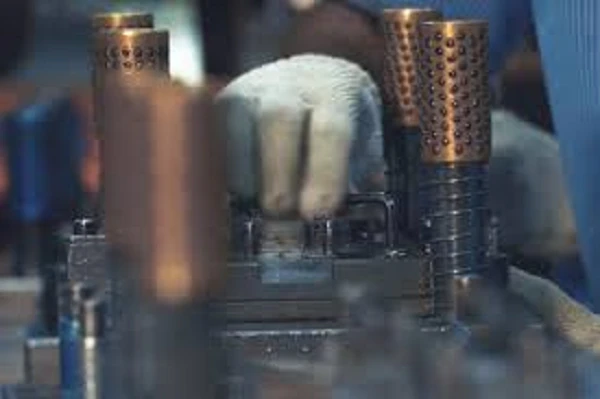

In metal manufacturing units, each and every machine movement determines the outcomes of metal shapes, density, and their performance. Metal sheets are cut precisely and pressed with tools to make a strong, firm, and compound die stamping to achieve a quality outcome.
The force on press tools varies based on the design of the die and the models of the sheets, and it is categorised into various types, such as progressive, compound, and combination. Let's dive into the blog to explore the types of press tools and how precise cutting enables the metal to function.
Press Tools
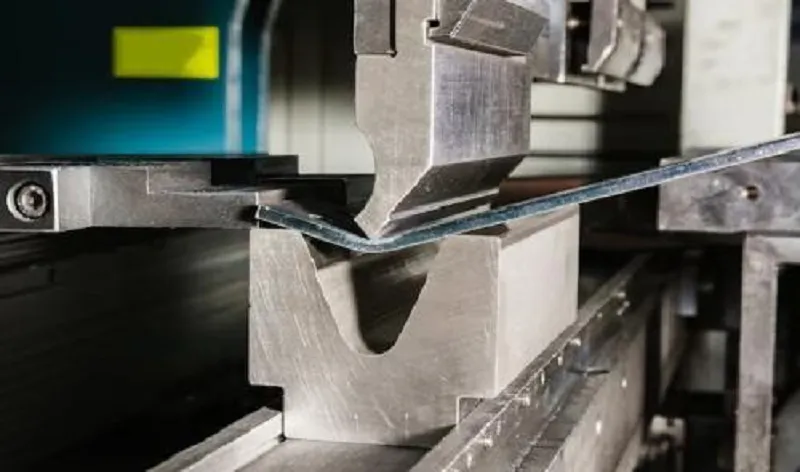
Unlike traditional manual manufacturing, modern manufacturing units use advanced press tool machines to convert the metal sheet into desirable forms of production. With a tech control, the operator can determine each bend and form of the metal sheet, shaping and cutting the sheet using a die.
The progressive tooling system is commonly used in mechanical, hydraulic, and pneumatic units to form and cut metal in specific shapes and sizes. In the large production units, it reduces the work by half and minimises the work time with its multiple tasking features.
How Press Tools Are Used in Manufacturing Units
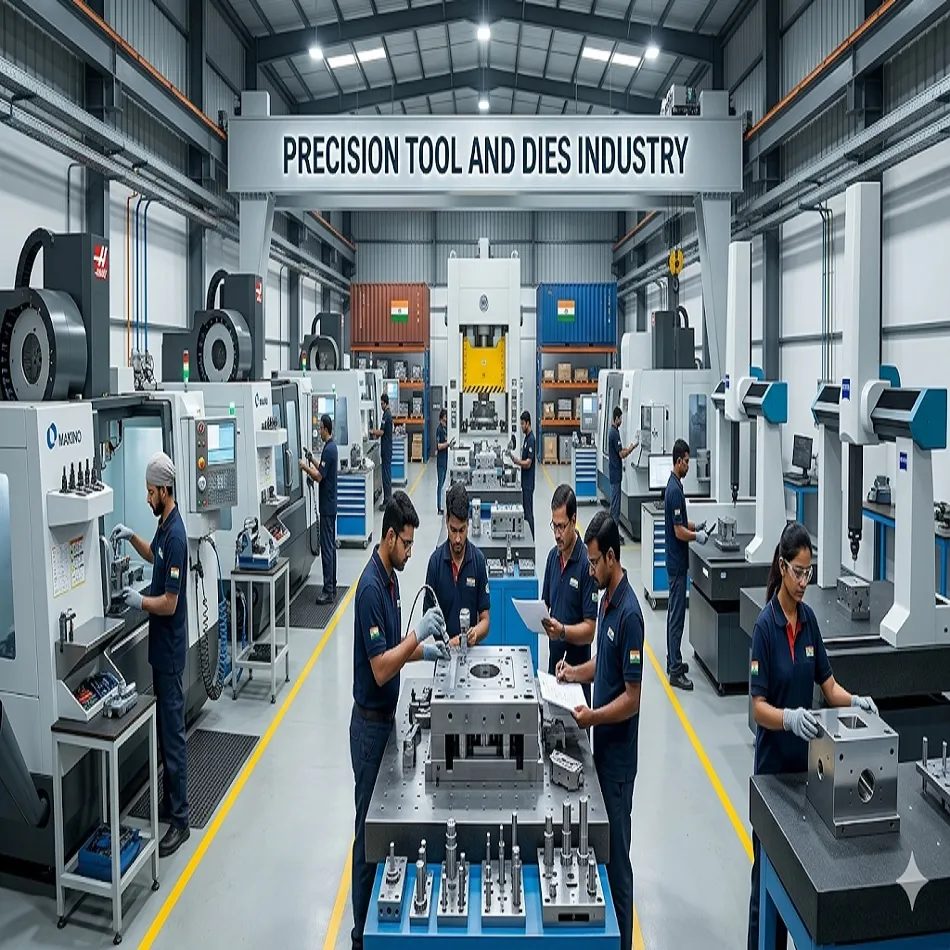
Along with shaping and cutting the metal sheets, press tools also work as several components, such as pressure punching and die operations to stamp, blend, pierce, and draw for specific manufacturing. When the precision tool and dies industry starts working, each punch moves upwards and downwards with great force to press the sheet material into the design of the tool or cut the material into a specific form. In large manufacturing units, this process is repeated continuously at high speed and precision to make consistent and high-quality mass production of metal parts.
As the defined pressure is applied to press tools, it ensures that they produce an alignment and accurate shape and accurately cut materials without any imperfections. The press tools are designed to guide the machine to make a structural pattern to achieve a proper alignment and strip, punch, and remove scrap parts to move the material for delivery.
Types of Press Tools
According to the shape and size of the metal, the type of press tools is divided. Here are the commonly known press tool types.
Progressive Press Tools
Progressive press tools are nothing but a tool machine that is designed to enhance multiple actions in stripping the metal in a single press stroke. Along with the progressive press on material stripping, it also carries out various things such as punching, bending, blanking, and forming until the final component is produced. Progressive tools and components are highly useful for large-scale manufacturing, where they can enhance multiple processes into one streamlined process without compromising their quality and material efficiency.
Its key characteristics are
- As the progressive press reduces the duration of manufacturing and speeds up the metal stripping process, many manufacturing units take advantage of progressive tools and use them to speed up production.
- With the tech tools, it can function automatically with the operator's help and can enhance a huge production of large and small progressive tool sheet metal in ready-to-deliver form.
- As it compresses and defines the material in precise sizes, it minimises the wastage of material and handles it till the end of the workpiece.
- Due to their versatile nature and mechanical function, progressive press tools are commonly used in industries such as automotive, electronics, and household appliances, where precision and efficiency of material are significant.
Compound Press Tools
Compound press tools are the other type of press tool, which help in compressing and designing the material. It helps in handling two or more operations, such as piercing and blanking, in a single stroke of the press. Though it performs in a unique way, it differs in the arrangement of the punch and die compared to progressive tools.
Its key qualities are
- A reliable stamping die manufacturer uses a compound tool for blanking and piercing operations, where the cutting and piercing dies act together.
- It can punch accurately on the top side, and the piercing punches on the bottom side of the tool in motion keep the material in form.
- One of the key benefits is its ability to carry out multiple cutting operations at once without any delineation, and enables high speed production for particular applications.
- Compared to progressive tools, it handles simpler parts but in huge volumes and makes the work move in precise motion.
Combination Press Tools
Unlike other tools, combination press tools are capable of handling two or more tasks in both operational and non-operational units. It highly focuses on cutting, drawing, blending, forming, and metal stamping dies in a single motion. Its versatile function makes it ideal for complex manufacturing units that need multiple production tasks.
- Combination tools are flexible tools that can handle different part shapes in one press cycle.
- They increase productivity by reducing the work function of different tools or press strokes needed to complete a component.
Final Thoughts
Each metal press tool type has its unique characteristics and quality of functioning. Using Eigen and Engineering’s progressive tools helps in manufacturing high-volume material in precision form, while its compound tools suit simple and repetitive tasks, and large and complex metal manufacturing uses combination tools to tackle multi-operation parts with one press cycle to achieve reliable productivity in minimal time. Understand the work efficiency of each press tool and choose an ideal tool in Eigen Engineering for your units to improve productivity and work efficiency.



























Sign in to leave a comment.