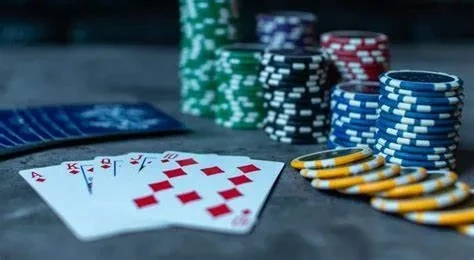

Gambling is often seen as a harmless pastime in civilian life, whether it’s playing poker with friends, betting on sports, or visiting a casino. However, when it comes to military service members, gambling is a far more serious issue that can lead to significant consequences under the Uniform Code of Military Justice (UCMJ). The term “UCMJ gambling” refers to the regulations, restrictions, and disciplinary actions surrounding gambling activities for active-duty personnel.
What is UCMJ Gambling?
UCMJ gambling covers any form of unauthorized betting, wagering, or participation in games of chance that may undermine the discipline, efficiency, or reputation of the armed forces. The military places a high priority on good order and discipline, and gambling can quickly become a disruptive influence. While occasional, legal recreational gambling in authorized establishments may be permitted, unregulated or excessive gambling can put a service member at risk of disciplinary action.
For example, running an unauthorized gambling operation in the barracks, betting on duty, or engaging in online gambling that violates military policies can be considered punishable offenses under the UCMJ.
Why Does the Military Restrict Gambling?
The military restricts gambling for several important reasons:
- Discipline and Readiness – Service members must always be mission-ready. Gambling-related debts or addictions can distract from duty and affect performance.
- Financial Security – Excessive gambling can cause financial hardship, leading to security clearance issues, susceptibility to bribery, or misconduct.
- Unit Cohesion – Gambling among troops can create unfair dynamics, disputes, or resentment, which may erode trust within a unit.
- Public Image – The armed forces are expected to uphold integrity. Being involved in illegal gambling could damage the military’s reputation.
Because of these risks, UCMJ gambling is treated more seriously than it might be in civilian life.
Legal vs. Illegal Gambling in the Military
Not all gambling is automatically prohibited under the UCMJ. In fact, service members are sometimes allowed to participate in legal gambling, such as:
- Visiting casinos while on authorized leave
- Playing the lottery in states where it is legal
- Participating in legal sports betting where permitted
The key difference lies in authorization and context. If the gambling is conducted lawfully, does not interfere with duty, and does not compromise military standards, it may be acceptable. However, illegal gambling includes activities like:
- Running or participating in an unauthorized betting pool on base
- Online gambling through unregulated sites
- Engaging in high-stakes gambling that leads to financial instability
- Any gambling that takes place during duty hours or within military facilities without approval
Punishments for UCMJ Gambling
When service members are found guilty of gambling offenses, they may face punishments under Article 134 of the UCMJ, which covers conduct that is prejudicial to good order and discipline. Penalties for UCMJ gambling violations can include:
- Non-Judicial Punishment (NJP/Article 15): Loss of rank, forfeiture of pay, extra duty, or restriction to base.
- Court-Martial: In more serious cases, gambling offenses can result in a court-martial, potentially leading to confinement, dishonorable discharge, or loss of benefits.
- Administrative Consequences: Even without a formal trial, a service member’s career could be derailed due to loss of security clearance or damage to their reputation.
The Importance of Awareness
Every service member should understand that gambling rules under the UCMJ are not the same as civilian laws. What might be a minor recreational activity for a civilian could be a career-ending mistake for someone in uniform. Awareness of UCMJ gambling regulations is crucial to maintaining both personal integrity and unit cohesion.
Conclusion
While gambling may be viewed as entertainment in civilian life, in the military it is tightly regulated under the Uniform Code of Military Justice. UCMJ gambling rules are designed to protect discipline, readiness, and the reputation of the armed forces. Service members must always be mindful of where, when, and how they engage in gambling to avoid jeopardizing their careers. By understanding these regulations, military personnel can steer clear of unnecessary risks and maintain the high standards expected of those who serve.




























Sign in to leave a comment.