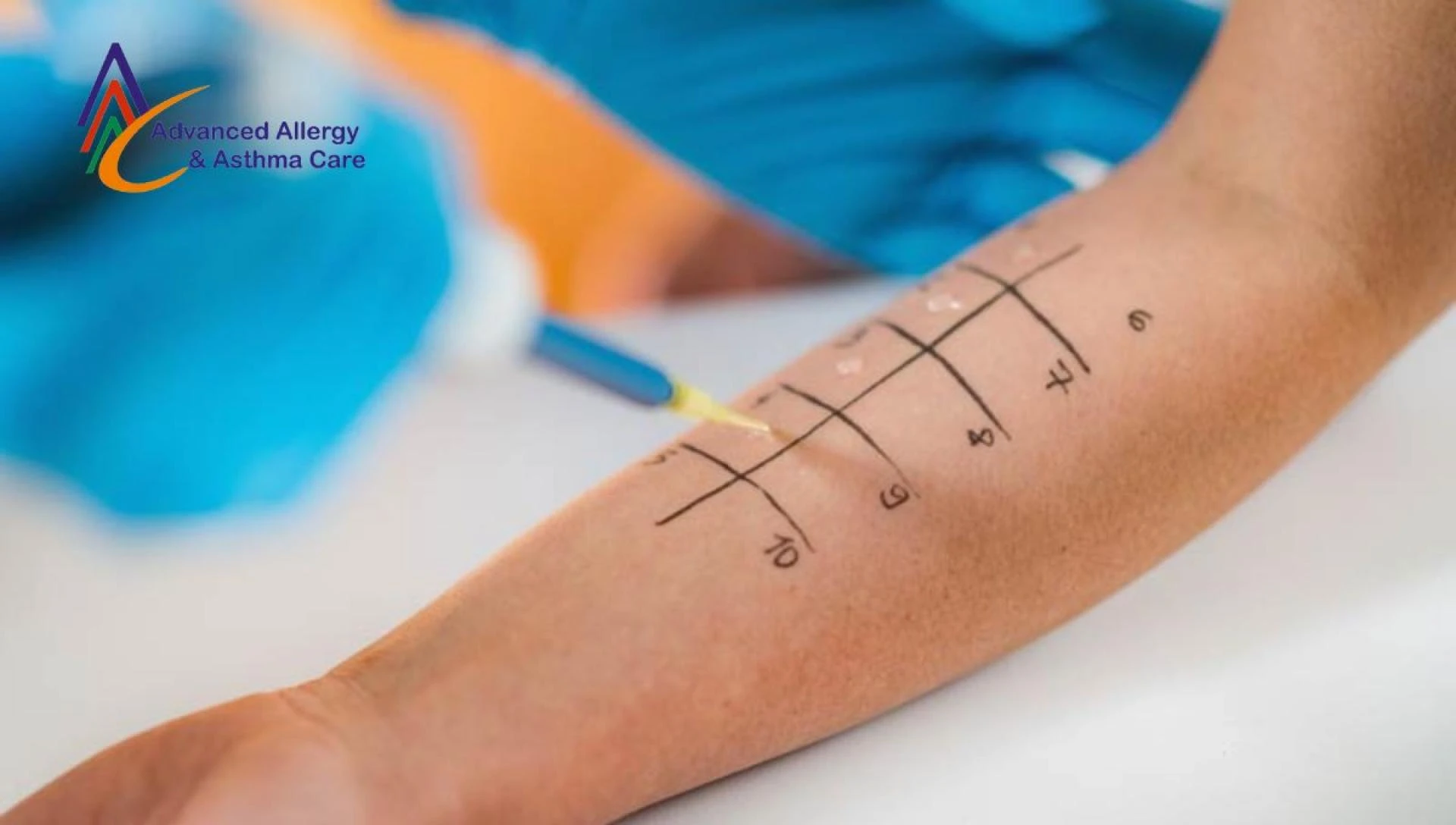

Are you frequently bothered by sneeze fits, itchy eyes, or skin rashes? Allergies can make everyday activities challenging, but there's a valuable tool that can help you identify the culprits behind your allergic reactions and that is allergy skin tests. In this comprehensive guide, we'll take you through the step-by-step process of these tests, shedding light on how they work and why they're essential for effective allergy management.
Step 1: Consultation With An Allergist
Before undergoing any allergy testing, it's crucial to schedule a consultation with an allergist. During this initial appointment, you'll discuss your medical history, allergy symptoms, and any known triggers. This information helps your allergist determine the most suitable testing approach.
Step 2: Test Methods
Based on your consultation, your allergist will recommend specific tests tailored to your suspected allergies. The two primary types of allergy skin tests are the prick test and the intradermal test. Here's a brief overview of each:
Prick-Puncture Method: This common test involves placing a tiny drop of allergen extract (a substance that causes allergies) on your skin's surface, usually on your forearm or back. Then, a small, painless prick or scratch is made through the drop. This is done in our allergy and asthma care center.
Intradermal Method: In this test, a small amount of allergen extract is injected just beneath the surface of your skin. It's typically used when SPT results are inconclusive or when testing for specific allergens. Visit Advanced Allergy and Asthma Care, PLLC for consultation.
Step 3: Test Administration
Once your allergist determines which test is appropriate, the selected allergens are applied to your skin. For the skin prick test, a grid is drawn in case of allergy testing back patches on your skin. Different allergens are placed in separate squares. For the intradermal test, small injections are made.
Step 4: Waiting for Reactions
After the allergens are applied or injected, you'll wait for about 15-20 minutes. During this time, your skin will be observed for any reactions. If you're allergic to any of the tested substances, you may experience redness, swelling, or itching at the test site.
Step 5: Interpretation of Results
Your allergist will evaluate the skin reactions after the waiting period. Which allergens you are allergic to can be determined in part by the extent and strength of your symptoms. This critical stage gives you important knowledge about your unique triggers.
Step 6: Assessment And Treatment of Allergies
After analyzing the results, your allergist will discuss the findings with you. If allergies are confirmed, you'll work together to develop a personalized allergy management plan. In our clinic we also do spirometry test for asthma. This plan may include allergen avoidance strategies, medications, or, in some cases, allergen immunotherapy (allergy shots) for long-term desensitization.
Conclusion
Don't be afraid to speak with an allergist in Advanced Allergy and Asthma Care, PLLC if you think you may have allergies. Skin testing for allergies are effective screening methods that enable people to identify their individual allergy triggers. You can have a better idea of what to anticipate during the process of testing by carefully following the steps in this overview. Learn more about allergy skin tests, which can lead to a better, allergy-free lifestyle.



























Sign in to leave a comment.