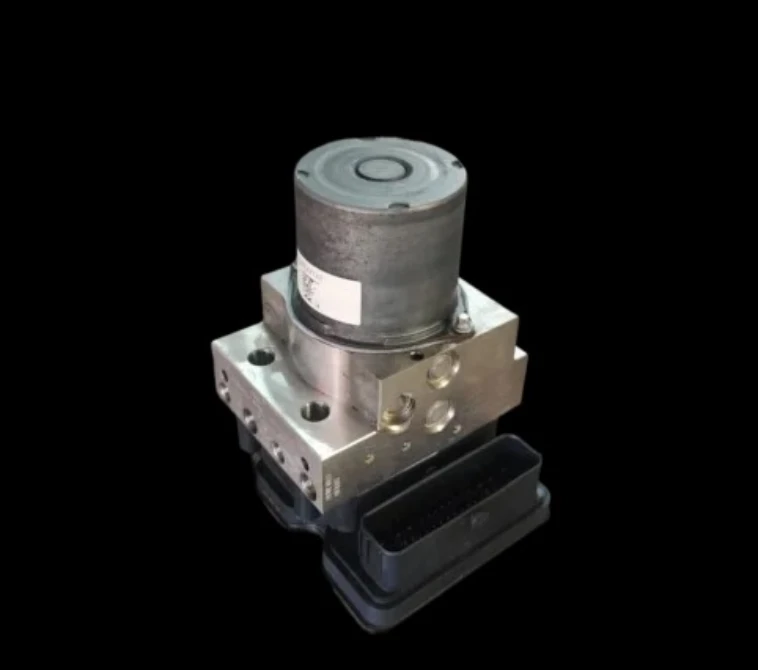

Understanding Anti-Lock Brakes: Technology That Changed Driving Forever
In the world of automotive safety, few innovations have made as significant an impact as anti-lock brakes. Commonly referred to as ABS, this braking technology has quietly transformed how drivers respond in emergencies, reducing skidding, preserving steering control, and ultimately saving lives.
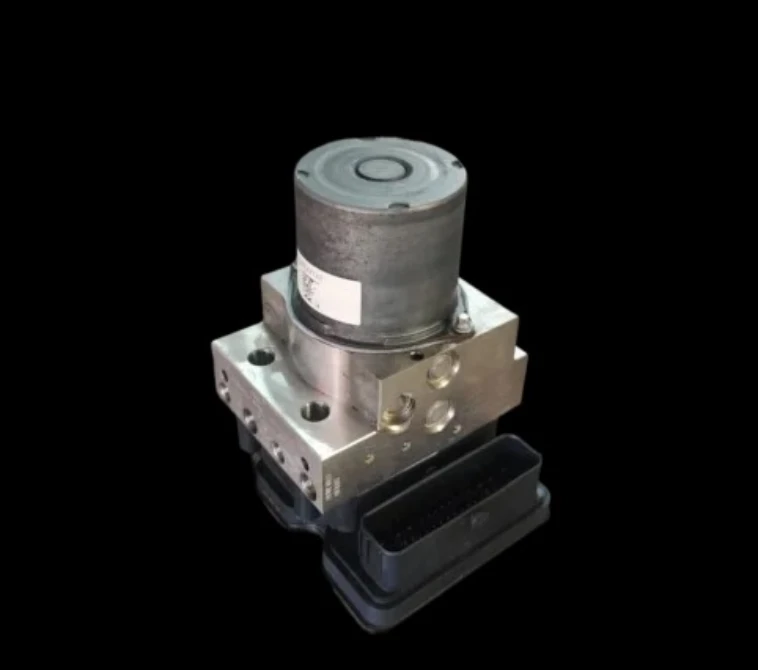
While it’s easy to take this feature for granted today, understanding how anti-lock brakes work—and why they matter—is essential for every driver. Let’s explore the technology, its benefits, and how it affects real-world driving situations.
What Are Anti-Lock Brakes?
Anti-lock brakes are a safety system designed to prevent a vehicle’s wheels from locking up during hard braking. When wheels lock, they stop rotating entirely, causing the tires to slide across the road surface. This sliding removes traction and, crucially, prevents the driver from steering the vehicle.
ABS stops this from happening. Instead of letting the wheels freeze under pressure, the system quickly pulses the brake force to maintain some wheel rotation and grip. The result is better control, more responsive steering, and improved safety in sudden stop scenarios.
The History Behind ABS
The basic concept of anti-lock braking actually predates modern vehicles. Early versions were used in aircraft to prevent wheel lock during landings. The first practical automotive ABS systems appeared in high-end cars during the 1970s and 1980s. As technology improved, it became a standard feature in most vehicles by the early 2000s, driven by its proven effectiveness in preventing accidents.
Today, anti-lock brakes are a mandatory safety requirement in many countries for new passenger vehicles.
How the System Works
The ABS setup is more complex than traditional brakes, incorporating several additional components:
- Wheel Speed Sensors: Monitor each wheel’s rotational speed.
- Electronic Control Unit (ECU): Analyzes data from the sensors to detect potential lock-up.
- Hydraulic Valves and Pumps: Regulate brake pressure on individual wheels to maintain movement.
When the system detects a rapid deceleration on one or more wheels—suggesting they’re about to lock—the ECU signals the valves to reduce pressure. Once the wheel regains speed, the pressure is reapplied. This happens rapidly and repeatedly, often up to 20 times per second, creating a pulsing sensation in the brake pedal.
Key Benefits of Anti-Lock Brakes
1. Retained Steering During Braking
One of the greatest dangers of skidding is the complete loss of steering control. ABS allows the driver to continue steering during emergency stops, which can be the difference between a near miss and a collision.
2. Improved Vehicle Stability
On uneven or slippery surfaces, ABS helps the vehicle remain straight and stable, preventing spins and maintaining traction across all wheels.
3. Enhanced Stopping Efficiency
Although ABS isn’t always faster at stopping—especially on loose surfaces—it improves stopping consistency, particularly on wet or icy roads.
4. Reduced Risk of Accidents
Statistical data from global safety agencies consistently shows that ABS-equipped vehicles are less likely to be involved in certain types of accidents, particularly rear-end and run-off-road crashes.
When ABS Matters Most
ABS proves its value in a wide range of situations:
- Sudden Obstacle Avoidance: A child runs into the street. ABS lets you brake hard while swerving around them safely.
- Rainy or Icy Roads: Reduced traction increases the risk of sliding. ABS minimizes this risk by adjusting pressure in real-time.
- High-Speed Emergencies: On the highway, unexpected braking at high speeds is safer with ABS as it prevents loss of control.
Common Misconceptions About ABS
Despite being a common feature, many drivers don’t fully understand how ABS works. Let’s clear up a few myths:
- “ABS always stops the car faster.” ABS helps in most conditions, but on gravel or snow, it might increase stopping distance slightly—though it maintains better control.
- “The brake pedal feels weird, so something’s wrong.” When ABS activates, the pedal often vibrates or pulses. That’s normal and signals the system is functioning.
- “If I have ABS, I don’t need to worry about road conditions.” ABS helps in emergencies but doesn’t replace safe driving practices. Wet, icy, or uneven roads still require caution and reduced speeds.
Driving With ABS: What You Should Know
If ABS activates during braking, you’ll likely feel rapid pulsation through the brake pedal. Your instinct might be to ease off or pump the brakes. Don’t. Just maintain firm, steady pressure. The system is working faster and more precisely than manual pumping ever could.
Also, be aware that ABS doesn’t prevent collisions caused by distraction, excessive speed, or aggressive driving. It’s a support system, not a shield.
Maintenance and Warning Signs
ABS doesn’t need constant attention, but it should be included in routine maintenance. Keep an eye on the following:
- ABS Warning Light: If this illuminates and stays on, your ABS system may be disabled. Get it checked immediately.
- Brake Fluid Level: ABS relies on hydraulic systems. Low or dirty fluid can impair performance.
- Tire Health: Uneven tire wear or mismatched tires can confuse the ABS sensors and reduce effectiveness.
Final Thoughts
Anti-lock brakes are one of the most quietly effective innovations in automotive history. Their job is simple but critical—keeping you in control when you need it most. By preventing wheel lock-up and helping maintain steering, ABS improves not only your chances of stopping in time but also your ability to avoid hazards entirely.
Whether you’re navigating city streets or cruising on the open highway, anti-lock brakes are working behind the scenes to give you the safest driving experience possible. They may not be flashy or dramatic, but they’re among the most important safety tools any vehicle can have.


























Sign in to leave a comment.