
The ABS warning light is one of those dashboard indicators that often catches drivers off guard. It’s not as commonly understood as the check engine light, but when it comes on, it signals that one of your vehicle’s key safety features may not be working properly.
To help you better understand this important light and what it means for your safety, we’ve compiled the most frequently asked questions about the ABS warning light and answered them in detail.
1. What is the ABS warning light?
The ABS warning light is a dashboard indicator that alerts you to a problem with your Anti-lock Braking System (ABS). It usually appears as a yellow or amber light that reads "ABS", often inside a circle and sometimes with parentheses or brackets.
2. What does the ABS do, and why is it important?
The ABS is a safety system that prevents your wheels from locking up when you brake hard or in slippery conditions. By preventing skidding, it allows you to maintain steering control during emergency stops. This is especially useful in rain, snow, or when braking on gravel or ice.
If the ABS system isn’t functioning, you lose that added layer of protection — and while your brakes will still work, your ability to stop safely in certain situations may be compromised.
3. Is it safe to drive with the ABS warning light on?
Technically, yes — but it’s not recommended.
If the ABS warning light is on, your standard braking system is still operational. However, without ABS:
- You could lose steering control during hard braking.
- Your stopping distance may increase.
- You may be at higher risk in slippery or emergency situations.
So while the vehicle may seem fine, it’s less safe than it should be. It’s best to diagnose and repair the issue as soon as possible.
4. What causes the ABS warning light to turn on?
There are several common triggers:
- Faulty wheel speed sensor
Each wheel has a sensor that monitors its speed. If one fails, the ABS system loses essential data and disables itself.
- Damaged sensor wiring or connectors
Exposed to moisture, debris, and road salt, these components can corrode or wear out.
- Low brake fluid
In some vehicles, low brake fluid levels will trigger both the brake warning light and the ABS light.
- Blown fuse or bad relay
If the ABS control module isn’t receiving power, it can’t function properly.
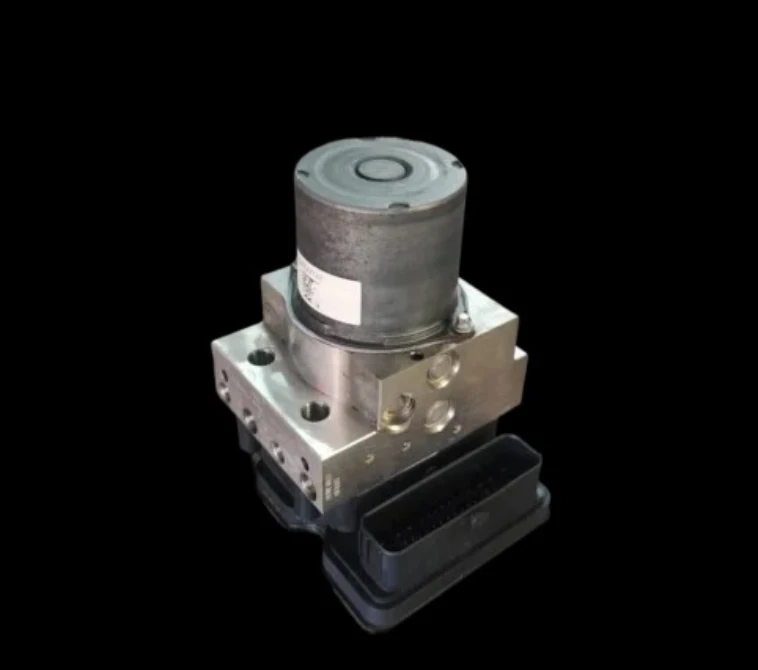
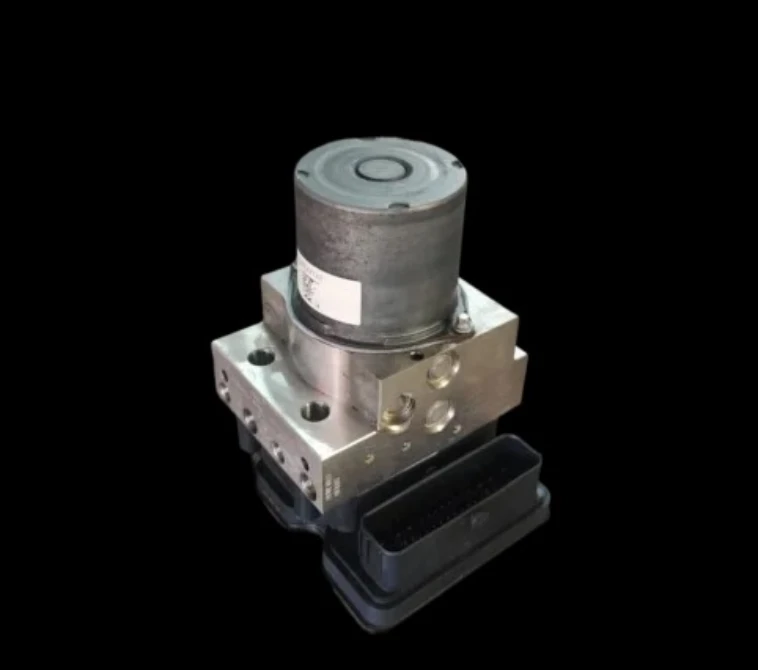
- ABS module malfunction
Less common, but more serious and costly — the module that controls the system might fail internally.
5. Can I fix the ABS light myself?
It depends on the cause and your comfort with car repairs.
Simple checks you can perform:
- Inspect brake fluid level – Top it off if it’s low.
- Look for damaged wires around wheel hubs.
- Clean sensors if dirty (if you can access them easily).
For deeper issues like sensor replacement or module repair, a professional mechanic or an advanced DIYer with the right tools may be required.
6. How can I find out what triggered the ABS light?
The best way is to use a diagnostic scan tool — preferably one that can read ABS codes. A basic OBD-II scanner can help, but some models only read engine codes. Make sure yours supports ABS diagnostics.
Many auto parts stores offer free ABS scans, or you can visit a repair shop for a full system check.
7. Will resetting the warning light solve the problem?
No — the light reflects an active issue with your ABS system. Clearing the code without fixing the underlying problem will only cause the light to come back later.
However, once the problem is resolved (e.g., a faulty sensor is replaced), the light should turn off automatically. If not, a manual reset with a scan tool may be needed.
8. What happens if I ignore the ABS light long-term?
Ignoring the ABS warning light can lead to:
- Loss of ABS function permanently, reducing vehicle safety.
- Potential failure of related systems, like electronic stability control or traction control.
- More costly repairs, if a small issue leads to component failure.
In some cases, it can even lead to MOT test failure in regions where vehicle inspections are mandatory.
9. Is the ABS warning light the same as the brake warning light?
No. They’re different indicators.
- The ABS warning light relates specifically to the anti-lock system.
- The brake warning light (usually red) could indicate low brake fluid, worn pads, or a serious issue with the main braking system.
If both lights appear together, it could signal a more severe braking system issue. Stop the vehicle and have it inspected immediately.
10. Can cold weather or rain cause the ABS light to come on?
Yes, indirectly.
Moisture and salt used to melt ice can corrode wires and connectors, especially around the wheel hubs. Also, extremely cold temperatures can cause brake fluid to contract or sensors to malfunction temporarily.
If your ABS light appears during bad weather and disappears later, have the system checked anyway — it could be an early sign of a failing sensor.
11. How much does it cost to fix the ABS light?
Costs vary depending on the problem:
- Wheel speed sensor replacement: $50–$150 per wheel (parts + labor)
- ABS module replacement: $300–$1,000+
- Brake fluid refill: $10–$30
- Diagnostics: Often free at parts stores, $50–$150 at repair shops
Getting it checked early can save money and prevent further damage.
12. Can I pass a vehicle inspection or MOT with the ABS light on?
In many regions — especially in the UK and Europe — you will fail your MOT test if the ABS warning light is illuminated. The system is considered a critical safety feature, and a malfunction must be repaired before the vehicle is deemed roadworthy.
Conclusion: Don’t Ignore the ABS Light
The ABS warning light might not feel urgent at first, especially if your car still brakes. But behind that soft glow is a potential compromise in safety that could put you and others at risk.
Whether it’s something as simple as a dirty sensor or a more serious component failure, it’s worth the effort to diagnose and repair the issue. With the help of a diagnostic scan and a bit of preventative maintenance, you can keep your ABS system — and your peace of mind — in excellent working order.


























Sign in to leave a comment.