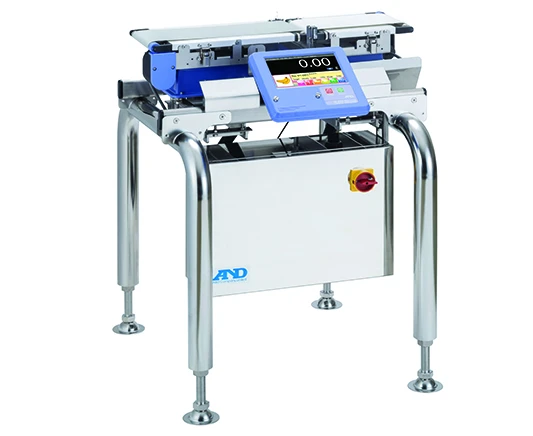

In today’s tightly regulated manufacturing and packaging landscape, ensuring that packaged products comply with legal weight and measurement standards is critical—not only to avoid penalties but also to build consumer trust. One such regulatory system, the AQS, plays a vital role in verifying the accuracy and fairness of pre-packed goods sold by weight or volume.
What Is the Average Quantity System (AQS)?
The Average Quantity System (AQS) is a regulatory framework used in Australia (and similarly in other countries like the UK and EU) to ensure that pre-packaged goods meet legal requirements for quantity declarations. The system is based on statistical sampling and allows a small margin of error, provided that the average quantity of a batch of packages meets or exceeds the declared quantity on the label.
In Australia, AQS is overseen by the National Measurement Institute (NMI) under the National Measurement Act 1960 and National Trade Measurement Regulations 2009. It applies to products sold by weight, volume, length, area, or number, and ensures that consumers receive fair value while giving packers flexibility in manufacturing.
Why Does AQS Matter?
For businesses involved in manufacturing, packaging, importing, or retailing pre-packed goods, AQS is important for several reasons:
- Legal compliance: Avoid fines, product recalls, and reputational damage.
- Consumer confidence: Ensure that buyers get what they pay for.
- Operational consistency: Support quality assurance and minimize waste.
- Market access: Required for domestic and export sales where AQS or equivalent systems are enforced.
Failing to comply with AQS can lead to regulatory action, especially if packages are found to be significantly under-filled during routine inspections or audits.
The Three Rules of AQS
AQS is built around three core rules that packaging operations must follow:
1. The Average Rule
The average contents of a sample of packages must be equal to or greater than the declared quantity on the label. This is the foundational principle of AQS.
For example, if a batch of juice bottles is labeled as containing 500 mL, then the average volume of the sampled bottles must be at least 500 mL.
2. The Tolerable Negative Error (TNE) Rule
A small number of packages in a batch may contain less than the declared quantity, but only within a limit known as the Tolerable Negative Error (TNE). The TNE is a legally defined margin below the labeled quantity that accounts for minor variation in packaging processes.
The size of the TNE depends on the product quantity and is set by regulation. For instance, a 500 g product may have a TNE of 3%, allowing a shortfall of up to 15 g in individual packages.
3. The No Unacceptable Shortfall Rule
No package in the sample may have a shortfall greater than twice the TNE. Packages that fall outside this limit are considered unacceptable, and their presence may result in batch rejection or penalties.
Together, these three rules ensure that packaging operations are fair, transparent, and accountable—protecting consumers and maintaining trust in packaged goods.
How AQS Sampling Works
Compliance with AQS is typically tested through statistical sampling. Regulators or internal quality control teams inspect a random sample from a production run or batch and check whether it satisfies the three AQS rules.
A common method is based on ISO 2859-1, which defines sampling plans and acceptance criteria. Here's a simplified overview:
- Select a sample size (e.g., 50 packages from a batch).
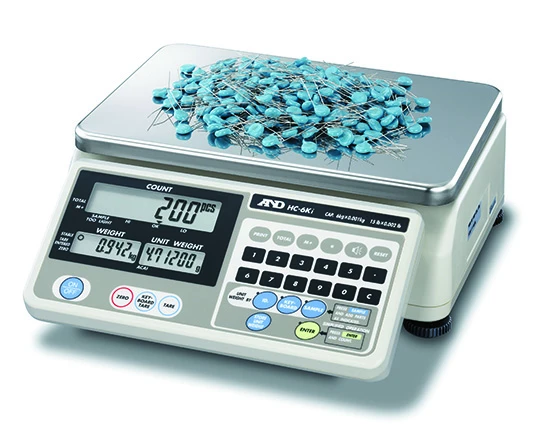
- Weigh or measure each sample package.
- Calculate the average quantity.
- Check how many packages are below TNE.
- Verify that no package exceeds twice the TNE.
If the sample passes all three checks, the batch is deemed compliant.
Best Practices for AQS Compliance
To maintain compliance with AQS, manufacturers and packers should adopt the following best practices:
1. Calibrate Equipment Regularly
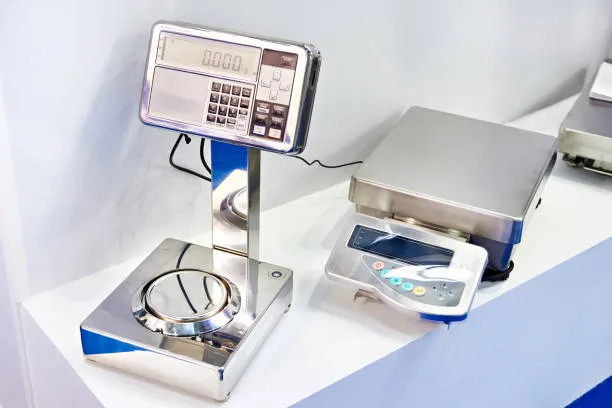
Ensure weighing and filling machines are calibrated against NMI-traceable standards. Equipment drift is a common cause of non-compliance.
2. Implement Quality Control Checks
Set up statistical process control (SPC) and conduct regular in-line checks to catch shortfalls early. Automatic checkweighers are often used to ensure consistency.
3. Use Reliable Packaging Equipment
High-precision filling systems help maintain target fill levels, reducing the risk of underfilling or overfilling.
4. Keep Records
Maintain logs of all weighing, sampling, calibration, and corrective actions. This documentation helps prove due diligence during audits or inspections.
5. Train Staff
Make sure all relevant personnel understand AQS principles and procedures. Accurate weighing and sampling depend on informed operators and quality inspectors.
6. Review TNE Tolerances
Stay updated on TNE tables and quantity declarations as published by regulatory bodies. Incorrect interpretation can lead to avoidable mistakes.
Who Needs to Follow AQS?
AQS applies to a wide range of industries, including:
- Food and beverage manufacturers
- Cosmetic and pharmaceutical companies
- Chemical and cleaning product suppliers
- Agricultural and horticultural product packers
- Retail brands that private-label goods
Whether you’re a large-scale producer or a small artisan packer, if your goods are sold by measurement, AQS likely applies.
How Is AQS Enforced?
In Australia, the National Measurement Institute (NMI) conducts routine and targeted inspections at:
- Manufacturing facilities
- Warehouses
- Retail stores
- Import and distribution centers
Inspectors use portable scales and sampling methods to assess whether products comply with AQS rules. Non-compliance may result in:
- Warnings or improvement notices
- Product recalls or withdrawals
- Fines or legal action under the National Trade Measurement Regulations
To reduce risk, many businesses partner with AQS consultants or invest in automated systems like checkweighers, data capture software, and traceable calibration equipment.
Common Myths About AQS
Myth 1: Every package must weigh exactly the declared quantity.
Fact: Individual variations are allowed, as long as the average meets the declaration and no packages fall outside TNE limits.
Myth 2: A few underfilled packages won't matter.
Fact: Even one package that exceeds twice the TNE can result in non-compliance.
Myth 3: AQS is only for big manufacturers.
Fact: AQS applies to all businesses that sell goods by measurement, regardless of size.
Final Thoughts
The Average Quantity System (AQS) is a fare and scientifically grounded approach to packaging compliance that balances consumer protection with manufacturing practicality. By understanding how AQS works and implementing robust quality control measures, businesses can ensure compliance, reduce waste, and protect their brand reputation.
Whether you’re new to AQS or looking to refine your existing processes, investing in proper training, equipment, and recordkeeping can make all the difference. In a competitive market where trust and transparency are vital, consistent AQS compliance isn’t just a regulatory requirement—it’s a business advantage.




























Sign in to leave a comment.