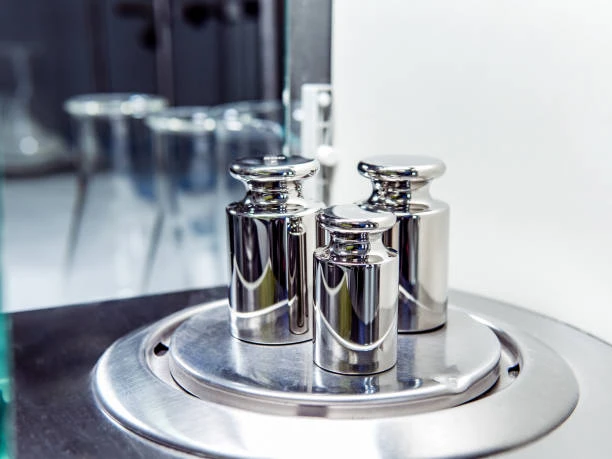

In today’s world, accuracy and precision are everything—especially in industries that rely heavily on measurements. Whether you're weighing raw materials in manufacturing, dispensing medicine in a pharmacy, or pricing produce at a grocery store, having a properly calibrated scale is crucial. But what exactly is scale calibration, and why is it so important?
What Is Scale Calibration?
Scale calibration is the process of checking and adjusting the accuracy of a weighing scale. It involves comparing the measurements from the scale to a known standard (usually certified calibration weights) and making adjustments if there are discrepancies.
The goal is to ensure that the scale is measuring weight correctly within an acceptable range of accuracy, often defined by regulatory or industry standards.
Why Do Scales Lose Accuracy?
Even the most sophisticated weighing equipment can drift out of calibration over time. Some common reasons include:
- Regular wear and tear
- Environmental factors (temperature, humidity, vibrations)
- Relocation or movement of the scale
- Overloading or impact damage
- Electromagnetic interference
These factors can cause subtle shifts in scale performance, resulting in inaccurate readings.
Why Is Scale Calibration Important?
Scale calibration may sound like a minor maintenance task, but its impact stretches far and wide. Here’s why it should be a non-negotiable part of your quality assurance and compliance program:
1. Ensures Accuracy in Measurements
The primary goal of calibration is accuracy. A properly calibrated scale ensures that the weight displayed reflects the true weight of the item being measured.
Inaccuracies—no matter how small—can lead to errors in batching, mixing, or formulation. This can affect product consistency and quality, which is especially critical in industries like pharmaceuticals, food production, and chemicals.
2. Regulatory Compliance
Many industries must adhere to strict legal and regulatory standards regarding scale calibration. For example:
- Pharmaceutical companies must comply with Good Manufacturing Practice (GMP) and FDA regulations.
- Food manufacturers often follow HACCP and ISO 22000 protocols.
- Retailers must meet trade measurement laws governed by authorities like the National Measurement Institute (NMI) in Australia.
Failing to calibrate equipment regularly can result in non-compliance, hefty fines, or even product recalls.
3. Reduces Product Giveaway or Loss
Inaccurate scales can lead to giving away more product than intended (called “product giveaway”) or under-dispensing, which can anger customers and affect brand reputation.
By calibrating your scales, you reduce these inconsistencies and protect your bottom line. In high-volume production, even a 1% error can add up to thousands in losses over time.
4. Protects Your Brand Reputation
Customers and partners expect precision. A bakery that oversells underweight bread, or a lab that delivers incorrect dosages, will quickly lose trust. Consistent calibration ensures that your products and services remain reliable, which reinforces brand integrity.
5. Supports Quality Assurance Programs
Most businesses follow some form of a quality assurance program. Accurate measurement data is essential for documenting consistency and performance over time.
Calibration plays a central role in these programs, providing the data necessary to track process efficiency, correct issues, and make informed decisions.
6. Extends the Life of Equipment
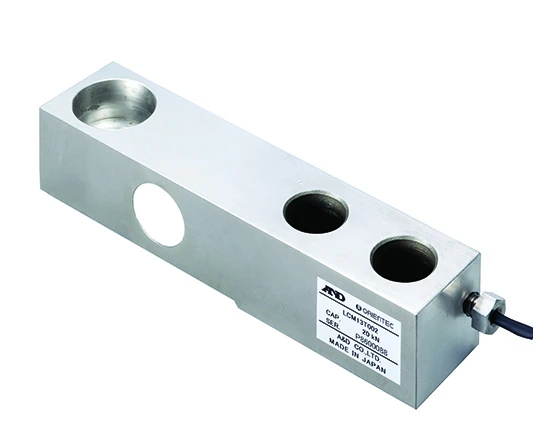
Regular calibration checks often reveal small issues before they become serious problems. Technicians may spot misalignments, load cell fatigue, or contamination early on—allowing for preventive maintenance. This proactive approach extends the life of your weighing equipment and reduces downtime.
Types of Scale Calibration
Calibration can be performed in several ways, depending on your industry and the level of precision required:
1. Internal Calibration
Some high-end scales come with internal weights that allow for automatic calibration. This is a convenient solution for labs or facilities that need frequent adjustments.
2. External Calibration
This involves using certified weights to manually calibrate the scale. It's a preferred method for high-accuracy applications, especially where traceability is required.
3. On-site Professional Calibration
Many businesses hire licensed technicians to perform on-site calibration services. These experts use traceable calibration weights and issue certificates of compliance—essential for audits.
How Often Should You Calibrate Your Scale?
There is no one-size-fits-all answer, but here are some general guidelines:
- Daily or weekly for critical applications (pharmaceuticals, labs, etc.)
- Monthly or quarterly for routine industrial or retail use
- Annually for non-critical use or based on manufacturer recommendations
Other factors like frequency of use, operating environment, and legal requirements will influence your calibration schedule.
What’s Included in a Calibration Certificate?
When you hire a certified calibration service, you’ll usually receive a calibration certificate, which includes:
- Scale model and serial number
- Date of calibration
- Technician name and accreditation
- Calibration weight values and tolerances
- Pass/fail result
- Recommendations for next calibration
Keep these certificates on file for compliance audits or quality control reviews.
Best Practices for Scale Calibration
To maintain consistent weighing accuracy, consider the following tips:
- Place the scale on a flat, vibration-free surface
- Avoid drafts, heat, and humidity
- Zero or tare the scale before each use
- Use certified calibration weights
- Train staff on proper weighing procedures
- Maintain a regular calibration schedule
- Document all calibration activities
Final Thoughts
Scale calibration is more than just a technical procedure—it’s a vital component of quality control, safety, and business efficiency. From ensuring product consistency to protecting your brand and complying with industry regulations, the benefits are far-reaching.
Neglecting calibration can result in financial losses, legal trouble, and reputational damage. But with a proper calibration plan in place, you set your business up for precision, compliance, and success.
If you're unsure about your current calibration process, consider consulting a professional calibration service or reviewing your industry’s regulatory standards. Investing in regular scale calibration is a small effort that pays off with big rewards.
























Sign in to leave a comment.