
As industries across the globe focus on sustainability and operational efficiency, automation has become a driving force behind innovation. From manufacturing to logistics, automated systems streamline processes, reduce human error, and increase productivity. However, energy consumption remains a critical concern, especially as businesses seek to cut costs and meet environmental regulations.
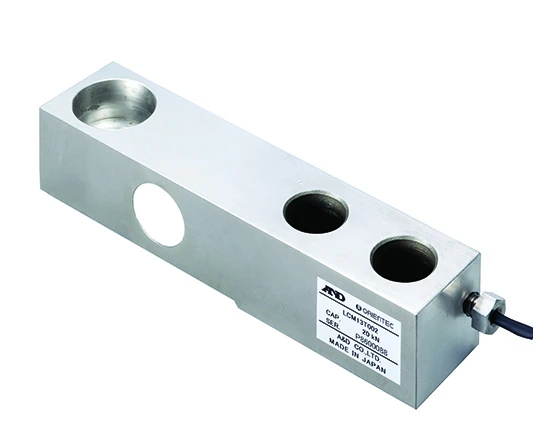
One often-overlooked component that plays a crucial role in balancing performance and energy efficiency is the load cell. These precision devices, designed to measure weight or force, have become essential in automated systems where accuracy and efficiency go hand in hand.
Understanding Load Cells in Automation
A load cell is a transducer that converts a force (such as weight or tension) into an electrical signal. Widely used in weighing applications, load cells are integral to automated systems ranging from conveyor belts and packaging machines to robotic arms and industrial presses.
In automation, load cells serve two critical purposes:
- Precision measurement – Ensuring processes operate within strict tolerances.
- Feedback control – Providing real-time data for smarter system adjustments.
By integrating load cells into automated workflows, industries can optimize performance while minimizing energy waste.
The Energy Efficiency Challenge in Automation
Automated systems are designed for speed and consistency, but without accurate measurement and control, they can become energy-intensive. Common inefficiencies include:
- Overuse of power: Machines often run longer or at higher speeds than necessary.
- Product waste: Excessive raw material use requires additional energy for production.
- Unplanned downtime: Inaccurate force measurements can cause breakdowns, leading to costly restarts.
Load cells directly address these issues by enabling precise monitoring and control, which reduces unnecessary energy consumption.
How Load Cells Improve Energy Efficiency
1. Reducing Overproduction and Material Waste
In industries such as food processing, pharmaceuticals, and packaging, accurate portion control is vital. Load cells ensure that each package, container, or product uses the correct amount of material.
For example, in a food packaging line, without load cell precision, excess product may be dispensed into packages. This not only wastes raw material but also consumes extra energy in production and storage. By preventing overfilling, load cells cut waste and reduce the energy footprint of the entire process.
2. Optimizing Motor Usage
Load cells provide real-time feedback on force or weight, allowing automated systems to adjust motor power dynamically. Rather than running motors at full capacity, load cells enable them to operate at just the required level.
For instance, in a conveyor belt system, load cells measure the load being transported. If the weight is light, the system can reduce motor output, saving energy. This adaptive control reduces overall power consumption without compromising throughput.
3. Enhancing Predictive Maintenance
Unexpected machine breakdowns can be highly energy-intensive, often requiring full system restarts. Load cells improve predictive maintenance by detecting anomalies such as unusual force patterns, strain, or misalignments.
By identifying issues early, load cells help prevent sudden stoppages, reducing wasted energy and downtime. This contributes not only to energy efficiency but also to higher equipment lifespan and reliability.
4. Minimizing Heat and Friction Losses
In manufacturing, excessive force can generate unnecessary heat and wear, leading to increased energy usage for cooling systems and repairs. Load cells ensure that machines operate within optimal force parameters, reducing friction, overheating, and energy loss.
For example, in metal forming or injection molding, applying just the right amount of pressure avoids excess energy use while ensuring quality output.
5. Supporting Smart Automation and IoT Integration
Modern automation systems are increasingly integrated with IoT (Internet of Things) platforms, where data is key to optimizing efficiency. Load cells act as data sources, continuously feeding precise information into these systems.
This data can be used for:
- Adjusting power levels in real time.
- Predicting peak energy usage and redistributing loads.
- Automating shut-offs when systems are idle.
By providing actionable insights, load cells empower industries to make energy-conscious decisions.
Industry Applications of Load Cells for Energy Efficiency
Manufacturing
In automotive and aerospace manufacturing, load cells ensure precise force application during assembly, reducing rework and wasted energy.
Food & Beverage
Load cells help maintain strict portion control, preventing overproduction and lowering refrigeration and storage energy demands.
Logistics & Warehousing
Conveyor systems and automated sorters use load cells to adjust speed and power based on load weight, cutting electricity consumption.
Renewable Energy
In wind turbines and solar trackers, load cells measure stress and optimize positioning systems, ensuring maximum efficiency with minimal energy waste.
Construction & Heavy Industry
Cranes, hoists, and presses use load cells to prevent overload and optimize lifting energy, improving safety while reducing unnecessary power usage.
Environmental and Economic Benefits
The contribution of load cells to energy efficiency extends beyond immediate cost savings. They also align with broader sustainability goals:
- Lower carbon footprint: Reduced energy consumption directly translates to fewer emissions.
- Regulatory compliance: Many industries face strict energy and waste reduction targets.
- Long-term savings: Improved equipment efficiency lowers utility bills and extends machinery lifespan.
- Competitive advantage: Businesses showcasing sustainable practices can attract environmentally conscious clients and partners.
Case Example: Load Cells in Packaging Automation
Consider a beverage manufacturer running high-speed filling lines. Without load cells, bottles may be inconsistently filled, leading to product waste and customer dissatisfaction. Overfilling also requires producing more beverage than necessary, consuming more raw materials, water, and energy.
By integrating load cells into the filling process, each bottle receives the exact intended volume. The result:
- Reduced waste of ingredients.
- Lower energy usage in production and refrigeration.
- Higher customer satisfaction with consistent product quality.
Over a year, these small improvements can save thousands of kilowatt-hours of electricity and significantly reduce operating costs.
The Future: Smarter, Greener Automation
As industries embrace Industry 4.0 and smart factories, load cells will continue to play an increasingly important role in energy-efficient automation. With advancements in sensor technology, wireless connectivity, and AI-powered data analysis, load cells will evolve from simple measurement devices into critical components of sustainable energy management systems.
Future developments may include:
- Self-calibrating load cells for reduced downtime.
- Wireless energy monitoring integration for more streamlined systems.
- AI-driven optimization that uses load cell data to predict and minimize energy peaks.
These innovations will further cement load cells as essential tools for businesses aiming to balance efficiency with environmental responsibility.
Final Thoughts
Energy efficiency is no longer just a cost-saving measure—it’s a necessity for businesses committed to sustainability and competitiveness. While often overlooked, load cells are vital contributors to energy-efficient automation. From reducing waste and optimizing motor usage to enabling predictive maintenance and supporting smart automation, their impact is both immediate and long-lasting.
By integrating load cells into automated systems, industries can save energy, lower costs, and reduce their environmental footprint—all while improving performance and reliability. As technology continues to advance, load cells will remain at the heart of sustainable, intelligent automation.
In short, if your business is serious about energy efficiency and sustainability, investing in load cell-enabled automation isn’t just smart—it’s essential.





























Sign in to leave a comment.