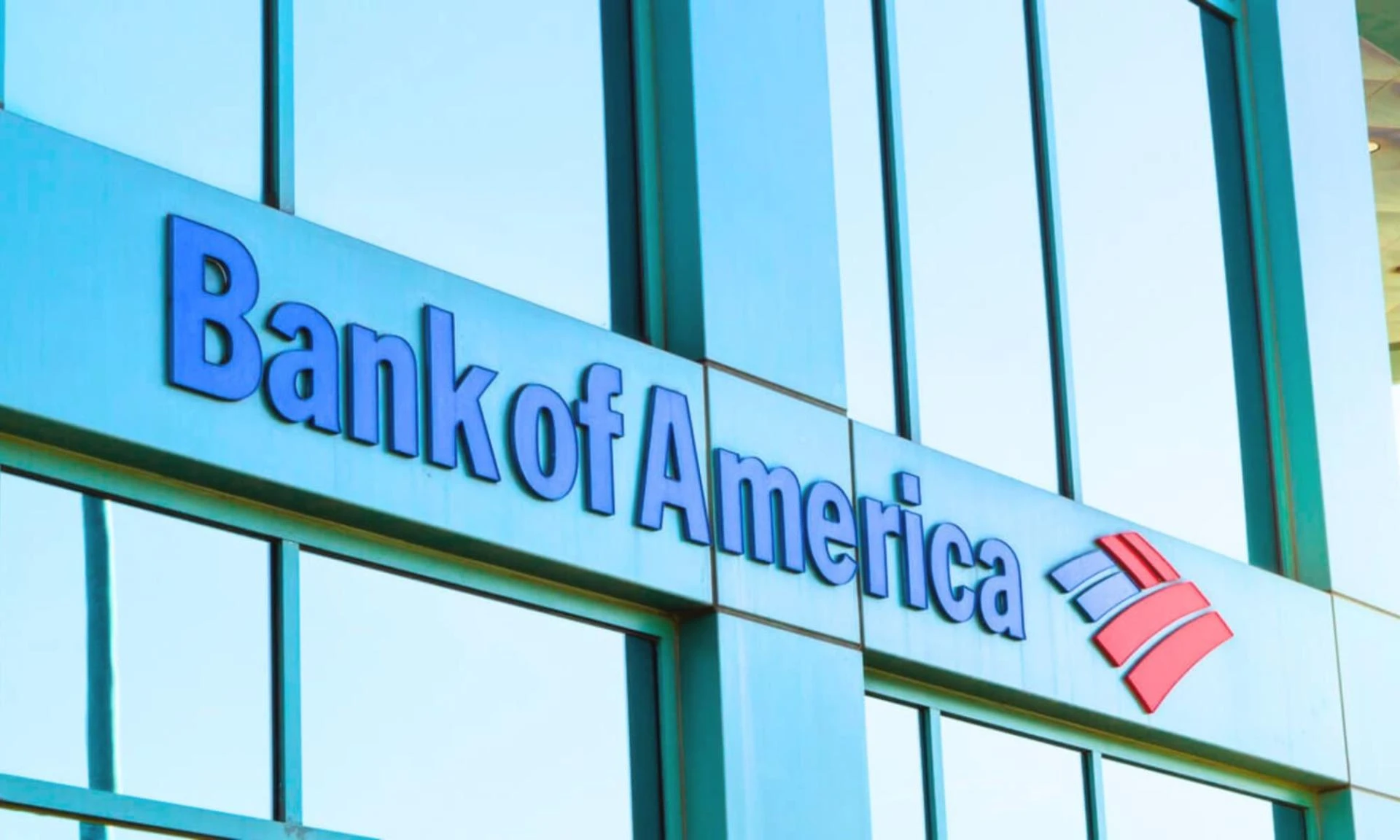

In the ever-evolving landscape of banking, understanding the branch network of a leading institution like Bank of America real estate is crucial for both consumers and investors alike. The bank’s expansive reach is not merely a reflection of its size but a strategic maneuver that intertwines with its real estate investments. By analyzing the structure of its branch network, one can gain insights into the bank’s operational efficiencies, market strategies, and how it adapts to changing customer needs in a digital age.
The Historical Context of Bank of America’s Branch Network
To appreciate the current state of Bank of America’s branch network, it is pivotal to delve into its historical context. Founded in 1904, the bank has grown from a modest financial institution serving local communities to a colossal entity with thousands of branches across the United States. This expansion is not just about numbers; it reflects a commitment to accessibility and customer service. Historically, branches served as the primary touchpoints for customers, offering a range of services from personal banking to investment advice.
However, in recent years, the rise of digital banking has prompted a reevaluation of this traditional model. With more customers opting for online transactions, Bank of America has strategically adjusted its branch footprint. This shift includes closing underperforming branches while simultaneously investing in locations with high foot traffic. By analyzing demographic data and customer behavior, the bank has optimized its presence, ensuring that each branch serves a distinct purpose in its broader business strategy.
The Strategic Importance of Bank of America’s Real Estate Holdings
Bank of America’s real estate portfolio is a crucial component of its overall strategy, influencing not only its branch locations but also its financial health. The bank owns a significant amount of commercial real estate, which serves as both operational sites and investment vehicles. By owning properties rather than leasing them, Bank of America can exert greater control over its operational costs and reduce long-term liabilities.
In the context of its branch network, the bank’s real estate decisions are informed by various factors, including market trends and consumer preferences. For example, urbanization has led to an influx of people in metropolitan areas, prompting the bank to open branches in high-density locations. These branches are often designed with modern aesthetics and technology to enhance customer experience, reflecting the bank’s commitment to innovation.
Moreover, Bank of America’s strategic real estate investments extend beyond traditional branches. The bank has engaged in partnerships to develop mixed-use properties that combine residential, commercial, and retail spaces. Such developments not only serve the bank’s business interests but also contribute to community revitalization, showcasing the institution’s role as a responsible corporate citizen.
Adapting to the Digital Age: The Evolution of the Branch Network
As consumer behavior shifts toward digital banking, Bank of America has not abandoned its branch network; rather, it has transformed it. The bank recognizes that while online services are convenient, there remains a significant portion of the population that values in-person interactions. Consequently, Bank of America has redefined the role of its branches to serve as financial hubs where customers can access personalized services, financial advice, and educational resources.
This evolution is evident in the design and functionality of newer branches. Many locations now feature open layouts, self-service kiosks, and dedicated spaces for consultations with financial advisors. These changes reflect a broader trend in banking where the focus is on creating an engaging customer experience rather than merely facilitating transactions.
Additionally, the integration of technology within branches has enhanced operational efficiency. For instance, the use of data analytics allows the bank to monitor branch performance, customer foot traffic, and service delivery. This information enables Bank of America to make informed decisions about staffing, service offerings, and branch hours, ultimately leading to improved customer satisfaction.
The Role of Community Engagement in Branch Operations
Community engagement is a cornerstone of Bank of America’s branch strategy. The bank understands that its success is intertwined with the communities it serves. As such, it actively participates in local initiatives, from financial literacy programs to community development projects. This commitment not only strengthens the bank’s reputation but also fosters trust and loyalty among customers.
In many branches, employees are encouraged to engage with local organizations and support initiatives that align with the bank’s values. For example, financial education workshops may be held to empower individuals with the knowledge needed to make informed financial decisions. By positioning itself as a community partner, Bank of America enhances its brand image while fulfilling its corporate social responsibility.
Moreover, the bank’s community engagement efforts are often reflected in its real estate strategy. By investing in neighborhoods that are undergoing revitalization, Bank of America not only supports local economies but also positions itself strategically for future growth. This symbiotic relationship between the bank and the community illustrates a forward-thinking approach that benefits both parties.
Conclusion
Understanding Bank of America’s branch network and its real estate strategy provides valuable insights into the bank's operational philosophy and market positioning. The bank’s commitment to optimizing its branch locations, coupled with its strategic real estate investments, positions it well in an increasingly competitive landscape. As consumer preferences continue to evolve, Bank of America’s adaptability and focus on community engagement will likely play a critical role in its ongoing success.
For those interested in diving deeper into market trends and insights, NNN Trends by Equity CRE offers a wealth of resources to help you stay informed and make strategic real estate decisions. Whether you’re an investor or a consumer, understanding these trends is essential for navigating the complex world of finance and real estate. Don’t miss out—explore our offerings today!






























Sign in to leave a comment.