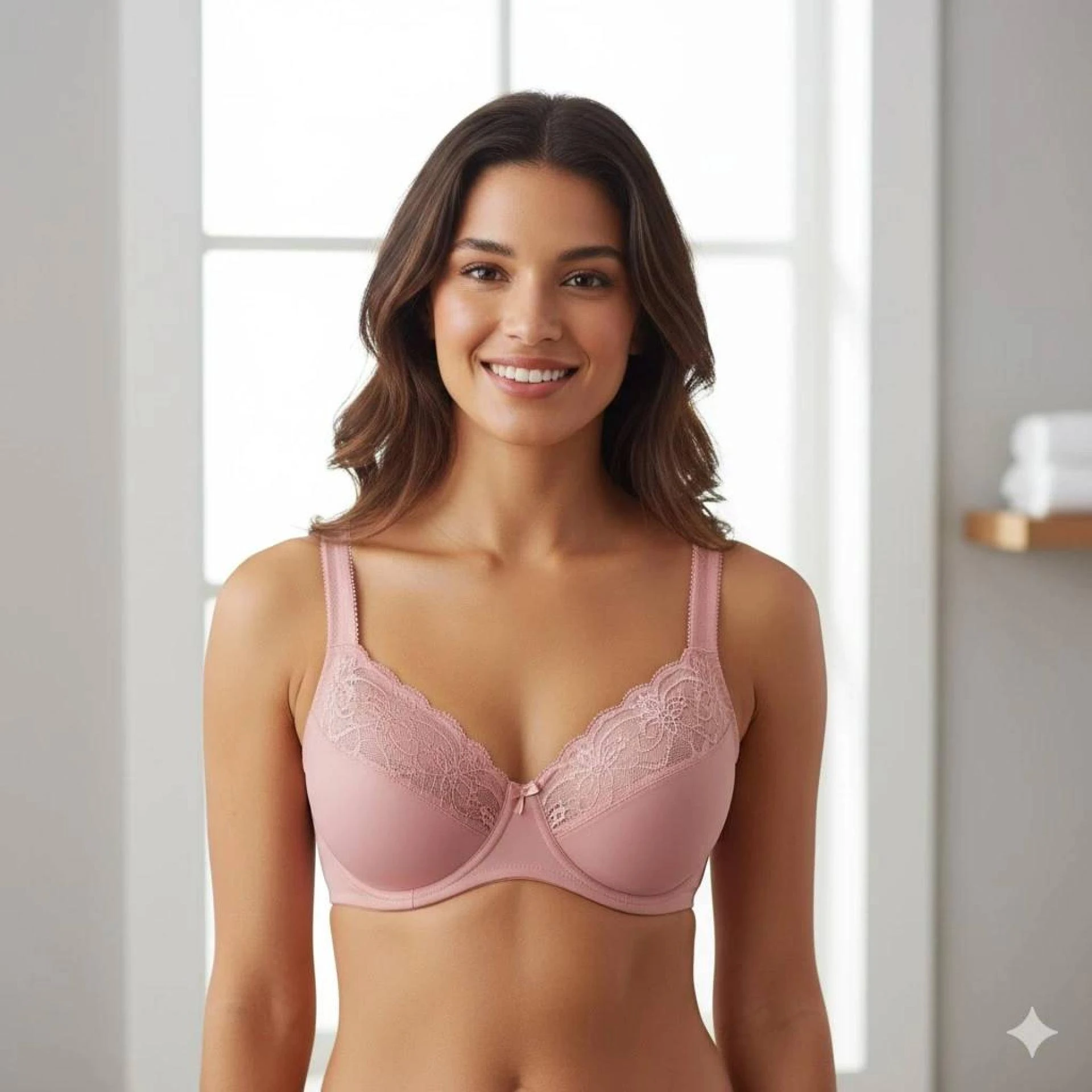

Imagine this: you’re standing in a lingerie store, staring at rows of bras. Lace. Cotton. Sports bras with names you can’t even pronounce. And there it is—the C cup. It seems simple, right? But here’s the thing: “C cup” isn’t a universal, one-size-fits-all measurement. It’s fluid. Contextual. And for many, it’s both empowering and confusing.
And honestly, that confusion isn’t your fault. Even the fashion industry struggles to define it consistently. Sizes shift between brands, countries, and styles. And yet, the C cup has become a cultural benchmark—a “middle ground” that’s neither too small nor too large. But what does that really mean? Let’s dig deeper.
What is a C Cup Anyway?
The Basics of Bra Sizing
To understand a C cup, you first need to know how bra sizes work. A bra has two components:
- Band size – The number around your ribcage.
- Cup size – The letter that corresponds to breast volume.
So a 34C means your band measures approximately 34 inches around, and the “C” refers to the cup volume. But—and this is key—a C cup on a 32 band is smaller than a C cup on a 38 band. Yes, same letter. Different volume. Confusing, right?
And here’s the thing: cup sizes aren’t absolute. They scale with the band. Experts call this the “sister size” phenomenon. A 34C is almost the same volume as a 36B or a 32D. So while the letter gives a hint, it doesn’t tell the whole story.
C Cup Dimensions: Rough Numbers
Here’s a quick reference (in inches) for standard U.S. sizing:
Band SizeBust Measurement for C CupApprox. Difference from Band3235+3 inches3437+3 inches3639+3 inches3841+3 inches
So technically, a C cup adds about three inches to the band measurement. But some brands fudge these numbers. European brands, for example, often size a bit differently. And Asian sizing? Even more variance.
The Popularity of the C Cup: Why It’s Considered “Average”
Cultural Perception
Let’s talk about the elephant in the room: the C cup has a social narrative. Media, fashion magazines, even Hollywood—it often portrays C cups as “perfectly proportioned.” Not too small, not too large. Approachable. Comfortable.
And women feel this pressure. “Is my C cup big enough?” “Am I too small?” “Am I too large?” Society tends to overcomplicate the simple fact that breasts, like bodies, come in all shapes and sizes.
Statistical Snapshot
Here’s an interesting fact: a 2017 survey by the lingerie brand ThirdLove found that C cups are among the most common bra sizes sold in the U.S., accounting for roughly 33% of women’s bras purchased. That’s huge. So while it feels like a cultural ideal, it’s also statistically common.
How to Know If You’re a C Cup
Step 1: Measure Your Band
Grab a soft measuring tape. Wrap it snugly around your ribcage, just under your bust. Keep it level. Not tight. Not loose.
- If the measurement is even, add 4 inches to get your band size.
- If it’s odd, add 5 inches.
Example: Your ribcage measures 32 inches. Add 4. Your band size is 36.
Step 2: Measure Your Bust
Wrap the tape around the fullest part of your bust. Keep it loose enough to breathe but tight enough to get an accurate reading.
Step 3: Calculate Cup Size
Subtract the band measurement from your bust measurement:
- 1 inch = A cup
- 2 inches = B cup
- 3 inches = C cup
- 4 inches = D cup
So if your band is 34 inches and your bust is 37 inches, congratulations—you’re a C cup.
Common Myths About C Cups
Myth 1: C Cups Are “Average” and Boring
Nope. And honestly, that’s insulting. Every breast size has unique challenges and aesthetics. 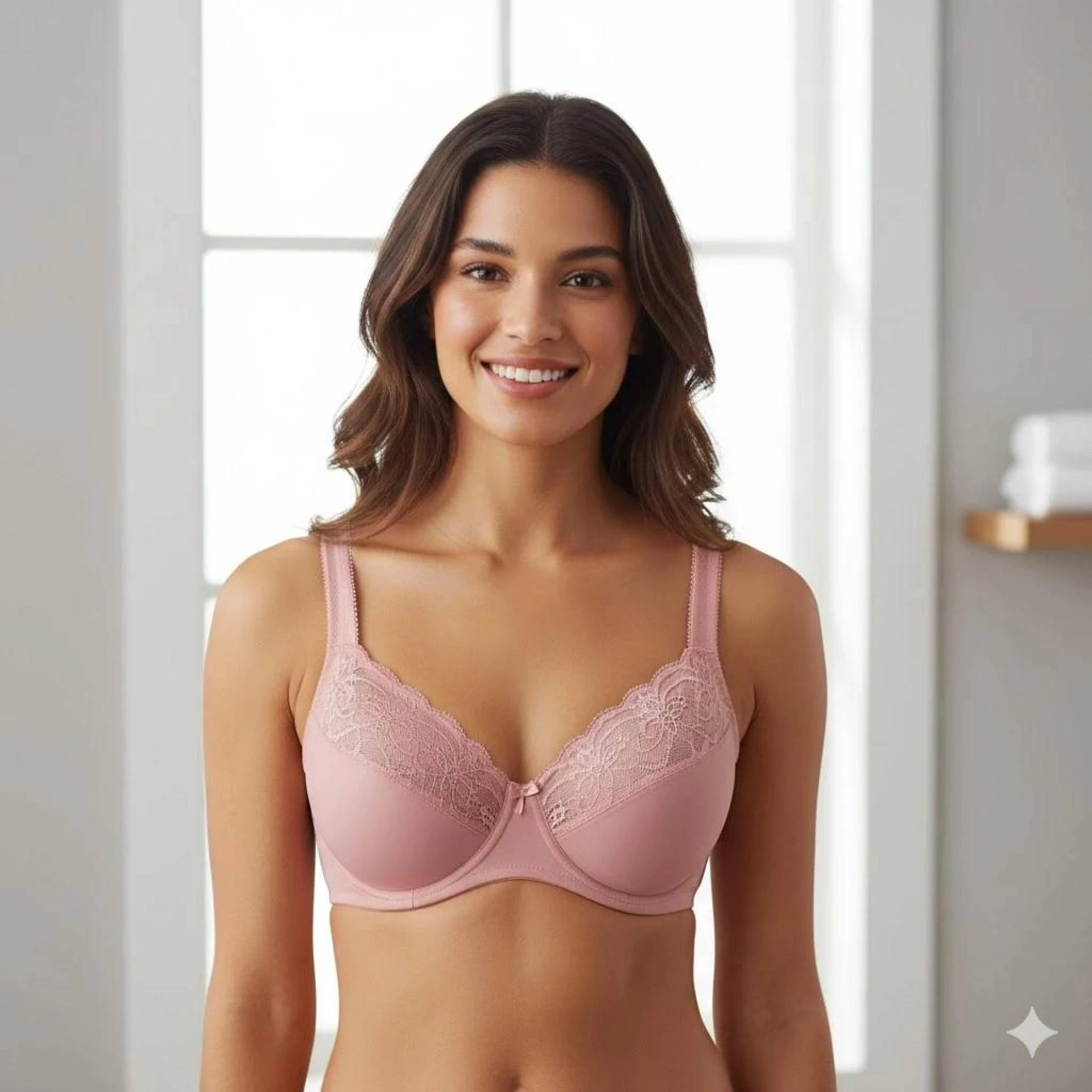 are versatile—they fill clothes well, but they also need support. They’re a size that requires care, just like any other.
Myth 2: All C Cups Look the Same
Different body types. Different shapes. Side profiles. Cleavage. Placement. A 34C looks different from a 36C, a 32C, or a 38C. And that’s before we even get into tissue density or firmness.
Myth 3: C Cups Don’t Need Special Bras
False. A good fit matters at every size. Sports bras, strapless bras, push-ups—they all need to account for cup volume. And a C cup can definitely benefit from proper support to avoid sagging or discomfort.
Health and Comfort Considerations
The Role of Support
Did you know? Poorly supported C cups can lead to back pain, shoulder strain, and posture issues. You might think this only applies to bigger sizes, but any cup can suffer from an ill-fitting band or strap.
Tips:
- Look for wide straps.
- Consider underwire for added lift (or a well-designed wireless bra).
- Avoid bands that ride up—they indicate the bra isn’t snug enough.
Exercise and Activity
Sports bras are non-negotiable. Running, jumping, or HIIT workouts without support can stretch ligaments. And here’s a fun fact: some women with C cups actually experience more bounce than D or DD cups because the tissue distribution differs.
Style and Fashion Tips for C Cups
Clothing Fit
C cups often fill tops nicely without overstuffing. But style matters:
- V-necks and scoop necks: Flattering, elongates the torso.
- High-neck tops: Can sometimes make the bust look fuller than intended.
- Button-downs: Go a size up or choose stretchy fabrics to avoid gaping.
Bra Styles That Work Well
- T-shirt bras: Smooth, seamless, everyday staple.
- Balconette bras: Great for enhancing cleavage.
- Push-up bras: Optional, but can boost shape in fitted clothes.
The Psychological Impact of Cup Sizes
Breast size affects more than wardrobe. It affects confidence. Self-image. Even relationships. Studies show that many women tie self-worth to perceived body ideals, and the “C cup” narrative plays into that.
And here’s the kicker: the obsession with size can overshadow health, comfort, and personal preference. Choosing a bra should prioritize fit, not cultural expectation.
Global Differences in C Cup Sizing
Sizing conventions vary worldwide.
- U.S. vs. U.K.: The letters are the same, but bands differ. A U.S. 34C ≈ U.K. 34C. Check brand charts.
- Europe: Uses centimeters; a 75C ≈ 34C in the U.S.
- Asia: Smaller average cup sizes; a Japanese C cup can look smaller than a Western C cup.
It’s why online shopping can be so frustrating. And why measuring yourself is crucial.
Real-Life Stories
Consider Jessica, 28, a graphic designer. She always thought she was a B cup, but measurements revealed she was a C. She switched bras, suddenly her shirts fit better, her posture improved, and she felt more confident in tank tops. Small change. Huge impact.
Or Maya, 35, who struggled with sports bras. She wore the wrong band size for years. Once she found her correct C cup fit, she finally ran 5Ks comfortably. And here’s the thing—it changed how she felt about exercise entirely.
Common Mistakes Women Make With C Cups
- Wearing a band that’s too loose.
- Ignoring strap adjustment.
- Choosing style over support.
- Not updating size—weight changes, pregnancy, or age affect fit.
- Buying bras off intuition instead of measurements.
Quick takeaway: measure first, try second. Always.
Future Trends in C Cup Bras
- Sustainable fabrics – Recycled lace and cotton blends.
- Custom sizing tech – AI-driven bra fit recommendations.
- Inclusive marketing – Moving beyond the “perfect” cup narrative.
The industry is slowly recognizing that a one-size-fits-all mentality doesn’t work, and C cups will always have a starring role.
Conclusion: Rethinking the C Cup
So, C cups aren’t just a number. They’re a story. A mix of anatomy, culture, fashion, and personal confidence. If you’ve ever felt self-conscious about your C cup—or maybe obsessed over whether it’s “enough”—remember: it’s common, versatile, and normal. And more importantly, your comfort and health should always come first.
Think of it as armor. Fit matters. Support matters. And finally, owning your size? That’s power.
FAQs About C Cup Sizes
1. Are C cups considered large or small?
C cups are generally considered medium—larger than A or B, smaller than D and beyond. But perception varies by culture.
2. How do I measure myself accurately for a C cup?
Measure your band under the bust, your fullest bust point, subtract, and use the difference to determine your cup.
3. Can C cup sizes change over time?
Absolutely. Pregnancy, weight change, and aging affect size and shape.
4. Do all C cups look the same?
Nope. Body shape, band size, and breast density make every C cup unique.
5. What bra styles suit C cups best?
T-shirt bras, balconettes, push-ups, and supportive sports bras. Comfort first, style second.
6. Are there health concerns with C cups?
Support matters. Poorly fitted bras can cause back pain, posture issues, and discomfort.
7. Is it common for women to wear the wrong C cup?
Yes. Surveys show 70% of women wear the wrong bra size at some point.
8. How do I know my sister size?
Shift band up or down two sizes and adjust cup accordingly (e.g., 34C → 32D or 36B).
9. Are C cups standard globally?
Not exactly. Sizes vary across countries, brands, and measurement systems.
10. Can C cups appear different in clothes?
Definitely. Tops, fabrics, and cuts all affect appearance.
11. Should I invest in multiple C cup bras?
Yes. Different occasions need different support, shapes, and comfort levels.
12. Will a C cup sag more than other sizes?
Not inherently. Proper support and healthy habits matter more than size alone.speromagazinehub.com




























Sign in to leave a comment.