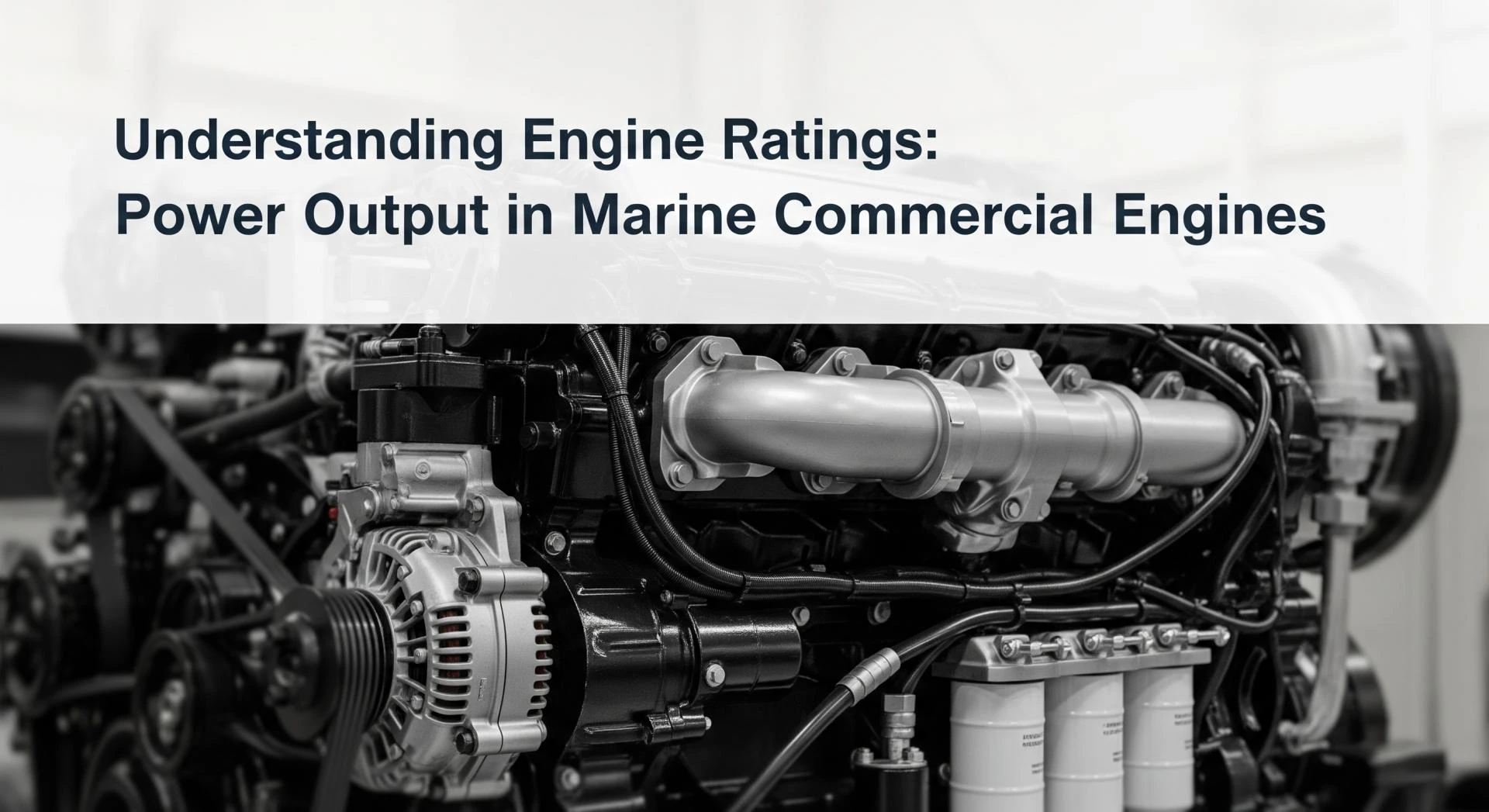

In the world of marine transport, reliability and performance are non-negotiable aspects. From cargo carriers to offshore vessels, the marine engine is the powerplant behind safety and work-efficiency. Among the technical specifications that influence marine engine selection, engine rating stands out as a critical performance benchmark.
Still, many marine professionals, operators, and buyers often overlook or misinterpret what engine ratings really means. This leads to operational inefficiencies or premature engine failure. In this blog, you will get to know the fundamentals of marine commercial engine ratings and how they influence power output, usage, and long-term reliability.
What Actually Are Engine Ratings?
Engine rating is a specific power output category where an engine is designed to deliver, considering operational uptime, load factor, and thermal limits. It helps to determine how long and how efficiently an engine can run without compromising reliability.
For a marine commercial engine, the primary rating categories are:
- Continuous Duty Rating: For engines operating with constant or balanced load for prolonged times (e.g., large ocean-going vessels).
- Heavy-Duty Commercial Rating: Suitable for variable loads and is apt for long daily operations, such as tugboats and trawlers.
- Intermittent Duty Rating: For applications with regular breaks and moderate loads (e.g., pilot boats).
- Maximum or Emergency Rating: Short bursts of peak power for emergency maneuvers or limited high-load usage.
Why Engine Ratings Matter in Marine Operations
When you are in the marine industry, the right engine rating selection is more than just about technicalities. It is a strategic choice. A mismatch between an engine’s rating and its actual usage can result in:
- Overheating and premature wear
- Sub-optimal fuel efficiency
- More frequent maintenance required
- Potential safety risks at sea
For example, when you use an intermittent-rated engine for continuous offshore operations, it may deliver higher power initially but will ultimately reduce engine reliability and escalate lifecycle cost.
Best Practices To Select the Right Marine Engine Rating
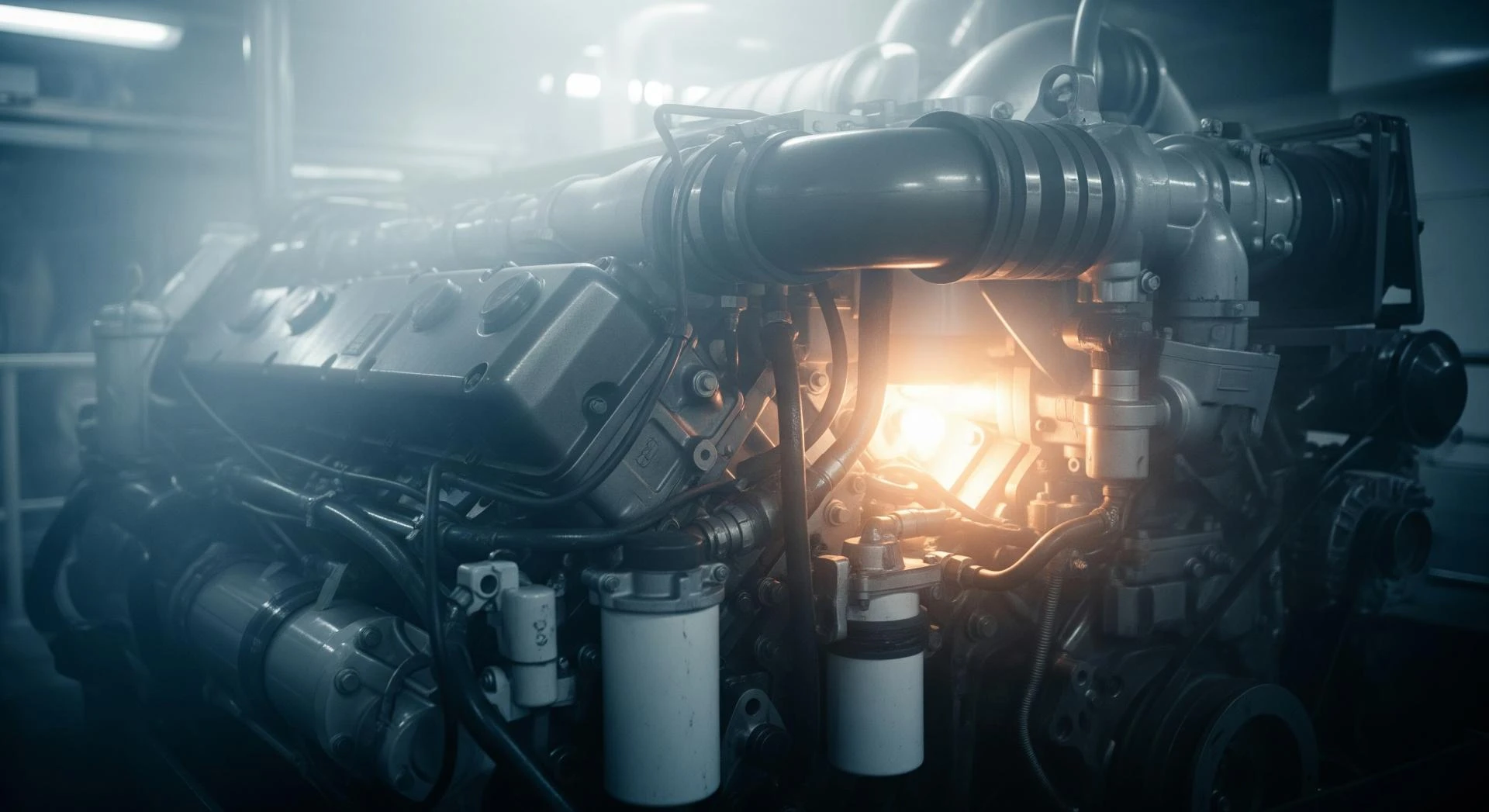
In order to choose the right marine commercial engine rating, you need to::
Evaluate the vessel's operating profile: Understand daily hours of operation, load patterns, and voyage duration.
Refer to OEM documentation: Manufacturers include detailed rating charts and application guidelines.
Factor in future expansion or duty shifts: A vessel’s role may change with time—so flexibility is a must.
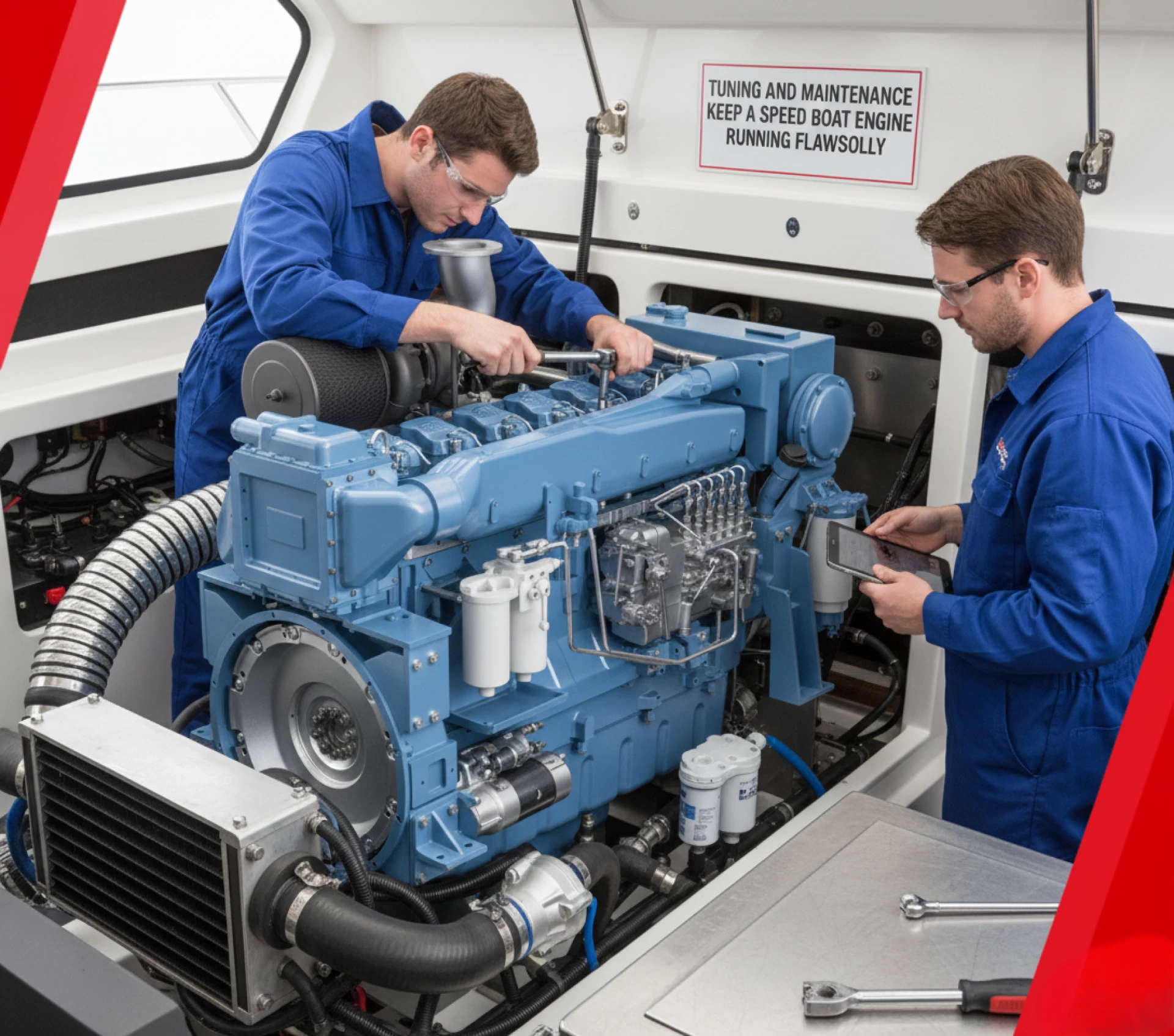
Work with certified marine engineers: Their insights ensure the engine is correctly assembled and installed.
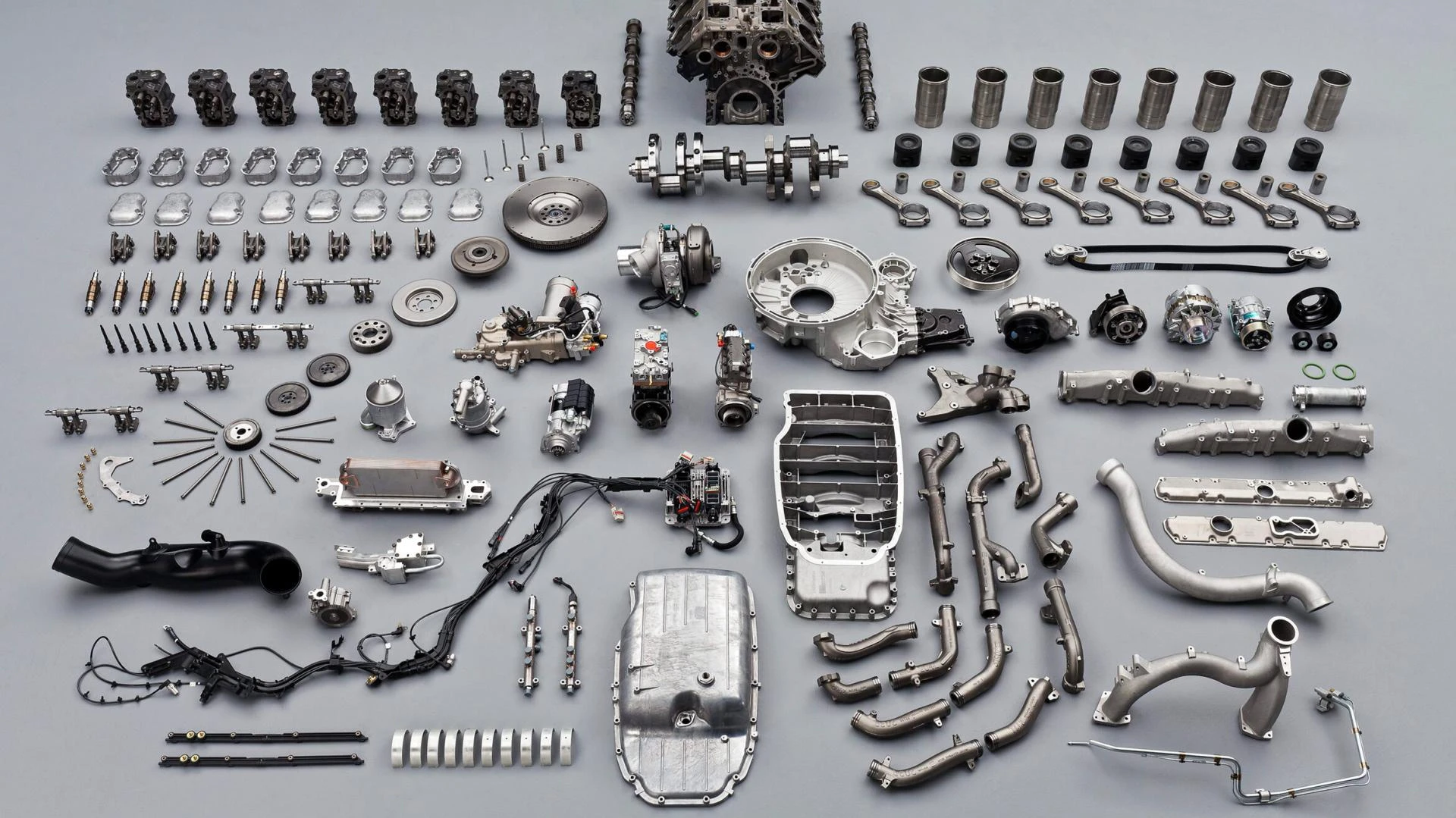
You may read: Marine Engine Spare Parts Checklist for Emergencies
Bottom Line
In the marine industry, where downtime can mean thousands of dollars lost, understanding engine ratings isn't a technical luxury — it’s a necessity. When you match your engine’s rating to your vessel's specific duty cycle, you’re not just optimizing fuel and performance, you're safeguarding your investment, your crew, and your operations.
It's the quiet strength behind every successful voyage, So, choose it wisely.






























Sign in to leave a comment.