
Some of the toughest situations in marine operations don't happen during storms. They happen when an engine fails and there's no one around for hundreds of miles. You're mid-route. Everything's riding on performance—and then it stalls. Crews rush to identify the issue, but the right part isn't on board. That's when panic sets in. Because at sea, every second matters. There's no calling for a tow, no overnight courier to the middle of nowhere.
What causes these breakdowns? It's not always bad maintenance. Often it's a single failed part. Something small. Something overlooked. The truth is, many marine engines work under punishing conditions. Salt, humidity, extreme heat, and long operating hours—all of it wears components down faster than expected. The result? Engines give out without warning. That's why having the right engine spare parts on hand during emergencies is more than a backup plan. It's a way to stay in control when things go sideways.
Marine Engine Spare Parts You Need During Emergencies
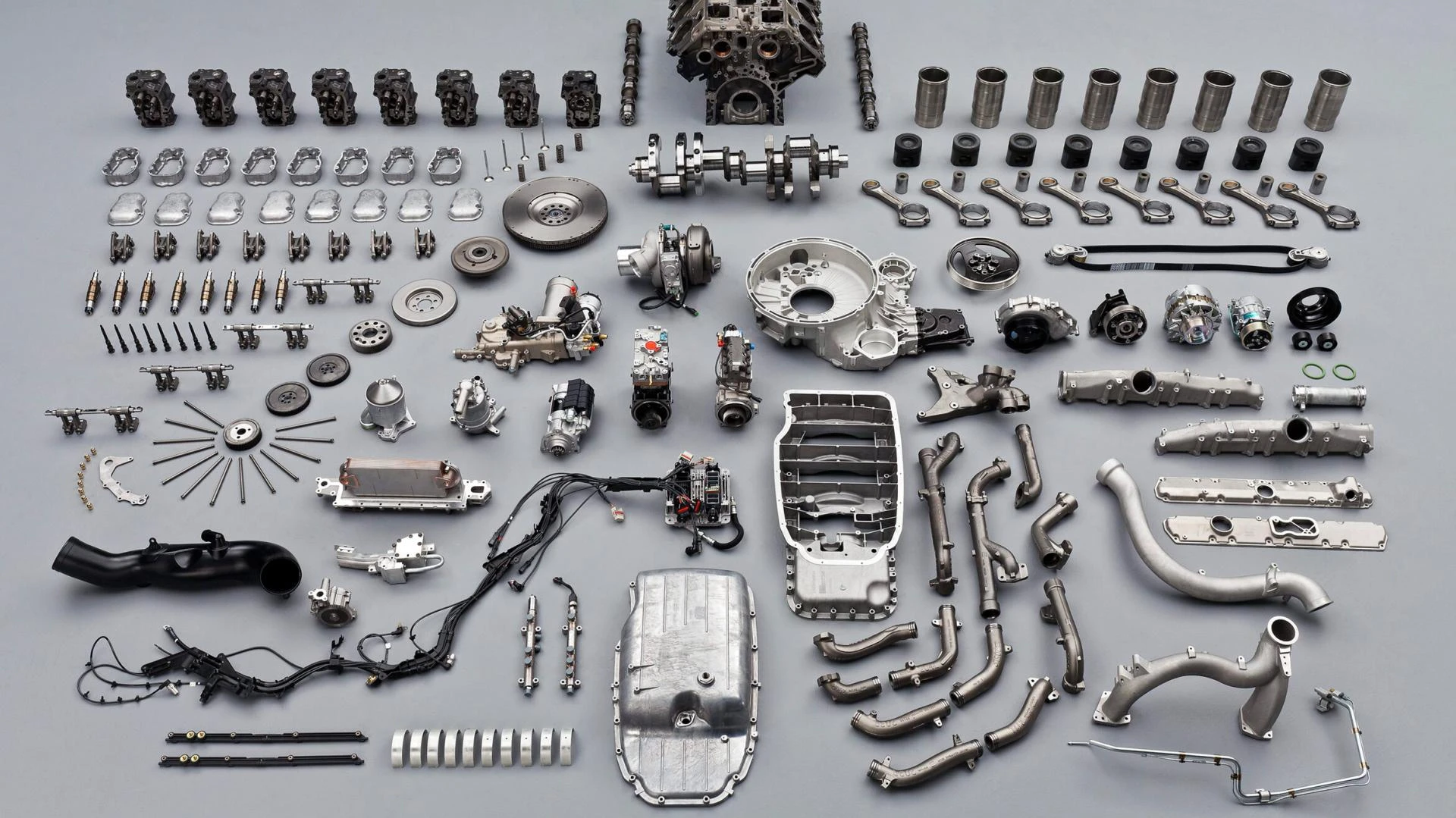
Fuel Injection Parts (Pumps and Injectors)
Every combustion cycle starts here. Fuel injectors and pumps are central to keeping diesel and gas engines running smoothly. But they're exposed to so much wear, especially with long-distance operations. Internal deposits, heat expansion, and contaminated fuel can all compromise them. And when that happens, misfiring or reduced power is just the beginning.
Having spare injectors or pumps that match your engine model can save hours of delay. These aren't generic replacements—they must fit and function with the same precision. Keeping them in your emergency kit is a safeguard against total shutdowns in unpredictable conditions.
Gaskets and Seals
They seem simple. But damaged gaskets or worn-out seals are one of the most common causes of marine engine leaks. Oil, coolant, and air leaks can all throw off engine balance and performance, especially under pressure.
You'll want a complete set of seals and gaskets specific to your engine. These should be pre-packed and inspected regularly. In emergencies, the difference between replacing a leaking seal in minutes or watching the engine overheat is about having the right spare ready. Don't rely on patch jobs—real fixes come from properly matched engine spare parts.
Oil, Fuel, and Air Filters
Engines breathe, circulate, and burn. Filters keep that system clean. Dirty oil filters mean particles grind through internal parts. Clogged fuel filters choke combustion. Air filters blocked by salt or dust reduce power output. In short? Neglecting filters shortens engine life.
You'll need spares of all three types, suited to your engine type and operating conditions. This is especially important for boats operating near shorelines, where filters clog faster. Replacing them quickly means you stay on schedule and avoid breakdowns caused by internal damage.
Coolant and Lubricant (OEM Recommended)
Not all fluids are interchangeable, especially not on a vessel. The wrong coolant can corrode, and incompatible oil breaks down faster under stress. Your emergency stock must include the manufacturer-approved versions of both, because improper fluids cause silent damage that shows up much later.
You won't need gallons onboard, but you do need enough to flush and top off in emergencies. These aren't backup fluids—they're lifelines. And they should always be part of your core engine spare parts planning.
Overhauling Kits (Top and Major)
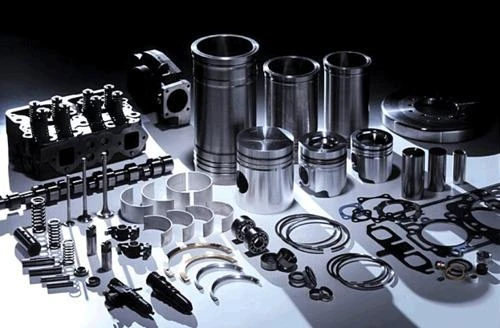
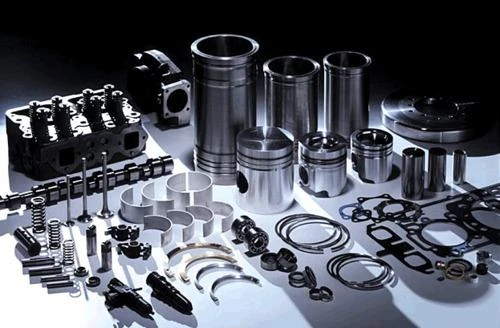
Sometimes, small fixes aren't enough. After high engine hours or sudden failures, a top or major overhaul becomes the only real solution. That means pistons, liners, bearings, and related parts need swapping fast.
These kits are factory-matched. Which means each piece is ready to fit without trial and error. Having one on hand—or even a partial top-end kit—can restore engine function without weeks of delay. It's not about convenience. It's about maintaining uptime when supply chains are out of reach.
Belts and Hoses
Your engine's rotation, cooling, and auxiliary systems all depend on belts and hoses. These flexible components are always under pressure, and failure tends to happen without warning. A worn belt can snap mid-operation. A cracked hose can leak coolant and cause rapid overheating.
Keep replacements that match both size and material specs. Improvising here often leads to bigger problems. Always inspect these spares regularly, and rotate them out if they sit unused for too long. Emergency engine spare parts don't help if they're already degraded.
Thermostats and Temperature Sensors
When temperatures shift without explanation, thermostats and sensors are usually the first things to check. And they're usually the first things to fail in rough conditions. Salt air corrodes terminals. Vibrations shake loose connections. Electrical surges short out delicate parts.
Without these sensors, you're flying blind. You can't trust your gauges, which means you can't make informed decisions. That's why replacements are essential. These parts don't take up much space, but they give you confidence in your readings—and peace of mind during repairs.
Starter Motor and Alternator
Everything stops when the engine won't start. Or when electrical systems go dark mid-voyage. The starter motor and alternator are workhorses. They deal with high load cycles, corrosion, and vibration every single day.
Spare units should be tested, dry-stored, and ready to install. There's no workaround here—if the starter dies, you're not going anywhere. If the alternator goes, navigation and lights could follow. These are core parts of any emergency checklist.
Turbochargers and Intercoolers
Marine engines push hard. Turbochargers amplify that output. But they run hot and wear fast. Especially when oil quality drops or air filters clog, intercoolers reduce that heat but are prone to salt buildup and corrosion.
When either system fails, performance crashes. Keep compatible turbochargers and intercoolers in your spares. You might not use them often. But when you do, you'll be glad they're already onboard and ready to bolt on without delay.
Service Tools and Engine-Specific Diagnostic Devices
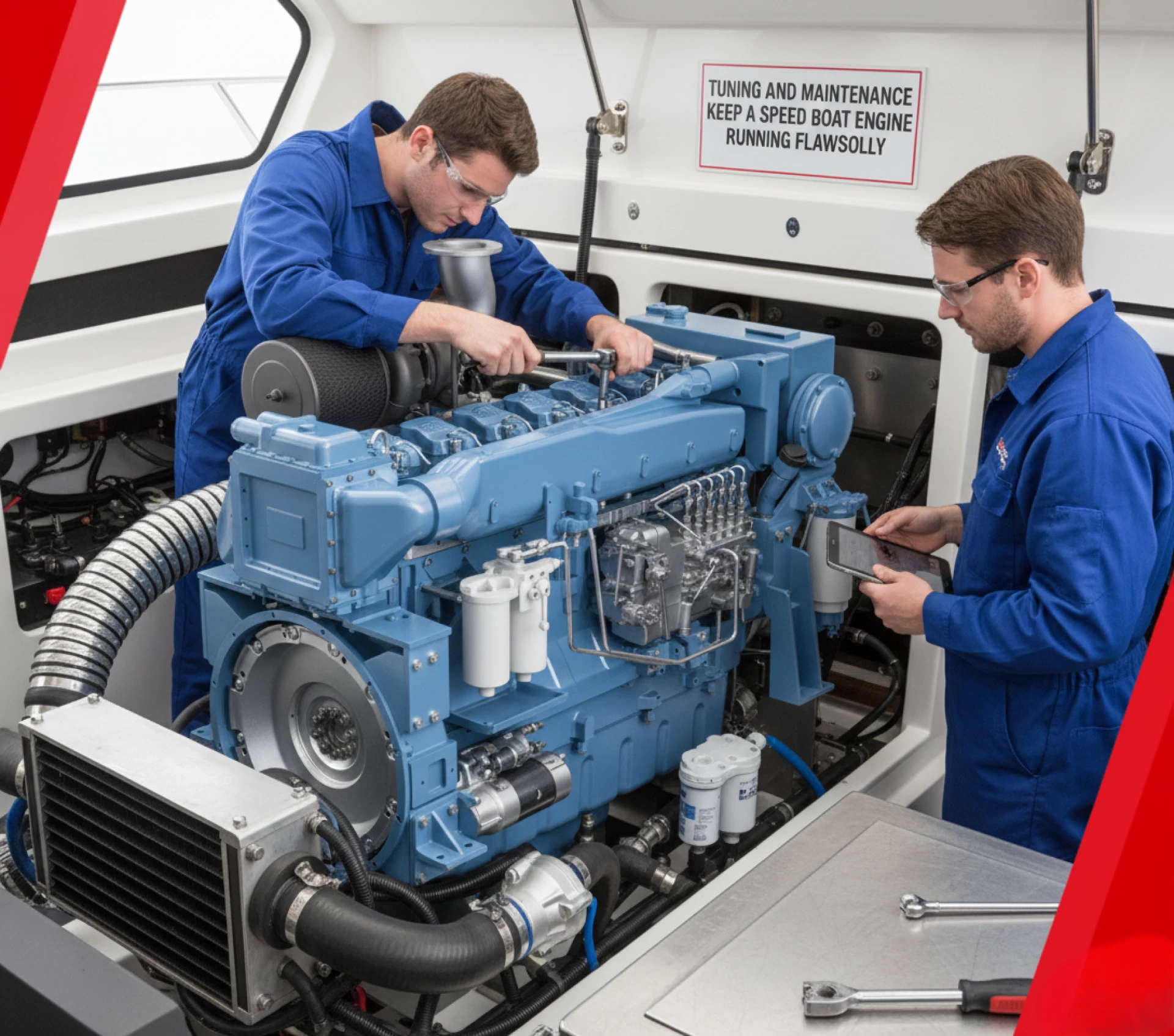
You can't swap out engine spare parts by guesswork. You need the tools to open up the engine safely and test what's really wrong. That includes torque wrenches, testers, and digital diagnostic tools matched to your system.
It's not about over-equipping. It's about being able to respond quickly and correctly. Keep your tools clean, calibrated, and stored near your spare parts. During high-pressure repairs, you don't want to dig through containers looking for a socket or tester.
Wrap Up
Marine emergencies don't wait for good timing. That's why having the right engine spare parts on board is one of the smartest things any crew or operator can do. These aren't extras. They're critical support for systems that work in some of the harshest environments. Engines fail without warning—but recovery shouldn't be a guessing game. If you've got the right parts ready, you're already one step ahead.






























Sign in to leave a comment.