First responders are often the first people to reach the scene of an emergency. They must act quickly, stay alert, and communicate clearly while handling difficult situations. Field connectivity solutions help them stay connected in real time, even in places where normal networks are weak or unavailable. These systems support smooth communication, faster response, and better teamwork during critical operations.
What Are Field Connectivity Solutions?
Field connectivity solutions are tools and systems that provide internet and communication access directly at the incident site. These solutions are designed for use outside offices, often in unpredictable and harsh environments.
They can include:
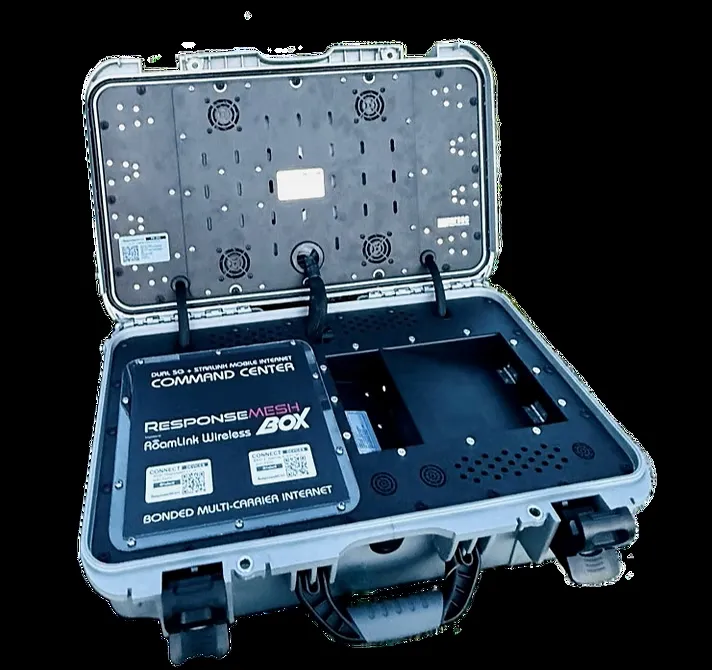
- Portable routers and wireless hotspots
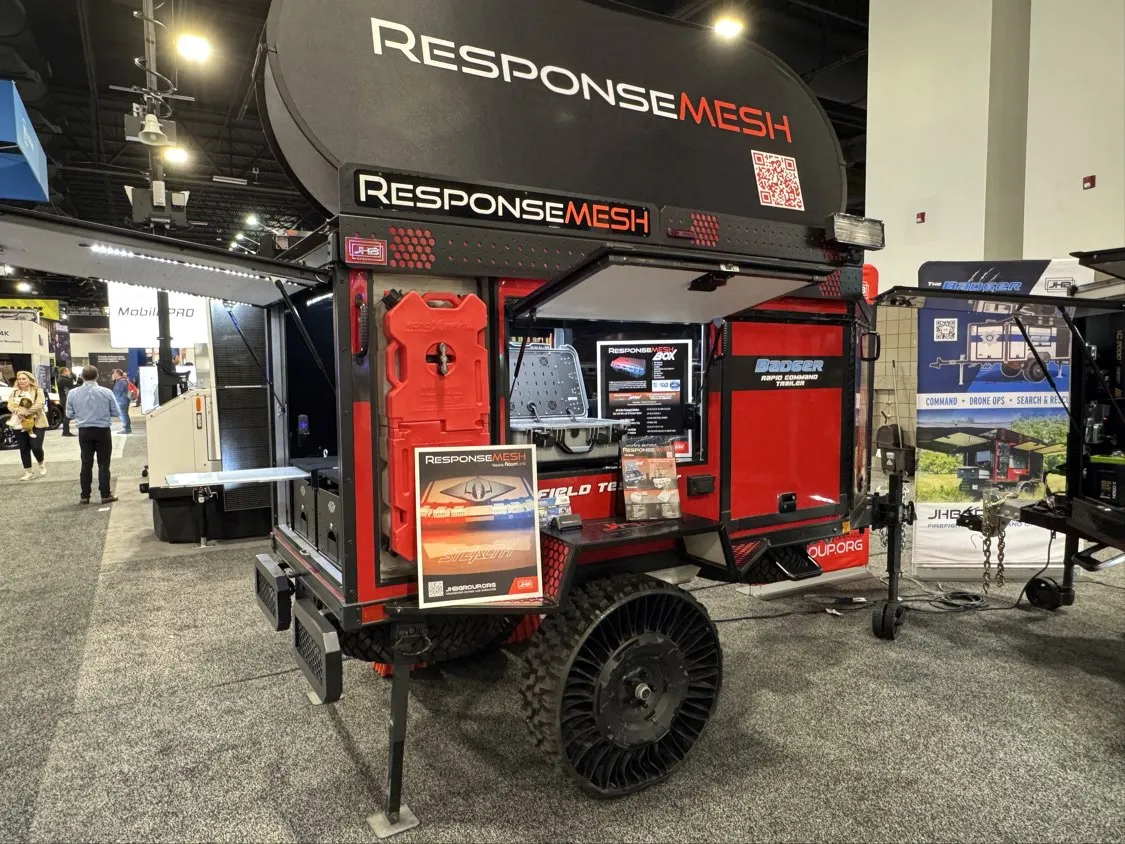
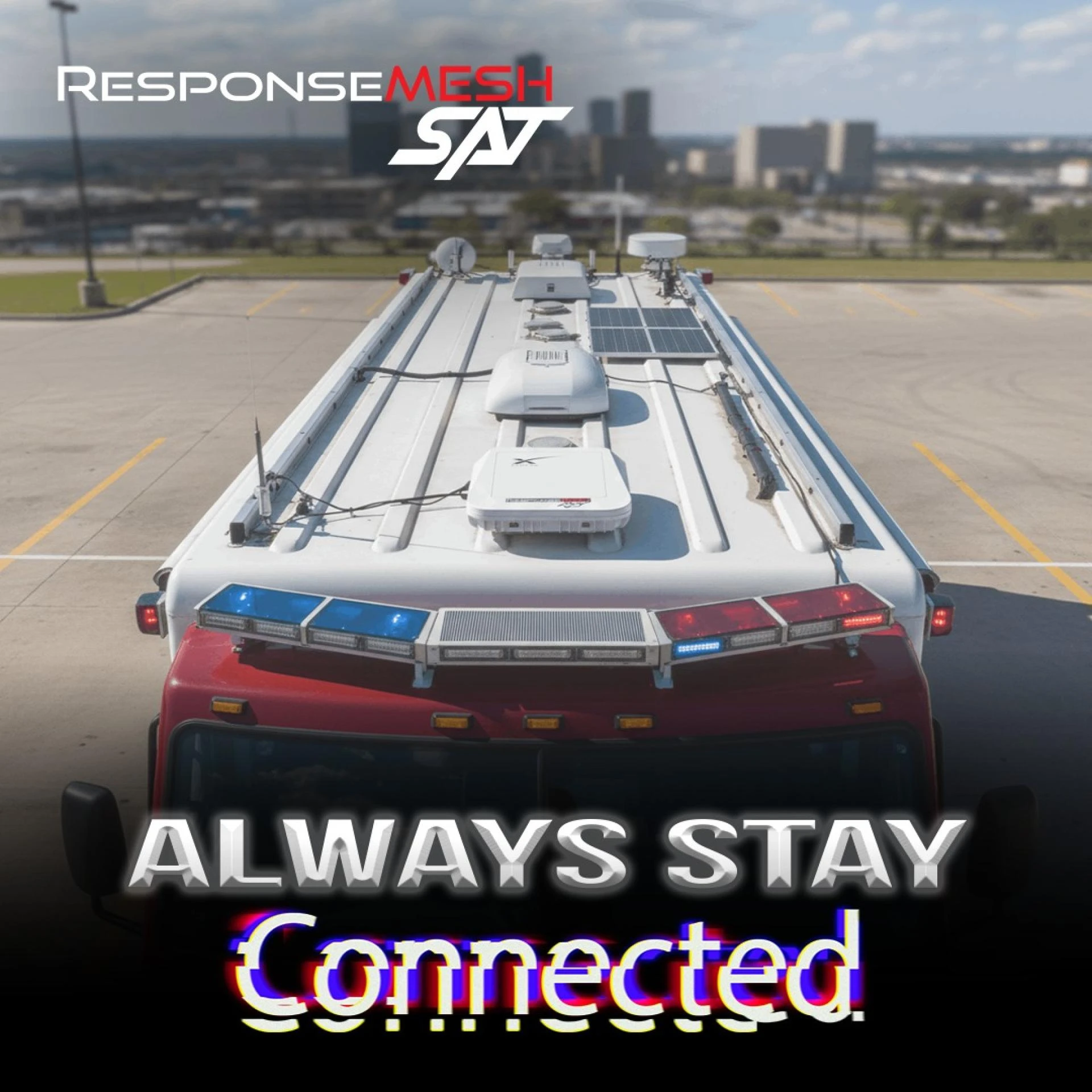
- Vehicle-mounted communication systems
- Satellite-enabled devices
- Secure mobile network tools
These systems form the backbone of modern public safety connectivity solutions, helping responders stay connected wherever they go.
Why First Responders Need Strong Connectivity
First responders deal with fast-changing situations. Whether it is a fire, accident, or natural disaster, they need instant updates and clear instructions.
Without proper connectivity, teams may face:
- Delays in receiving important information
- Difficulty in coordinating with other units
- Limited access to digital tools and records
Reliable public safety connectivity solutions ensure that responders can communicate without delay and make better decisions in the field.
Real-Time Communication on the Ground
Field connectivity allows responders to send and receive information instantly. This is important for maintaining coordination between teams and command centres.
With strong connectivity, responders can:
- Share live updates from the scene
- Communicate through voice, video, or messaging
- Receive instructions from command units
- Report progress in real time
This constant flow of information helps teams stay organised and respond more effectively.
Supporting Advanced Emergency Tools
Modern emergency response relies on technology. First responders use many digital tools that require a stable internet connection.
Some of these tools include:
- Body cameras for live video streaming
- Drones for aerial monitoring
- GPS systems for tracking movement
- Digital reporting platforms
With the help of public safety connectivity solutions, all these tools work smoothly and provide valuable data to support operations.
Reliable Connectivity in Remote and Disaster Areas
Many emergencies occur in locations where network coverage is poor. This includes rural areas, highways, forests, and disaster zones where infrastructure may be damaged.
Field connectivity solutions are designed to work in these conditions. They often combine multiple technologies, such as cellular networks and satellite connections, to maintain a stable link.
This ensures that first responders are never cut off from communication, even in the most challenging environments.
Easy Setup and Quick Deployment
Time is very important during emergencies. Field connectivity systems are built for quick and simple setup. Most solutions are plug-and-play, which means they can be activated with minimal effort.
Responders do not need advanced technical skills. They can set up the system and start using it within minutes. This makes public safety connectivity solutions practical for real-world emergency situations.
Improving Safety and Awareness
Good communication helps improve safety for first responders. When teams stay connected, they can share warnings and updates about risks in real time.
For example:
- Teams can alert others about dangerous areas
- Command centres can guide responders safely
- Medical teams can prepare before reaching patients
This level of awareness reduces risks and helps responders work more safely.
Enabling Better Coordination Between Teams
Emergency response often involves multiple teams working together. Police, firefighters, and medical units must coordinate their actions carefully.
Field connectivity solutions create a shared communication network. This allows all teams to stay informed and work together smoothly.
With reliable public safety connectivity solutions, coordination becomes faster, clearer, and more effective.
Final Thoughts
Field connectivity solutions play a vital role in supporting first responders during emergencies. They provide reliable communication, enable real-time updates, and support advanced tools used in modern operations.
As emergency response continues to evolve, the need for strong and flexible public safety connectivity solutions will only grow. These systems help first responders stay connected, improve coordination, and respond quickly when every second counts.





















Sign in to leave a comment.