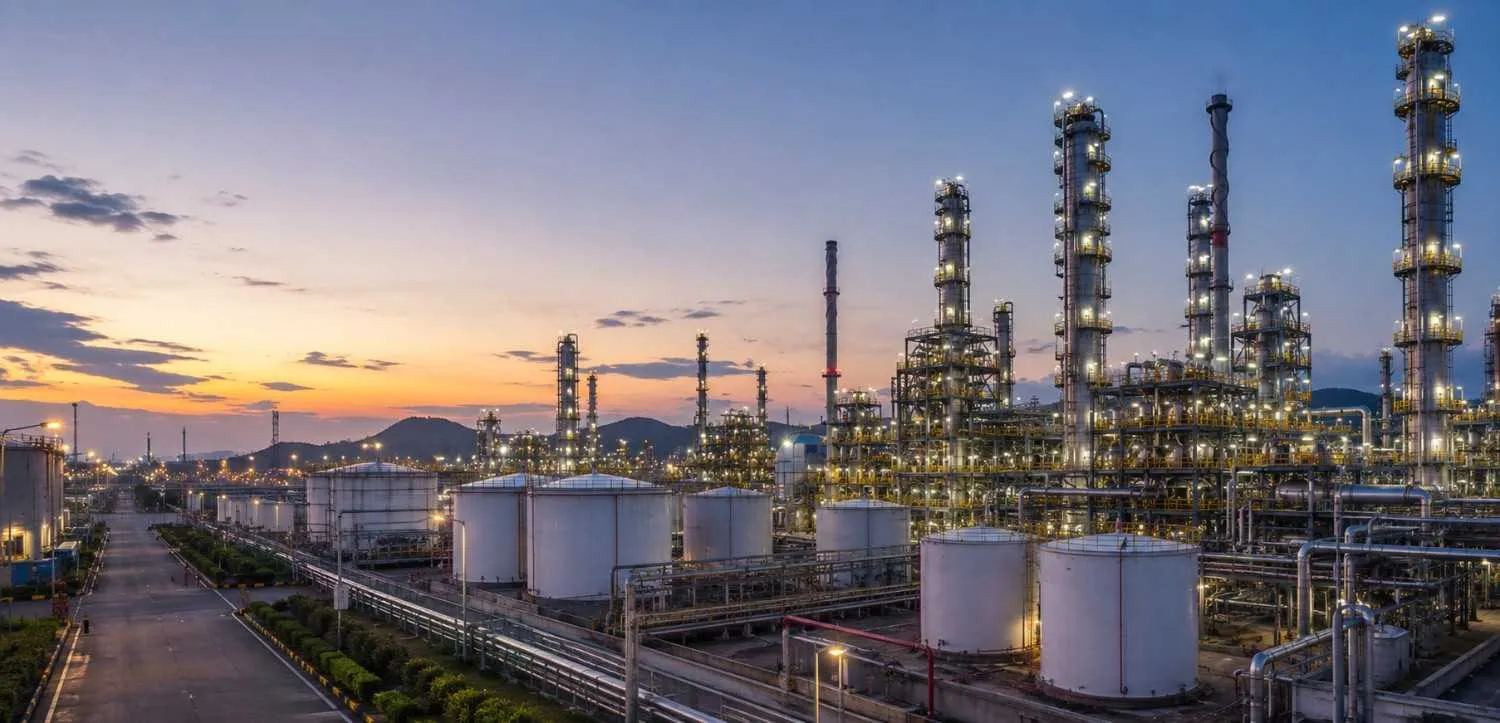

Flow measurement is an essential part of many industrial processes where liquids, gases, or steam need to be monitored accurately. The right flow meter helps operators understand how much fluid is moving through a pipeline, maintain process conditions, control consumption, and improve overall plant efficiency. However, different fluids and operating conditions require different measurement technologies.
There is no single flow meter that works equally well for every application. Factors such as fluid type, conductivity, viscosity, pressure, temperature, flow range, pipe size, accuracy requirements, and installation conditions all influence the selection process. Understanding the major types of flow meters makes it easier to identify the technology that matches a particular industrial requirement.
Why Different Flow Meter Technologies Are Required
Industrial processes involve very different types of fluids. Water and wastewater behave differently from oil, chemicals, compressed air, natural gas, or steam. Some applications require volumetric measurement, while others require direct mass flow measurement.
Flow meters therefore use different operating principles to obtain reliable measurements. Electromagnetic meters use electromagnetic induction for conductive liquids, vortex meters detect vortex shedding, turbine meters measure mechanical rotation, thermal mass meters use heat transfer for gas measurement, and positive displacement meters measure a defined volume during each cycle.
Understanding these differences is important before selecting an instrument because a technically unsuitable flow meter can result in inaccurate readings, unnecessary maintenance, or poor process performance.
Electromagnetic Flow Meter
An electromagnetic flow meter is designed for measuring electrically conductive liquids. It operates according to Faraday's law of electromagnetic induction. When a conductive liquid moves through a magnetic field generated inside the meter, a voltage is induced across electrodes positioned in the flow tube.
The induced voltage is proportional to the velocity of the liquid, allowing the transmitter to calculate volumetric flow. Since there are no moving mechanical parts in the flow path, electromagnetic flow meters can provide reliable operation with low mechanical wear.
They are commonly used for water, wastewater, chemicals, effluent, sewage, and other conductive liquids. The conductivity of the process liquid must be suitable for electromagnetic measurement, so this is an important factor during selection.
Vortex Flow Meter
A vortex flow meter measures flow based on the vortex shedding principle. A bluff body installed inside the flow path creates alternating vortices as fluid passes around it. The frequency of these vortices is related to the flow velocity, allowing the instrument to determine the flow rate.
Vortex technology can be used for liquids, gases, and steam, making it a versatile option for industrial process measurement. It is particularly useful in applications involving steam and gas where stable measurement and minimal mechanical wear are important.
Some industrial vortex flow meters also incorporate temperature and pressure compensation for gas and steam applications. This can help provide more useful flow information when process conditions change.
Thermal Mass Flow Meter
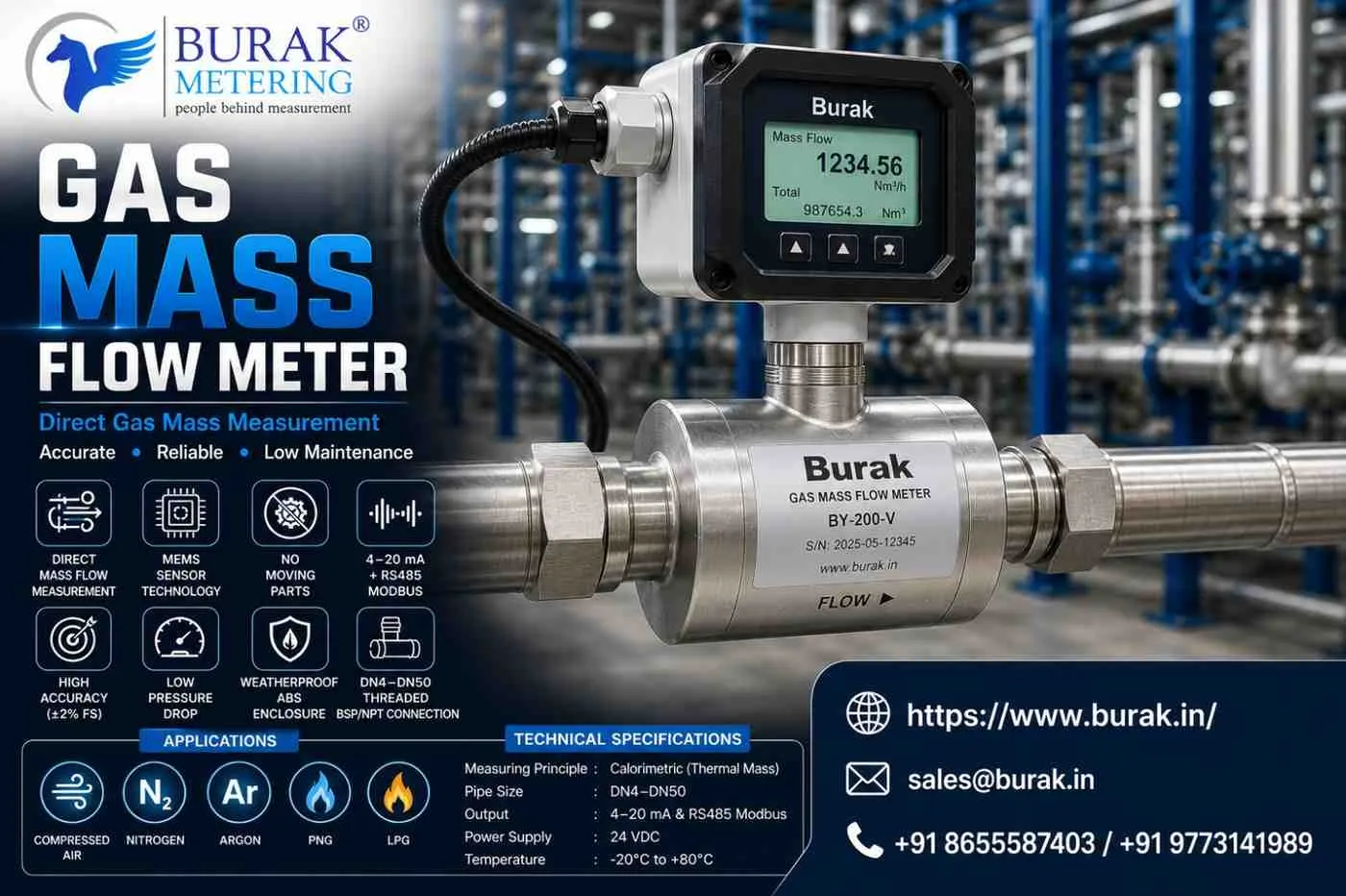
A thermal mass flow meter is primarily used for measuring gas flow. It works by transferring heat to the gas through a heated sensor and measuring the resulting heat transfer. The amount of heat carried away by the moving gas is related to its mass flow.
Because thermal mass technology measures mass flow directly, it can be particularly useful for monitoring gases such as compressed air, nitrogen, oxygen, natural gas, LPG, biogas, and other compatible industrial gases, depending on the meter configuration.
These meters are widely considered for compressed air monitoring, gas consumption measurement, utility management, and industrial gas process applications.
Turbine Flow Meter
A turbine flow meter uses a rotating turbine or rotor positioned inside the pipeline. As fluid passes through the meter, it causes the rotor to rotate. The rotational speed is related to the velocity of the fluid, and electronic sensors convert the rotational movement into a flow measurement.
Turbine flow meters can provide accurate measurement when used with suitable clean liquids or gases and properly controlled operating conditions. They are often selected for applications involving clean fluids where repeatable flow measurement is required.
When choosing a turbine flow meter, factors such as fluid cleanliness, flow range, viscosity, pipe size, pressure, temperature, and installation conditions should be evaluated carefully.
Oval Gear Flow Meter
An oval gear flow meter is a positive displacement flow meter designed primarily for liquid measurement. It contains two precision-machined oval gears inside a measuring chamber. As liquid enters the chamber, it causes the gears to rotate, with each rotation displacing a known volume of liquid.
The meter calculates flow by measuring the number of gear rotations. This positive displacement principle allows oval gear flow meters to provide accurate and repeatable volumetric measurement, including applications involving relatively viscous liquids.
They are suitable for applications involving compatible fuels, oils, solvents, chemicals, and other industrial liquids. The actual fluid compatibility, viscosity, pressure, temperature, and required flow range should always be checked before selecting a model.
Coriolis Mass Flow Meter
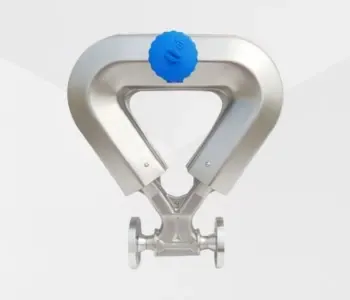
A Coriolis mass flow meter measures mass flow by detecting changes in the vibration of measuring tubes as fluid passes through them. The interaction between the moving fluid and vibrating tubes creates a measurable phase shift related to mass flow.
One of the major advantages of Coriolis technology is its ability to measure mass flow directly. Depending on the instrument and application, it can also provide additional process information such as density and temperature.
Coriolis meters are often considered for applications where highly accurate mass measurement is required, particularly in chemical processing, oil and gas, and other demanding industrial processes.
Ultrasonic Flow Meter
Ultrasonic flow meters use sound waves to determine fluid flow. Depending on the design, ultrasonic signals are transmitted through the fluid and the difference between signals travelling with and against the flow is used to calculate flow velocity.
One advantage of ultrasonic technology is that certain configurations can measure flow without placing mechanical components inside the pipeline. Clamp-on ultrasonic meters can also be installed externally on suitable pipelines, which can be useful where process interruption or pipe modification is undesirable.
Ultrasonic technology is used across various liquid and gas measurement applications, depending on the specific meter design and process conditions.
Differential Pressure Flow Meters
Differential pressure flow measurement uses a restriction or primary element in the pipeline to create a pressure difference. The pressure upstream and downstream of the restriction is measured, and the resulting differential pressure is used to determine flow.
Orifice plates, Venturi tubes, and other differential-pressure primary elements are examples of this measurement approach. These systems are widely established in industrial applications and can be used for liquids, gases, and steam when properly designed for the process.
Selection requires careful consideration of pressure loss, flow range, fluid properties, pipe conditions, and the required measurement accuracy.
How to Select the Right Flow Meter
Choosing between different flow meter technologies should begin with the process rather than the instrument. Start by identifying whether the application involves a liquid, gas, or steam. Then evaluate the properties of the fluid and the operating conditions.
For liquids, factors such as conductivity, viscosity, density, suspended solids, and chemical compatibility may influence the choice. For gases, pressure, temperature, density, compressibility, and required compensation should be considered.
Flow range is another important factor. The meter should be capable of measuring the minimum and maximum expected flow without operating outside its suitable range. Pipe diameter, connection type, installation location, straight-run requirements, and available space should also be checked.
Finally, consider the required outputs and communication interfaces. Applications connected to PLC, DCS, SCADA, or other automation systems may require outputs such as 4–20 mA, pulse, HART, or RS485 Modbus.
Importance of Accurate Flow Measurement
Accurate flow measurement helps industries maintain better control over their processes. Reliable flow data can be used to monitor consumption, control dosing, balance process streams, identify abnormal conditions, and improve production consistency.
In utility applications, flow measurement can also help identify excessive consumption and potential losses. In process industries, accurate measurement supports consistent material handling and better control of operating conditions.
The value of a flow meter therefore depends not only on its stated accuracy but also on whether the selected technology is appropriate for the actual fluid and installation.
Final Considerations
The different types of flow meters available today are designed around specific measurement principles and application requirements. Electromagnetic flow meters are suitable for conductive liquids, vortex meters can handle liquids, gases, and steam, thermal mass meters are widely used for gases, turbine meters measure suitable clean fluids through mechanical rotation, and oval gear meters provide positive displacement measurement for liquids.
Understanding the operating principle and application range of each technology is the first step toward making a reliable selection. Once the fluid properties, operating conditions, flow range, installation requirements, and communication needs are established, the most appropriate flow measurement technology can be selected for the process.

























Sign in to leave a comment.