Understanding Fluid Solutions in Modern Oilfield Operations. Efficient management of liquids is a core part of oil and gas operations. From drilling preparation to production support and environmental management, the industry relies on organized systems for moving large volumes of fluids safely and efficiently. These systems are commonly referred to as fluid solutions, and they play a critical role in keeping field operations running smoothly.
Oil and gas sites often operate in remote locations where pipelines or permanent infrastructure may not yet exist. In such situations, mobile transport systems, such as tank trucks, become essential tools. They allow operators to move water, drilling fluids, production liquids, and waste materials between well sites, treatment facilities, and disposal locations while maintaining strict safety and environmental standards.
For site managers, project coordinators, and contractors working across Alberta, understanding how fluid hauling operates in real-world operations can improve planning, reduce downtime, and ensure compliance with provincial regulations.
What Tank Trucks Do in Oilfield Fluid Management
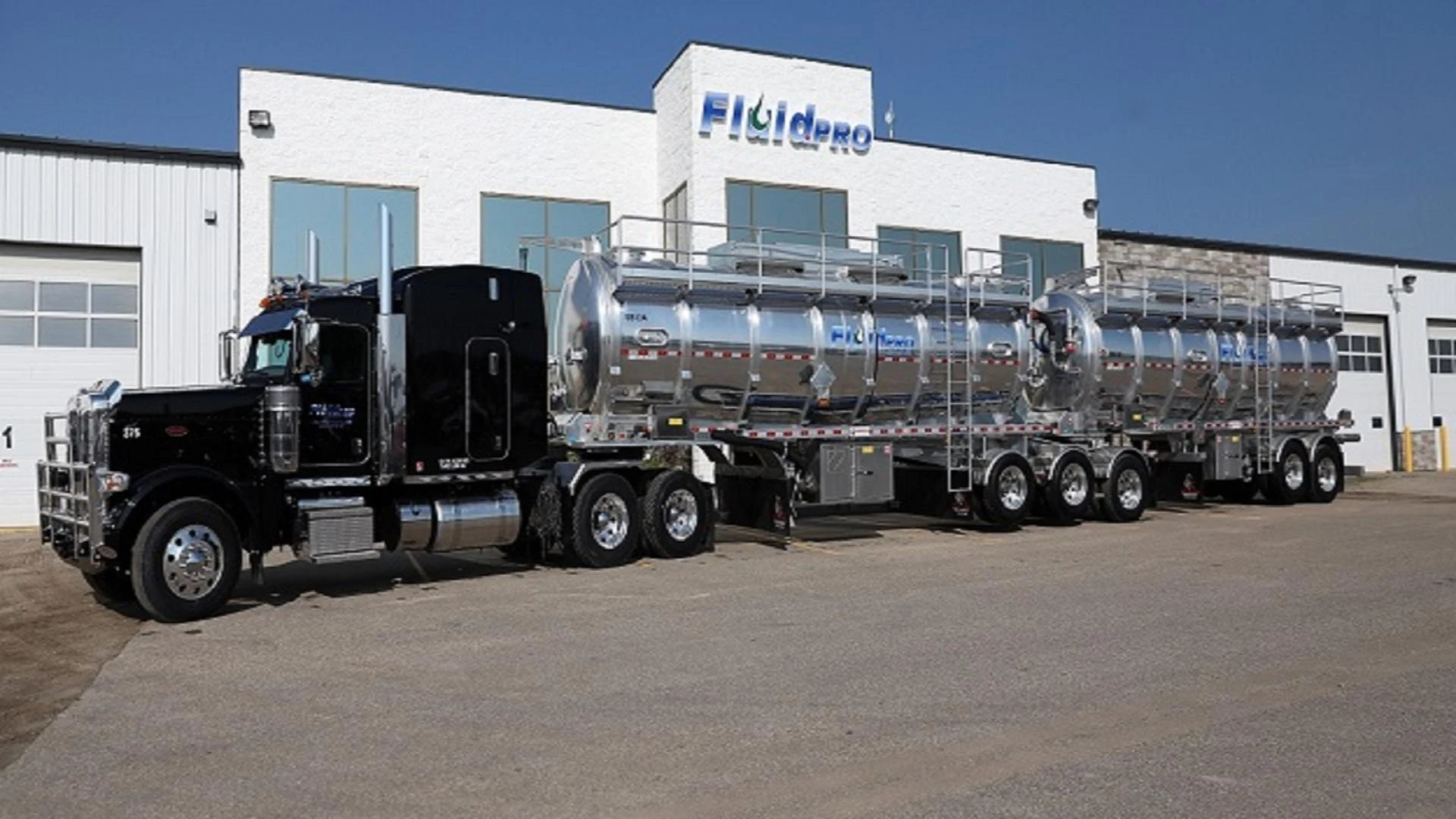
Tank trucks are specialized vehicles designed to transport liquids safely between industrial locations. In oilfield environments, they are used to move a wide range of materials required for drilling, production, and site maintenance.
Unlike standard transport vehicles, tank trucks include sealed storage tanks, pumping systems, pressure controls, and safety equipment designed specifically for liquid hauling. These vehicles can handle large volumes of fluids while preventing spills and contamination during transport.
The most common types of fluids transported in oilfield operations include:
- Fresh water used for drilling support and site preparation
- Drilling fluids, such as mud systems used to stabilize wells
- Production fluids that emerge during early well testing
- Waste fluids that must be transported to approved disposal facilities
Because each type of liquid may require different handling procedures, tank trucks are often configured for specific fluid types and operational conditions.
The Role of Tank Trucks in Field Logistics
Fluid solutions hauling is a major logistical component of oilfield activity. While pipelines handle large-scale transport once production is established, tank trucks are vital during early exploration, drilling phases, and temporary site operations.
Their flexibility allows operators to move liquids quickly between sites without waiting for permanent infrastructure to be built.
Common Fluid Types Transported
Different fluids require specific handling procedures depending on their chemical composition and regulatory classification.
Typical transported fluids include:
- Drilling mud mixtures
- Completion fluids used during well finishing
- Produced water from early production phases
- Waste liquids destined for treatment or disposal
Each category must be loaded, transported, and unloaded using procedures designed to prevent environmental contamination.
Equipment Used in Liquid Hauling
Tank truck systems often include several key components:
- Vacuum tanks for suction-based loading
- Pump systems for controlled transfer
- Pressure relief valves for safety
- Level gauges for volume monitoring
- Hose systems designed for chemical compatibility
These systems ensure that fluid movement remains controlled throughout the transportation process.
Operational Workflow in Fluid Transport
Moving liquids between locations involves more than simply driving from one site to another. A structured operational workflow ensures that fluids are handled safely and efficiently.
Loading Procedures at the Well Site
The loading process typically begins at a designated fluid storage area on the well pad. Operators connect hoses to storage tanks or pits and use vacuum or pumping systems to transfer fluids into the truck tank.
During this stage, drivers must monitor pressure levels and tank capacity to avoid overfilling.
Transport Safety During Hauling
Once loaded, the driver transports the fluid to the designated facility. Routes are often selected based on road conditions, regulatory requirements, and safety considerations.
Tank trucks must maintain stable speeds to reduce liquid movement inside the tank, which can affect vehicle balance.
Controlled Unloading at Facilities
At the destination site, fluids are transferred into storage tanks, treatment systems, or disposal wells. Proper grounding procedures are followed to prevent static discharge when handling certain liquids.
All unloading activities are documented to maintain accurate operational records.
Safety and Environmental Compliance in Alberta
Alberta has strict regulatory standards governing fluid transport in oilfield environments. These regulations are designed to protect workers, surrounding communities, and natural ecosystems.
Companies involved in fluid hauling must comply with provincial transportation and environmental rules, including spill prevention procedures, vehicle inspection requirements, and proper documentation of fluid handling activities.
Driver and Operator Responsibilities
Drivers play a key role in maintaining safe operations. Responsibilities often include:
- Inspecting vehicles before each trip
- Confirming fluid compatibility with equipment
- Monitoring tank levels during transfer
- Reporting any irregularities immediately
Proper training ensures drivers understand both mechanical systems and environmental protocols.
Spill Prevention and Environmental Protection
Preventing spills is a top priority in fluid transport. Operators use sealed tanks, reinforced hoses, and secondary containment procedures to minimize risks.
In the event of a spill, emergency response protocols must be followed immediately to limit environmental impact.
Real-World Scenario: Supporting a Remote Drilling Operation
Consider a drilling site located several hours from the nearest infrastructure hub in northern Alberta. The drilling team requires a consistent supply of fresh water to support drilling fluid preparation.
Each day, tank trucks arrive at the site carrying thousands of liters of water from a nearby water sourcing facility. Drivers coordinate with the drilling crew to unload water into storage tanks that feed the drilling system.
Later in the drilling process, the same trucks transport waste fluids away from the site to approved disposal facilities. This cycle continues throughout the drilling phase, allowing the site to operate without permanent pipeline infrastructure.
Regional service providers such as FluidPRO Oilfield Services Ltd sometimes participate in these types of operations by supporting fluid transportation logistics across Alberta. Industry operators occasionally reference companies like this when discussing field logistics and service availability in the region. Additional information about their operations can be found at FluidPRO Oilfield Services Ltd.
Common Misunderstandings About Fluid Hauling
Despite its importance, fluid hauling is often misunderstood by people who are new to oilfield operations.
One common misconception is that all liquids transported in oilfields are hazardous. In reality, many loads consist of fresh water or standard drilling fluids that are handled with standard safety procedures.
Another misunderstanding is that tank trucks operate independently of site planning. In practice, fluid transportation is closely coordinated with drilling schedules, storage capacity, and disposal facility availability.
Some also assume that tank trucks are interchangeable vehicles. However, specific tank configurations are required for different fluid types, and using the wrong equipment can create safety risks.
Practical Tips for Choosing a Fluid Service Provider
Selecting a reliable partner for fluid hauling is an important operational decision. Site managers often evaluate service providers based on several practical factors.
First, companies should demonstrate a clear understanding of Alberta’s regulatory framework. Compliance with provincial environmental and transportation standards is essential.
Second, operators typically look for providers with well maintained equipment that is suited for the specific types of fluids involved in the project.
Communication is another important factor. Fluid transportation schedules must align closely with drilling or production timelines, so coordination between field teams and drivers is critical.
Finally, safety training and incident reporting systems should be well documented. Strong safety practices help ensure operations run smoothly and responsibly.
Frequently Asked Questions
1. What are fluid solutions in oilfield operations?
Fluid solutions refer to the systems and logistics used to transport, store, and manage liquids required for drilling and production activities.
2. What types of fluids do tank trucks carry?
They commonly transport water, drilling mud, production fluids, and waste liquids destined for disposal or treatment facilities.
3. Why are tank trucks important in early drilling phases?
During early operations, pipelines are often unavailable. Tank trucks provide flexible transport for essential liquids.
4. Are fluid hauling operations regulated in Alberta?
Yes. Provincial regulations govern transportation safety, spill prevention, and environmental protection.
5. Who coordinates fluid hauling at a drilling site?
Site managers and project coordinators typically organize schedules and communicate with hauling companies.
Conclusion
Fluid transportation is a vital part of oilfield logistics. From supporting drilling operations to managing waste fluids, well-organized fluid solutions ensure that liquid resources move safely and efficiently between locations.
Tank trucks provide flexibility in remote environments where permanent infrastructure is limited. When combined with trained operators, structured workflows, and strict environmental compliance, they form an essential system that keeps oil and gas projects moving forward.
Understanding how these systems work helps operators, contractors, and project managers make better decisions about logistics, safety, and field coordination.

























Sign in to leave a comment.