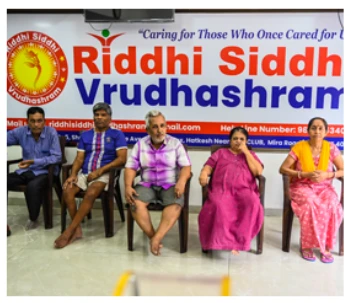

India’s urban centers are witnessing a steady rise in the elderly population, and Mumbai is no exception. With changing family structures, migration for employment, and increasing life expectancy, many senior citizens today require structured support systems that ensure dignity, safety, healthcare, and emotional well-being. Old age homes have emerged as a crucial solution, providing residential care, medical supervision, and companionship for elderly individuals who may lack adequate family support.
For individuals and families seeking information—whether to place an elder in care or contribute to senior welfare—it is essential to understand how these institutions function, the kind of assistance they provide, and how to approach them responsibly.
The Growing Need for Elderly Care Services
Mumbai’s fast-paced lifestyle often leaves families struggling to balance professional commitments with full-time elder care. While many households strive to support aging parents at home, medical complexities, mobility challenges, and cognitive conditions such as dementia require professional attention.
Elder care facilities typically provide:
- Safe residential accommodation
- Daily meals based on nutritional requirements
- Regular medical checkups
- Emergency healthcare coordination
- Personal hygiene and mobility assistance
- Emotional and social engagement activities
Such services play a crucial role in improving quality of life for senior citizens while also offering reassurance to their families.
How Old Age Homes Typically Operate
Most elder care homes function with structured administrative systems. They usually have dedicated coordinators, caregivers, nursing staff, and support teams. Some facilities operate on a paid residential model, while others accept donations to support residents who cannot afford full expenses.
When people search for contact old age home in Mumbai, they are often looking for verified communication channels such as phone numbers, office addresses, or inquiry desks that allow them to understand admission processes, care standards, and available facilities.
Before reaching out, it is advisable to prepare basic information such as:
- Age and health condition of the elderly person
- Requirement for medical or assisted care
- Budget expectations
- Duration of stay (short-term or long-term)
Clear communication helps both families and care providers determine suitability.
Understanding Donation-Based Support Systems
Many elder care facilities depend partly on public contributions to maintain operations. These contributions may support food, medicines, bedding, hygiene supplies, and staff costs. Individuals who search for old age home donation contact are generally seeking transparent ways to offer financial or material support.
Donations are often used for:
- Monthly ration and nutrition supplies
- Medical treatment and prescriptions
- Wheelchairs, walkers, and mobility aids
- Electricity, water, and maintenance expenses
- Recreational and wellness activities
Before contributing, donors should always request proper documentation, usage clarity, and receipts to ensure responsible giving.
Importance of Verified Communication Channels
Reliable communication is critical when dealing with elder care services. Families and donors alike should ensure that contact information is authentic and updated. A genuine facility will usually provide:
- Fixed landline or official mobile numbers
- Physical visit options by appointment
- Written details about services and policies
- Clear explanations regarding costs or donations
People looking for elderly care contact Mumbai are advised to avoid intermediaries or unverified agents and instead connect directly with the care home’s administrative team wherever possible.
Ways to Support Senior Citizens Beyond Financial Help
Support for the elderly is not limited to monetary assistance. Many people wish to contribute time, skills, or essential items. Common non-financial forms of support include:
- Donating groceries or medical supplies
- Spending time with residents
- Organizing health camps or recreational sessions
- Providing books, clothing, or seasonal essentials
- Assisting with administrative or digital support
Those seeking support elderly contact details often want to understand how they can meaningfully engage while respecting the privacy and dignity of residents.
Responsible involvement always begins with prior permission and coordination.
Understanding Regional Care Needs: Mira Road Area
The suburban regions of Mumbai, including extended residential zones, have seen increased demand for senior living facilities. Many families living in northern suburbs prefer care centers closer to home for easier visits and monitoring.
If you are searching for an old age home in Mira Road, it is important to consider factors such as:
- Proximity to hospitals and emergency services
- Availability of trained nursing staff
- Cleanliness and hygiene standards
- Safety measures and supervision
- Visiting hours and family interaction policies
A personal visit, whenever possible, provides better clarity than online information alone.
Key Questions to Ask Before Finalizing Any Facility
Whether you are seeking placement or offering support, asking the right questions is essential:
- What level of medical care is available on-site?
- Are nurses present 24/7?
- How are emergencies handled?
- What is the resident-to-caregiver ratio?
- Are meals customized for medical conditions?
- Is there transparency in expenses or donation usage?
Documented answers help families make informed, long-term decisions.
Ethical Considerations in Elder Care Engagement
Elder care must always prioritize respect, consent, and dignity. Any interaction—be it admission, donation, or volunteering—should be centered around the comfort and rights of senior citizens.
Avoid practices such as:
- Publicizing images without consent
- Making commitments that cannot be sustained
- Interfering with daily routines without coordination
- Treating care homes as temporary shelters rather than living spaces
Ethical engagement builds trust and ensures genuine impact.
The Role of Society in Supporting the Aging Population
As India continues to age demographically, elder care is no longer solely a family responsibility—it is a collective social obligation. Awareness, empathy, and responsible support systems can significantly reduce loneliness, neglect, and health risks among senior citizens.
Urban communities can contribute by:
- Encouraging local senior support networks
- Promoting regular health screenings
- Creating age-friendly infrastructure
- Supporting long-term care sustainability
Every small effort contributes toward a more compassionate society.
Conclusion
Old age homes play a vital role in safeguarding the well-being of senior citizens who need structured care, companionship, and medical attention. Whether you are seeking reliable communication channels, exploring ways to contribute, or looking for suitable residential care for a loved one, informed decision-making is crucial.
By understanding how these facilities function, verifying contact information, and engaging ethically, individuals can ensure their support truly benefits the elderly. With thoughtful involvement, society can help seniors live their later years with dignity, comfort, and respect—values that define responsible community care.



























Sign in to leave a comment.