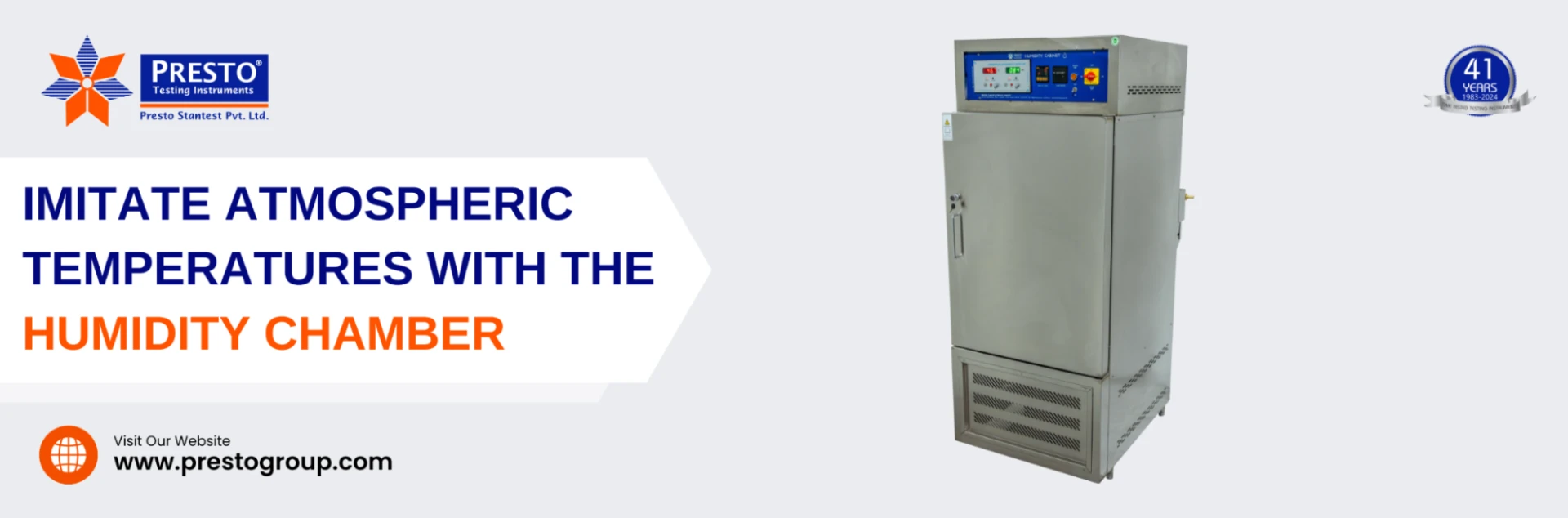

In the realm of product testing and quality assurance, humidity chambers play a pivotal role. These sophisticated devices are essential for testing the resilience and durability of products under varying environmental conditions. From electronics to pharmaceuticals, a wide range of industries rely on humidity chambers to ensure their products can withstand the rigors of real-world conditions. In this blog, we will delve into the intricacies of humidity chambers, their working principles, the factors influencing their prices, and the considerations for selecting a reliable humidity chamber manufacturer.
What is a Humidity Chamber?
A humidity chamber, also known as an environmental test chamber, is a controlled environment where products are subjected to specified levels of humidity and temperature. These chambers are designed to simulate a wide range of environmental conditions, from extreme heat and cold to varying levels of moisture. By doing so, they help manufacturers understand how their products will perform in different climates and conditions over time.
Working Principle of Humidity Chambers
The working principle of a humidity chamber revolves around controlling two primary variables: temperature and humidity. Here’s a step-by-step breakdown of how these chambers operate:
Temperature Control: The chamber is equipped with a heating and cooling system to maintain the desired temperature. This system uses a combination of heaters and refrigeration units to achieve precise temperature control.
Humidity Control: To regulate humidity, the chamber uses a water supply and a series of sensors. Humidity is controlled by either adding moisture to the air (humidification) or removing moisture (dehumidification). This is typically achieved through steam generators, ultrasonic humidifiers, or desiccant dehumidifiers.
Monitoring and Feedback: Advanced humidity chambers are equipped with sensors and control systems that constantly monitor the internal environment. These sensors provide real-time feedback to ensure the chamber maintains the specified conditions throughout the testing process.
Data Logging: Modern humidity chambers come with data logging capabilities, allowing users to record and analyze the environmental conditions and the performance of the tested products over time. This data is crucial for quality assurance and compliance with industry standards.
Factors Influencing Humidity Chamber Prices
The price of a humidity chamber can vary significantly based on several factors. Understanding these factors can help you make an informed decision when investing in this critical testing equipment.
Chamber Size: Larger chambers capable of accommodating more or bigger products tend to be more expensive. The size you need will depend on the volume and dimensions of the items you plan to test.
Temperature and Humidity Range: Chambers with a wider range of temperature and humidity settings typically cost more. If your testing requires extreme conditions, be prepared for a higher investment.
Control Precision: The precision of the control systems and sensors can affect the price. High-precision chambers that offer tighter control over environmental conditions are usually more expensive but are essential for industries requiring stringent testing standards.
Additional Features: Features such as rapid cycling, enhanced data logging, remote monitoring, and automated testing sequences can add to the cost. Evaluate which features are necessary for your specific testing requirements.
Brand and Manufacturer: Established humidity chamber manufacturers with a reputation for quality and reliability often charge a premium. However, investing in a reputable brand can ensure better performance, durability, and after-sales support.
Choosing the Right Humidity Chamber Manufacturer
Selecting a reliable humidity chamber manufacturer is crucial to ensure you get a high-quality product that meets your testing needs. Here are some key considerations:
Experience and Reputation: Look for manufacturers with a proven track record and positive reviews from other customers. An experienced manufacturer is more likely to provide reliable and effective solutions.
Customization Options: Depending on your testing requirements, you might need a customized solution. Choose a manufacturer that offers flexibility in design and features.
Technical Support and Service: Ensure the manufacturer provides robust after-sales support, including installation, maintenance, and repair services. Quick and efficient technical support can save you significant downtime and costs in the long run.
Compliance with Standards: Verify that the manufacturer’s products comply with relevant industry standards and regulations. This is particularly important for industries like pharmaceuticals and electronics, where compliance is critical.
Cost-Effectiveness: While it’s important not to compromise on quality, consider the overall cost-effectiveness of the chamber. This includes the initial purchase price, operating costs, and potential savings from increased product reliability and reduced failure rates.
Conclusion
Humidity chambers are indispensable tools for ensuring product quality and reliability across various industries. Understanding their working principles and the factors influencing their prices can help you make an informed decision when purchasing one. Additionally, selecting a reputable humidity chamber manufacturer is crucial to ensure you get a reliable, high-quality product that meets your specific testing needs. By investing in a good humidity chamber, you not only enhance your product’s durability but also gain a competitive edge in the market through superior quality assurance.
























Sign in to leave a comment.