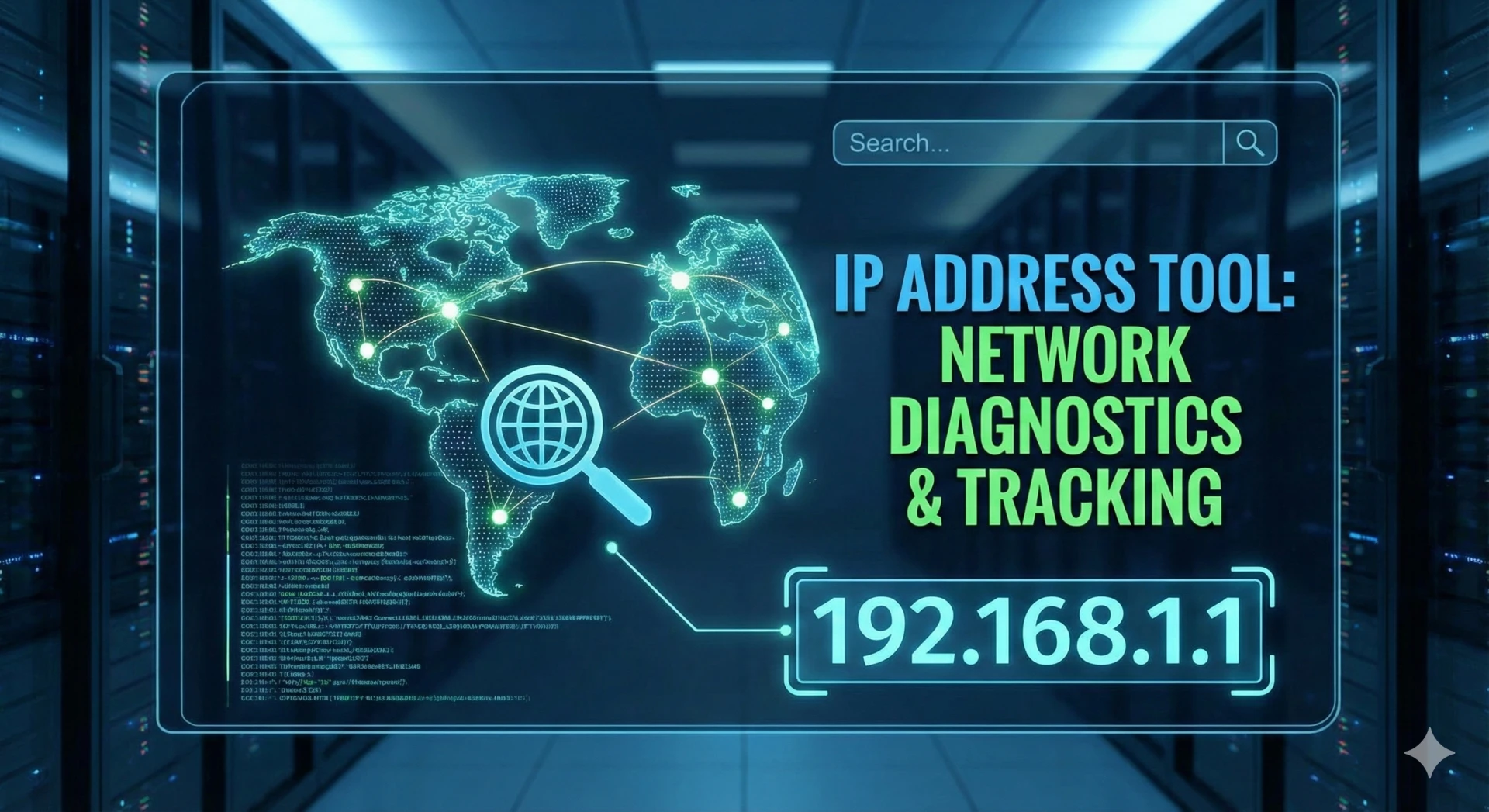

In modern networking, an IP address serves as a unique identifier for every device connected to a network, enabling communication between computers, servers, routers, and other networked devices. Efficient management of IP addresses is crucial for maintaining seamless network operations, and this is where the concept of an IP address pool becomes essential.
An IP address pool is a predefined range or collection of IP addresses that a network administrator allocates for use by devices within a network. These pools are typically managed by network services such as Dynamic Host Configuration Protocol (DHCP) servers, which assign IP addresses dynamically to devices when they connect to the network. By maintaining a pool of available addresses, administrators ensure that every device receives a unique IP address without conflicts, simplifying network management and enhancing reliability.
IP address pools can be designed for IPv4 or IPv6 networks. In IPv4, address exhaustion is a common challenge due to the limited number of available addresses. For example, a private IPv4 network may define a pool ranging from 192.168.1.100 to 192.168.1.200 for dynamic assignment. This ensures that devices connecting to the network, such as laptops, smartphones, and IoT devices, receive an IP address from the designated range automatically. In contrast, IPv6, with its vastly larger address space, allows for significantly larger pools, often simplifying allocation and management.
One key advantage of using IP address pools is dynamic allocation. When a device joins a network, it requests an IP address from the DHCP server, which then assigns an available address from the pool for a specified period known as a lease time. Once the lease expires, the address may return to the pool for reuse. This dynamic approach reduces the likelihood of IP conflicts and ensures optimal utilization of available addresses, especially in environments with a high turnover of connected devices.
Another benefit is centralized management. Network administrators can monitor and control the distribution of IP addresses from a single interface. They can set aside specific addresses within the pool for static assignment to critical devices, such as servers, printers, or routers, while allowing the remainder to be allocated dynamically. This hybrid approach ensures that essential infrastructure always has predictable addresses while maintaining flexibility for transient devices.
IP address pools are also crucial in large-scale networks and enterprise environments. Organizations with hundreds or thousands of devices benefit from automated address management because manual configuration would be error-prone and time-consuming. Pools also facilitate subnetting, allowing administrators to segment a network into smaller, more manageable sections, each with its own dedicated pool. This enhances security, improves performance, and simplifies troubleshooting.
In addition to internal network management, IP address pools play a vital role in cloud computing, ISPs, and data centers. Service providers use large pools to allocate addresses to clients on-demand, enabling scalable and efficient network services. Similarly, cloud platforms rely on pools to assign public or private IP addresses to virtual machines and containers, ensuring proper connectivity and resource optimization.
Modern IP address management solutions (IPAM) integrate with pools to provide automation, reporting, and analytics. Administrators can track usage patterns, predict future address requirements, and avoid exhaustion issues proactively. This level of control is especially important with IPv4 scarcity and the growing adoption of IoT devices, which can rapidly consume available IP addresses.
In conclusion, an IP address pool is a foundational component of effective network management. It ensures unique address allocation, enables dynamic assignment, supports centralized control, and scales efficiently to meet the demands of large, complex networks. By leveraging IP address pools, organizations can maintain operational efficiency, reduce errors, and future-proof their networking infrastructure against the increasing demands of modern connectivity.





























Sign in to leave a comment.