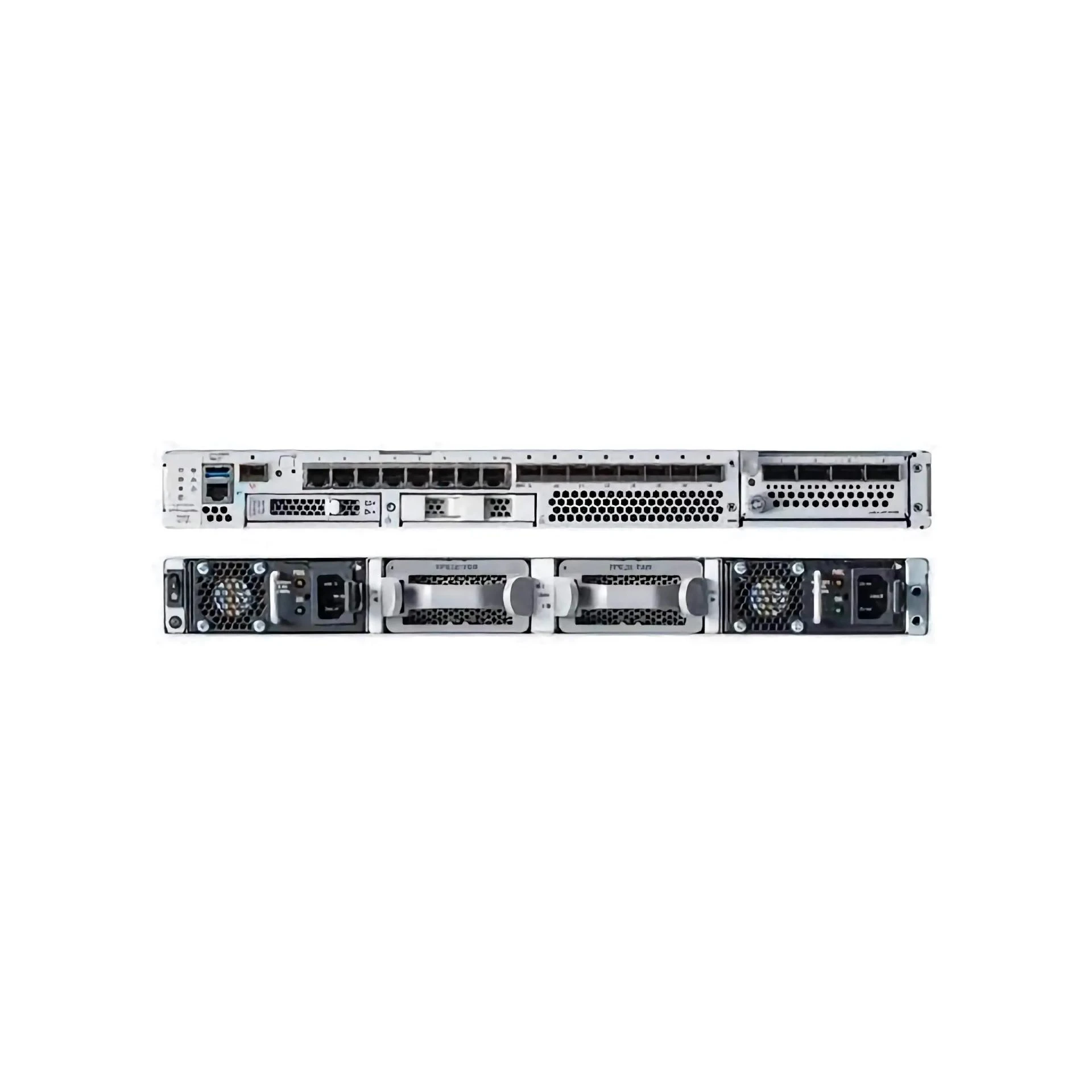

In today’s digital-first world, organizations face a growing number of cybersecurity risks. From ransomware attacks to phishing attempts and unauthorized access, network security has become a core priority for businesses of all sizes. Cisco firewall plays a central role in protecting IT environments by controlling incoming and outgoing traffic based on defined security rules.
A modern firewall is no longer just a barrier between internal and external networks. It has evolved into an intelligent security solution that can detect threats, monitor applications, and provide deeper visibility into network activity.
What Is a Firewall and Why Is It Important?
A firewall is a security system designed to filter network traffic and prevent unauthorized access. It works by examining data packets and deciding whether they should be allowed through or blocked.
Firewalls are essential because they:
- Protect sensitive business and customer information
- Reduce exposure to cyber threats
- Help enforce security policies
- Provide monitoring and reporting capabilities
With hybrid work models and cloud adoption increasing, firewall solutions are now expected to offer advanced features beyond traditional filtering.
The Shift Toward Next-Generation Firewalls
Traditional firewalls focused mainly on IP addresses and port control. However, modern threats require deeper inspection and smarter defenses.
Next-generation firewalls (NGFWs) offer features such as:
- Application awareness and control
- Intrusion prevention systems (IPS)
- Encrypted traffic inspection
- Threat intelligence integration
- Advanced malware protection
This evolution has made solutions like the cisco firewall a widely discussed option in enterprise network security strategies.
Key Features Businesses Should Look For
When selecting a firewall solution, it is important to evaluate both performance and security depth. Here are some key features organizations should consider:
1. Threat Detection and Prevention
Modern firewalls should identify suspicious patterns and block malicious activity before it impacts systems.
2. Centralized Management
Security teams benefit from unified dashboards that simplify configuration, monitoring, and updates.
3. Scalability for Growing Networks
As organizations expand, firewalls must handle increasing bandwidth demands without performance loss.
4. Support for Zero Trust Models
Firewalls should integrate into broader security frameworks where no user or device is automatically trusted.
Cisco’s Role in Enterprise Firewall Technology
Cisco has long been recognized for building networking and security infrastructure that supports enterprises globally. As a leading cisco product provider, Cisco integrates firewall solutions with broader ecosystem tools such as secure access, monitoring, and threat intelligence platforms.
Cisco’s firewall approach focuses on:
- Visibility across network environments
- Automated threat response
- Secure segmentation for critical assets
These capabilities make Cisco firewalls relevant for industries such as finance, healthcare, education, and government.
Spotlight on Cisco Firepower Firewall Solutions
Cisco’s Firepower series is designed to deliver next-generation firewall protection with advanced threat defense.
One notable model is the Cisco FPR3105-NGFW-K9 - Secure Firewall, which is built to support mid-sized organizations and distributed enterprise environments. It combines high throughput with integrated security services.
The Cisco Firepower 3100 family is often associated with strong performance, flexible deployment, and robust threat prevention features. These devices are designed to address both perimeter security and internal segmentation needs.
How Firewalls Support Compliance and Risk Management
Beyond blocking threats, firewalls also help businesses meet regulatory requirements. Many compliance standards require organizations to implement strong access controls and continuous monitoring.
Firewalls support compliance by:
- Logging traffic activity for audits
- Enforcing segmentation policies
- Preventing unauthorized data transfers
- Supporting secure remote access
For organizations aiming to reduce operational risk, firewall deployment is a foundational step.
Best Practices for Firewall Implementation
To maximize firewall effectiveness, organizations should follow these best practices:
- Regularly update firewall firmware and security rules
- Enable intrusion prevention and threat intelligence feeds
- Perform periodic security audits
- Segment networks to reduce lateral movement
- Train IT teams on firewall monitoring and response
A properly configured cisco firewall can strengthen an organization’s overall cybersecurity posture when combined with good security governance.
Conclusion
Firewalls remain one of the most critical components of modern network defense. As cyber threats become more complex, businesses need solutions that provide deeper inspection, smarter automation, and scalable protection.
Understanding next-generation firewall capabilities and choosing the right model helps organizations secure operations, protect data, and maintain trust in an increasingly connected world.
FAQs
What is the main purpose of a firewall?
A firewall protects networks by filtering traffic and blocking unauthorized access based on security rules.
What makes next-generation firewalls different?
NGFWs provide advanced features like application control, intrusion prevention, and threat intelligence integration.
Are Cisco Firepower firewalls suitable for enterprises?
Yes, Cisco Firepower models are designed to support enterprise-grade security with high performance and threat defense.
How often should firewall rules be reviewed?
Firewall policies should be reviewed regularly, often quarterly or after major network changes.
Can firewalls help with compliance?
Yes, firewalls support compliance by enforcing access controls, logging activity, and preventing unauthorized data movement.
























Sign in to leave a comment.