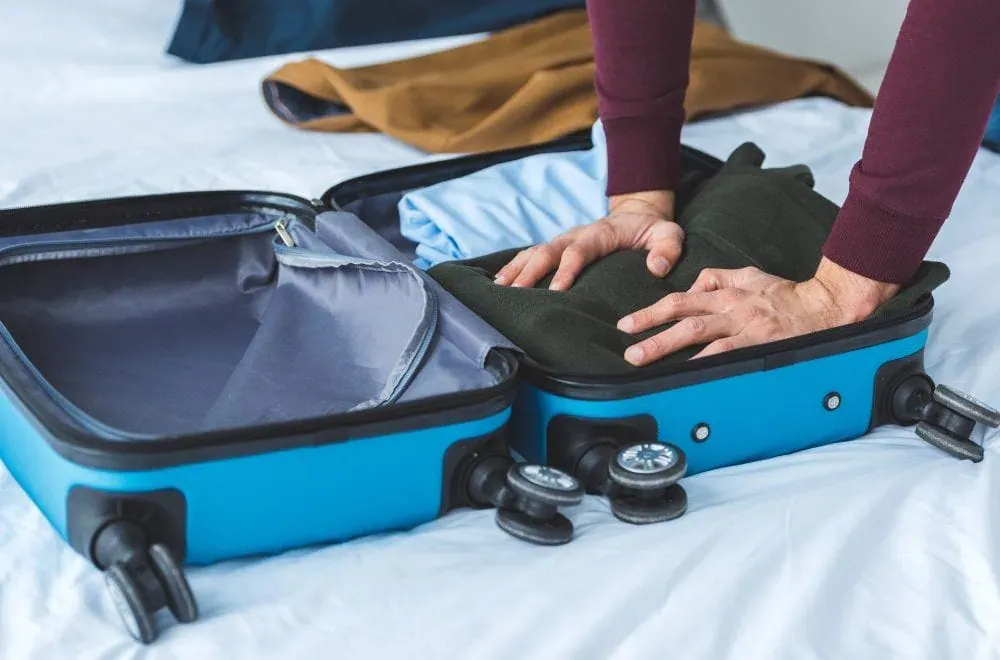

New Zealand is recognised around the world for its unique wildlife, native forests, and agricultural industries. Protecting these natural assets is a national priority, which is why the country has some of the strictest biosecurity regulations anywhere in the world. While these rules apply to all travellers, they become particularly important for people relocating with household belongings.
Understanding how New Zealand's biosecurity system works before you begin packing can help you avoid unnecessary delays, inspection costs, or the disappointment of having certain items confiscated. For individuals and families moving to New Zealand from Australia, a little preparation before departure often makes the arrival process far smoother.
Why Biosecurity Matters So Much in New Zealand
Unlike many countries, New Zealand has evolved in relative isolation. This has allowed many native plants and animals to develop without the pests and diseases found elsewhere in the world. Introducing foreign insects, plant diseases, or invasive species could have significant environmental and economic consequences.
For this reason, New Zealand authorities carefully inspect incoming household goods, outdoor equipment, and other personal belongings that could carry soil, seeds, insects, or organic material. The regulations are not designed to make moving more difficult. Instead, they are intended to protect the country's ecosystems, farming industries, and biodiversity for future generations.
Knowing this context helps explain why items that may seem harmless are often subject to inspection.
Household Items That May Require Inspection
Many everyday belongings can be imported into New Zealand without issue, though some items naturally receive closer attention because they have been exposed to outdoor environments or natural materials.
Items that commonly undergo inspection include:
Camping equipment
Bicycles
Golf clubs and sporting equipment
Garden tools
Outdoor furniture
Horse riding equipment
These belongings should be cleaned thoroughly before packing. Even small amounts of dirt, grass, or plant material can result in additional inspections or cleaning requirements after arrival.
Vacuum cleaners also receive particular attention because they can retain dust, seeds, and organic matter. Emptying and cleaning them thoroughly before shipping is a simple step that may help avoid delays.
Wooden furniture, wicker products, and items made from natural fibres may also be examined to ensure they do not contain pests or untreated materials.
Items That May Be Restricted or Prohibited
Some products are either prohibited altogether or subject to much stricter controls than ordinary household goods.
Food products often attract particular scrutiny. While commercially manufactured and sealed products may sometimes be permitted, fresh foods, many dairy products, honey, spices prepared outside commercial facilities, and meat products are commonly restricted.
Plant materials present another area of concern. Live plants, seeds, bulbs, untreated timber, and some decorative natural products may require permits or may not be allowed into the country.
Items made from protected wildlife species can also present difficulties. Ivory, turtle shell, certain animal trophies, and products derived from endangered species are heavily regulated under international conservation agreements.
If you are unsure about whether a particular item can be imported, researching the latest requirements before packing can save considerable time later.
Preparing Before You Pack
One of the simplest ways to reduce complications is to begin preparing well before your belongings are packed.
Cleaning outdoor equipment thoroughly, separating potentially restricted items, and keeping accurate inventories all contribute to a smoother inspection process. Taking photographs of valuable or unusual belongings before shipment can also be useful should questions arise later. Many people also work closely with moving overseas companies during this stage to ensure documentation and packing requirements are managed correctly before shipment.
It is equally important to remain honest when completing any declarations. Attempting to conceal restricted goods or providing incomplete information can lead to penalties and unnecessary delays. Biosecurity officers are primarily focused on protecting New Zealand's environment, and clear documentation helps them assess incoming shipments more efficiently.
Understanding the inspection process ahead of time also helps set realistic expectations. Some shipments are inspected routinely, while others are selected based on the types of goods being imported. An inspection does not necessarily indicate that something has gone wrong.
Conclusion
New Zealand's biosecurity regulations play an essential role in protecting the country's natural environment and agricultural industries. Although the rules can appear strict, they become much easier to navigate with some early preparation. Cleaning household items thoroughly, understanding which goods may require inspection, and researching restrictions before packing can all contribute to a smoother relocation experience. A little planning before departure can help ensure your belongings arrive with fewer unexpected complications.






























Sign in to leave a comment.