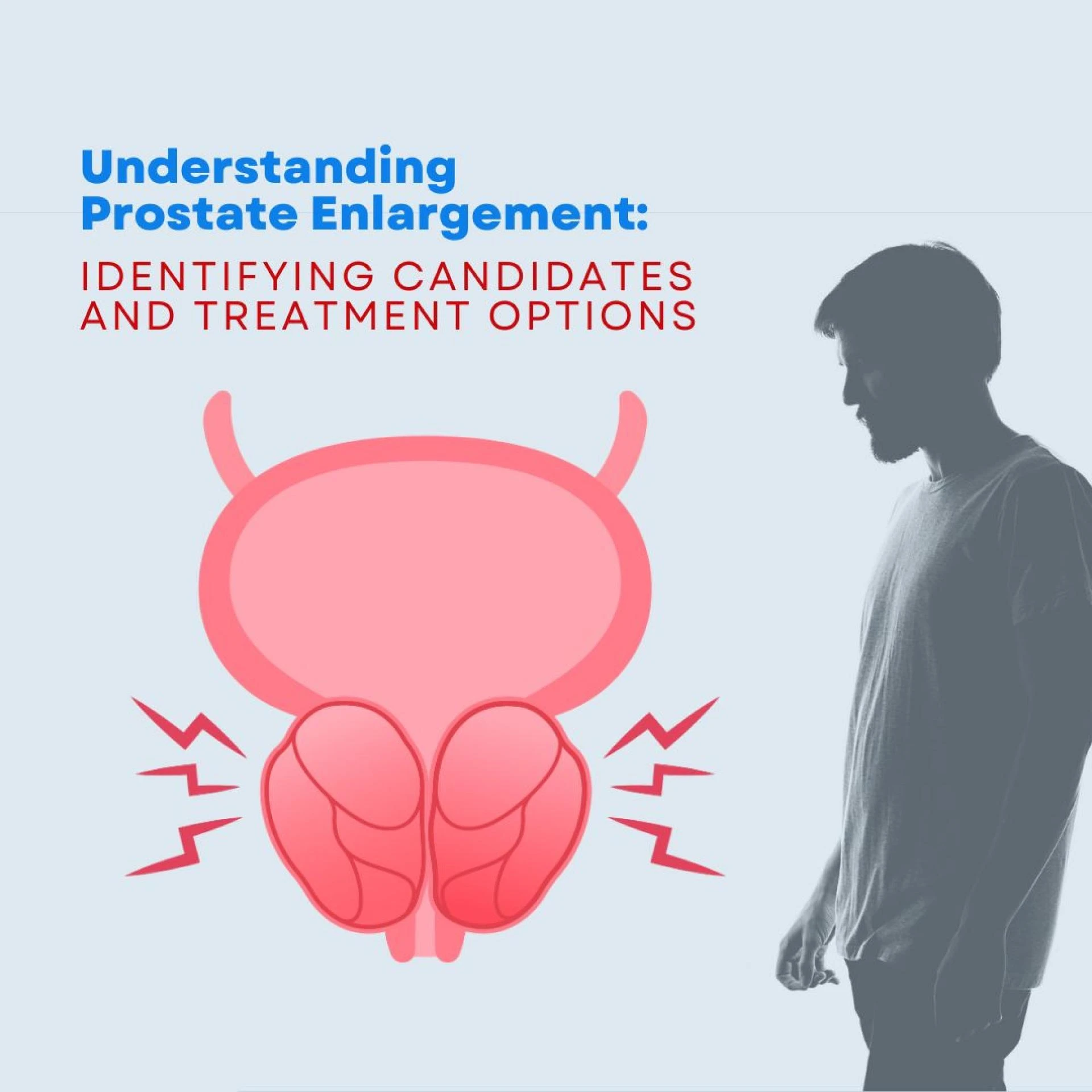

Prostate enlargement, also known as benign prostatic hyperplasia (BPH), is a common condition among aging men. As the prostate gland grows larger, it can lead to bothersome urinary symptoms and affect quality of life. Recognizing the candidates for prostate enlargement is crucial for timely intervention and management. This article explores the factors contributing to prostate enlargement and outlines effective treatment options to alleviate symptoms and improve overall well-being.
Who are the Candidates for Prostate Enlargement?
Prostate enlargement primarily affects men as they age, with the risk increasing significantly after the age of 40. While the exact cause of BPH is not fully understood, several factors contribute to its development:
Age: Aging is the primary risk factor for prostate enlargement. As men age, hormonal changes, specifically the gradual increase in dihydrotestosterone (DHT), can lead to prostate growth.Family History: Individuals with a family history of BPH are more likely to develop the condition themselves. Genetic factors play a role in predisposing certain individuals to prostate enlargement.Hormonal Imbalance: Changes in hormone levels, particularly the balance between testosterone and DHT, can influence prostate growth. Hormonal fluctuations associated with aging may contribute to the development of BPH.Lifestyle Factors: Certain lifestyle factors, such as obesity, lack of physical activity, and poor diet, may increase the risk of prostate enlargement. These factors can exacerbate symptoms and contribute to the progression of BPH.Medical Conditions: Certain medical conditions, such as diabetes and cardiovascular disease, have been linked to an increased risk of prostate enlargement. These conditions may exacerbate symptoms or complicate treatment approaches.Prostate Enlargement Treatment Options: Effective management of prostate enlargement focuses on alleviating symptoms, improving urinary flow, and minimizing complications.
Treatment options may vary depending on the severity of symptoms and individual preferences. Key prostate enlargement treatment options include:
Medications:
Alpha-blockers: These medications relax the muscles of the prostate and bladder neck, improving urine flow and reducing urinary symptoms.5-alpha-reductase inhibitors: These drugs reduce the production of DHT, thereby shrinking the prostate gland and relieving symptoms over time.Combination therapy: Combining alpha-blockers and 5-alpha-reductase inhibitors may provide enhanced symptom relief for some individuals.
Minimally Invasive Procedures:
Transurethral Microwave Thermotherapy (TUMT): This procedure uses microwave energy to heat and destroy prostate tissue, reducing obstruction and improving urinary flow.Transurethral Needle Ablation (TUNA): TUNA utilizes radiofrequency energy to heat and shrink prostate tissue, relieving urinary symptoms.Prostatic Urethral Lift (UroLift): UroLift involves the placement of implants to lift and hold the enlarged prostate tissue, opening the urethra and improving urinary flow.
Surgical Interventions:
Transurethral Resection of the Prostate (TURP): TURP is a surgical procedure in which excess prostate tissue is removed using a resectoscope inserted through the urethra.Holmium Laser Enucleation of the Prostate (HoLEP): HoLEP utilizes laser energy to remove prostate tissue, effectively relieving obstruction and improving urinary symptoms.Prostate enlargement is a common condition that affects aging men, impacting urinary function and quality of life. Understanding the candidates for prostate enlargement and recognizing the contributing factors is essential for early detection and intervention. With a variety of treatment options available, individuals diagnosed with BPH can work with their healthcare providers to develop personalized treatment plans aimed at alleviating symptoms and improving overall well-being. Early diagnosis and proactive management are key to optimizing outcomes and maintaining urinary health in men affected by prostate enlargement.

































Sign in to leave a comment.