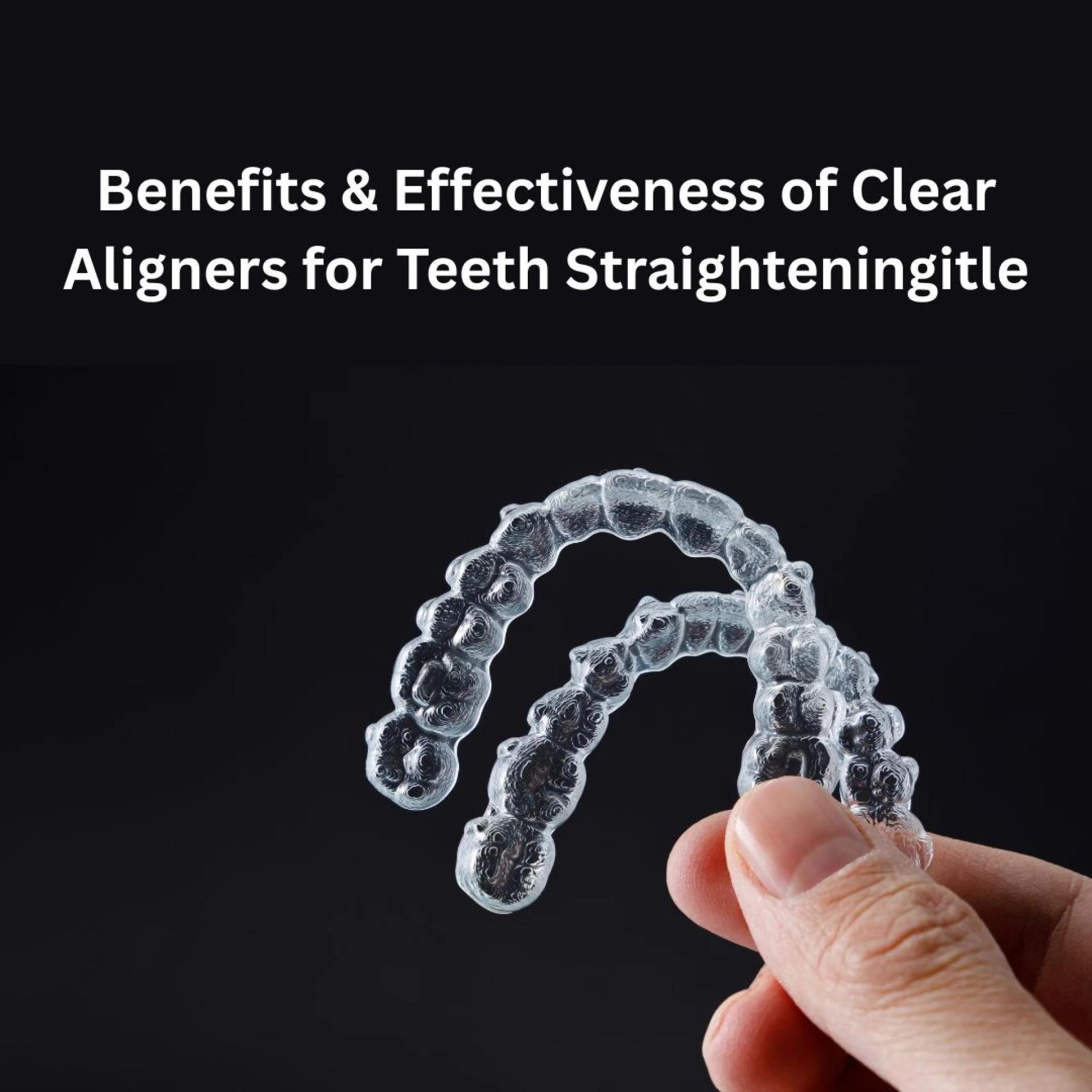

Clear aligners have revolutionized orthodontic treatment, offering a discreet and convenient alternative to traditional braces. But how effective are they for teeth straightening? In this article, we explore their effectiveness, the pros and cons, and their ability to correct dental issues like overbite and underbite.
How Effective Are Clear Aligners for Teeth Straightening?
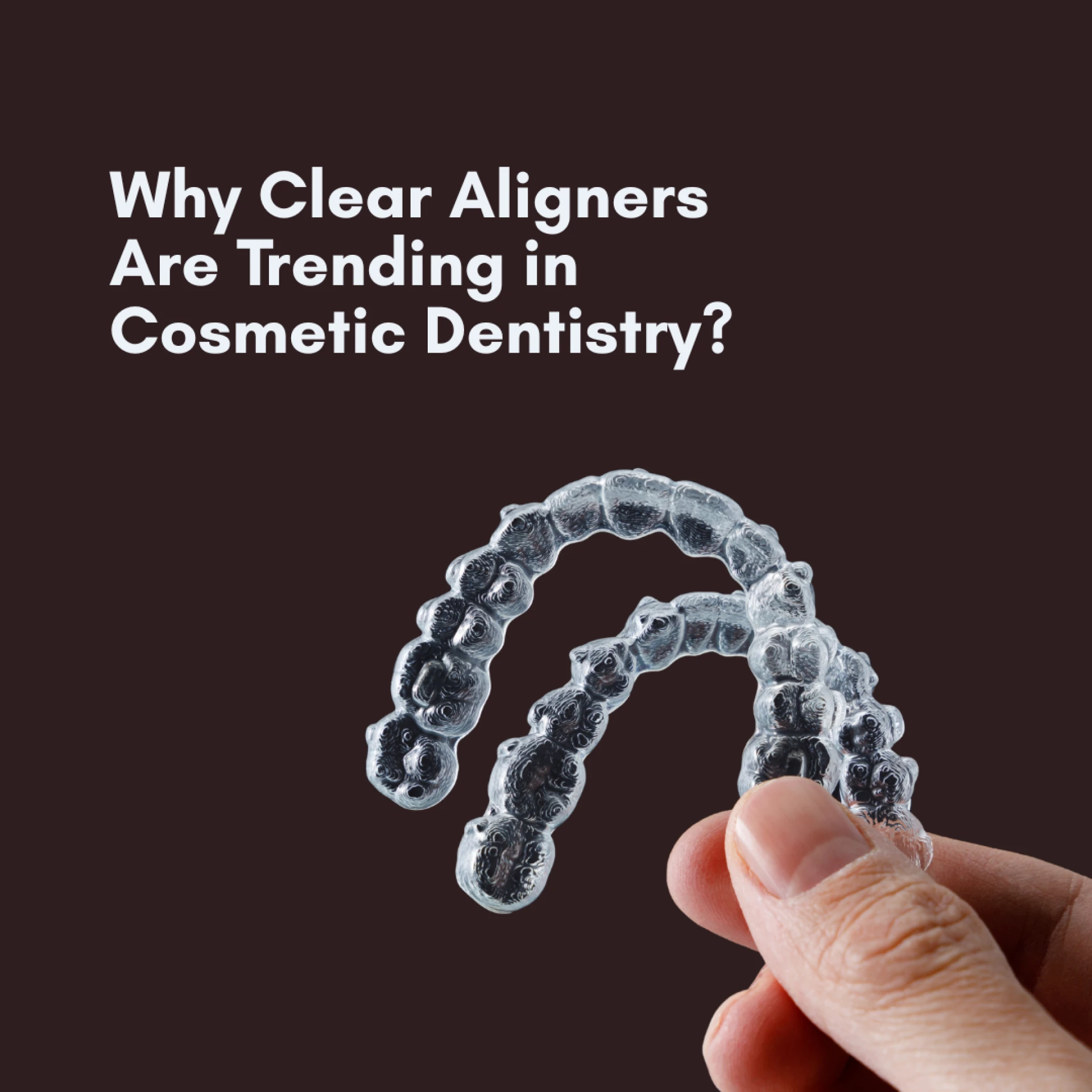
Clear aligners, such as Invisalign and other brands, are custom-made, removable trays that gradually shift teeth into their desired position. Their effectiveness depends on various factors, including the severity of misalignment, patient compliance, and treatment planning.
Effectiveness Factors
- Mild to Moderate Cases: Clear aligners work best for mild to moderate teeth misalignments, including gaps, crowding, and minor bite issues.
- Advanced Technology: Using 3D imaging and digital treatment planning, clear aligners precisely map out tooth movements, enhancing their effectiveness.
- Patient Commitment: Since aligners must be worn for 20–22 hours per day, patient adherence significantly affects results.
- Complex Cases: Severe misalignments may require additional orthodontic treatment, such as attachments or interproximal reduction (IPR), to achieve desired results.
Numerous studies show that clear aligners can be as effective as traditional braces for mild to moderate cases, provided patients follow their treatment plan correctly.
The Pros and Cons of Clear Aligners: What You Need to Know
Like any orthodontic solution, clear aligners have advantages and drawbacks.
Pros:
✅ Aesthetically Pleasing: Unlike metal braces, clear aligners are virtually invisible, making them ideal for professionals and social settings.
✅ Removable: Users can take them out for eating, drinking, brushing, and flossing, improving oral hygiene.
✅ Comfortable: Made from smooth plastic, clear aligners eliminate the discomfort of wires and brackets.
✅ Fewer Dental Visits: Unlike traditional braces, which require frequent adjustments, clear aligners typically involve fewer in-office visits.
✅ Shorter Treatment Time: In some cases, treatment can be completed faster than traditional braces, especially for minor corrections.
Cons:
❌ Discipline Required: Since they are removable, patients must be diligent about wearing them as instructed.
❌ Not Suitable for Severe Cases: Traditional braces may be a better option for extreme misalignments or complex bite issues.
❌ Initial Discomfort: Some users experience mild soreness during the adjustment period.
❌ Cost: Depending on the provider and treatment complexity, clear aligners can be more expensive than traditional braces.
Can Clear Aligners Fix Overbite, Underbite, and Other Dental Issues?
Clear aligners are designed to correct a variety of dental misalignments, but their effectiveness depends on the severity of the case.
Overbite:
✅ Mild to Moderate Overbites: Clear aligners can successfully shift teeth to improve overbite. ❌ Severe Overbites: May require additional orthodontic interventions, such as rubber bands or jaw surgery.
Underbite:
✅ Mild Cases: Clear aligners can gradually reposition lower teeth to reduce an underbite.
❌ Severe Cases: Patients with skeletal underbites may require traditional braces or surgical correction.
Crowding & Spacing Issues:
✅ Highly Effective: Clear aligners work well for correcting crowded or gapped teeth by gradually moving them into alignment.
Crossbite & Open Bite:
✅ Correctable with Aligners: Many cases of crossbite and open bite can be treated with clear aligners, but more complex cases may need additional orthodontic support.
Clear aligners offer an effective, comfortable, and aesthetically pleasing solution for teeth straightening. They are particularly effective for mild to moderate misalignments, but patient commitment is crucial for success. While they can correct many bite issues, severe cases may require additional treatment.
If you're considering clear aligners, consult with an orthodontist to determine if they are the right option for you!




























Sign in to leave a comment.