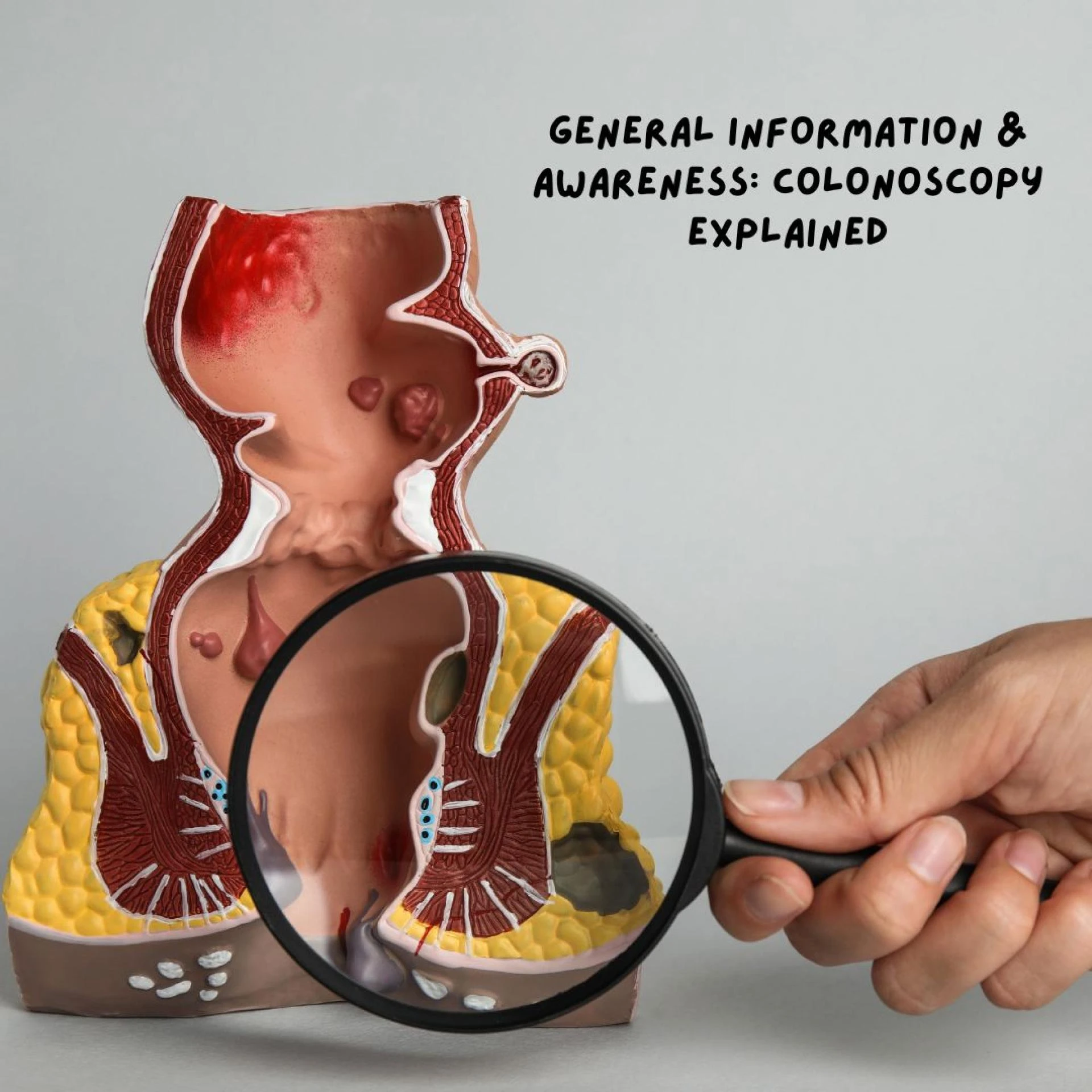

What Is a Colonoscopy and Why Is It Important?
A colonoscopy is a medical procedure that allows doctors to examine the inside of the colon and rectum using a flexible tube with a tiny camera called a colonoscope. This test is primarily used to detect abnormalities such as polyps, ulcers, and signs of colorectal cancer.
Why Is a Colonoscopy Important?
- Early Detection of Colorectal Cancer – Colonoscopies can identify cancerous and precancerous polyps early, significantly increasing the chances of successful treatment.
- Polyp Removal – Doctors can remove polyps during the procedure, preventing them from turning into cancer.
- Diagnosis of Digestive Disorders – Colonoscopies can help diagnose inflammatory bowel disease (IBD), Crohn’s disease, ulcerative colitis, and unexplained gastrointestinal symptoms like bleeding or persistent diarrhea.
- Prevention & Peace of Mind – Regular screenings can prevent serious conditions and provide reassurance about colon health.
Who Needs a Colonoscopy? Screening Guidelines by Age & Risk Factors
Screening Guidelines by Age
- Average Risk Individuals – People with no family history of colorectal cancer should begin screening at age 45 and continue at regular intervals.
- High-Risk Individuals – Those with a family history of colorectal cancer, inflammatory bowel disease, or genetic syndromes like Lynch syndrome may need screening as early as age 40 (or 10 years before the youngest affected relative was diagnosed).
- Elderly Patients – Individuals over 75 should consult their doctor to determine if continued screenings are necessary based on their overall health.
Risk Factors That May Require Earlier or More Frequent Screenings
- Family history of colorectal cancer or polyps
- Personal history of polyps or colorectal cancer
- Chronic inflammatory conditions (e.g., Crohn’s disease, ulcerative colitis)
- Lifestyle factors such as smoking, obesity, and a diet high in red or processed meats
Colonoscopy vs. Other Colon Cancer Screening Methods: Which One Is Right for You?
There are several ways to screen for colorectal cancer, and choosing the right method depends on individual risk factors and preferences.
Colonoscopy (Gold Standard)
✅ Pros:
- The most accurate method for detecting cancer and polyps
- Allows immediate polyp removal
- Only needed once every 10 years for low-risk individuals
❌ Cons:
- Requires bowel preparation
- Slight risk of complications (perforation, bleeding)
- Requires sedation and time off from work
Other Screening Methods
- Fecal Immunochemical Test (FIT) or Guaiac-based Fecal Occult Blood Test (gFOBT)
- Detects hidden blood in stool
- Done annually
- Less invasive, but cannot detect polyps
- Stool DNA Test (e.g., Cologuard)
- Detects DNA mutations and blood in stool
- Recommended every 1-3 years
- High sensitivity but more expensive than FIT/gFOBT
- Flexible Sigmoidoscopy
- Examines only the lower part of the colon
- Requires less prep than a colonoscopy
- Done every 5 years (or every 10 years with FIT testing)
- CT Colonography (Virtual Colonoscopy)
- Uses imaging to create a 3D model of the colon
- No sedation required, but polyps cannot be removed
- Done every 5 years
Which One Is Right for You?
- Colonoscopy is recommended for most individuals, especially those at higher risk.
- Non-invasive tests (FIT, stool DNA) may be better for those who want to avoid colonoscopy but require more frequent testing.
- CT colonography or sigmoidoscopy can be alternatives but may not detect all abnormalities.
How Often Should You Get a Colonoscopy? Expert Recommendations
The frequency of colonoscopy screenings depends on individual risk factors and past test results.
For Average-Risk Individuals:
- Start at age 45
- If no polyps are found, repeat every 10 years
- If polyps are detected, screening frequency may increase to every 3-5 years
For High-Risk Individuals:
- Screening may start at age 40 (or earlier, based on family history)
- Colonoscopies may be required every 1-5 years, depending on findings
After a Normal Colonoscopy:
- If no issues are found, the next screening is usually in 10 years
- If small polyps are removed, a follow-up colonoscopy may be recommended in 3-5 years
- If abnormal findings or a history of cancer are present, follow-ups may be needed every 1-3 years
A colonoscopy is a crucial screening tool for detecting and preventing colorectal cancer. Understanding when and how often you need one, as well as the available alternative screening methods, helps you make informed decisions about your health. If you’re unsure about when to start or what method is best for you, consult your doctor to develop a personalized screening plan.
Early detection saves lives—don’t delay your screening!





























Sign in to leave a comment.