
Introduction
Choosing the right set of dentures can drastically improve the quality of life for an individual with missing teeth. Denture types include partial and full, both of which come in different materials. Today, we are going to explore the most widely used types – flexible dentures and acrylic dentures. By examining their advantages and disadvantages, we aim to provide you with the necessary knowledge to make informed decisions when it comes to your dental health.
Overview of Flexible Dentures:
Flexible dentures, as hinted by the name, have a certain flexibility that allows them to conform effectively to your mouth's shape. The base of these dentures is made from a type of nylon and is usually translucent to match the natural gum color, thus providing a more aesthetic look. Here are some notable advantages of flexible dentures:
- They provide a better fit, reducing the need for metal clasps.
- These dentures are less prone to breakage thanks to their durability.
- They afford greater comfort, due to their thin and lightweight design.
Despite these advantages, flexible dentures also come with some disadvantages:
- They're more challenging to reline or adjust, a process that's often required with bone loss.
- Professional cleaning is necessary as they can stain over time.
Overview of Acrylic Dentures:
On the other hand, acrylic dentures, also known as plastic dentures, are more traditional. They have a rigid base made from an acrylic resin material, usually pink to resemble gums. Here's what you need to know about acrylic dentures:
- They are highly customizable in terms of appearance, including tooth shape, size, and color.
- These dentures are easy to reline or adjust.
- They can be relatively cheaper than flexible dentures.
However, acrylic dentures also present their share of challenges:
- They tend to be bulkier and may feel uncomfortable initially.
- They are more prone to fractures or cracks if dropped.
- They may cause sore spots if not fitted properly.
Choosing between these two dental prosthetics will depend on your personal needs and dental conditions. Be sure to consult with your dental professional before making a decision.
Pros and Cons of Flexible Dentures:
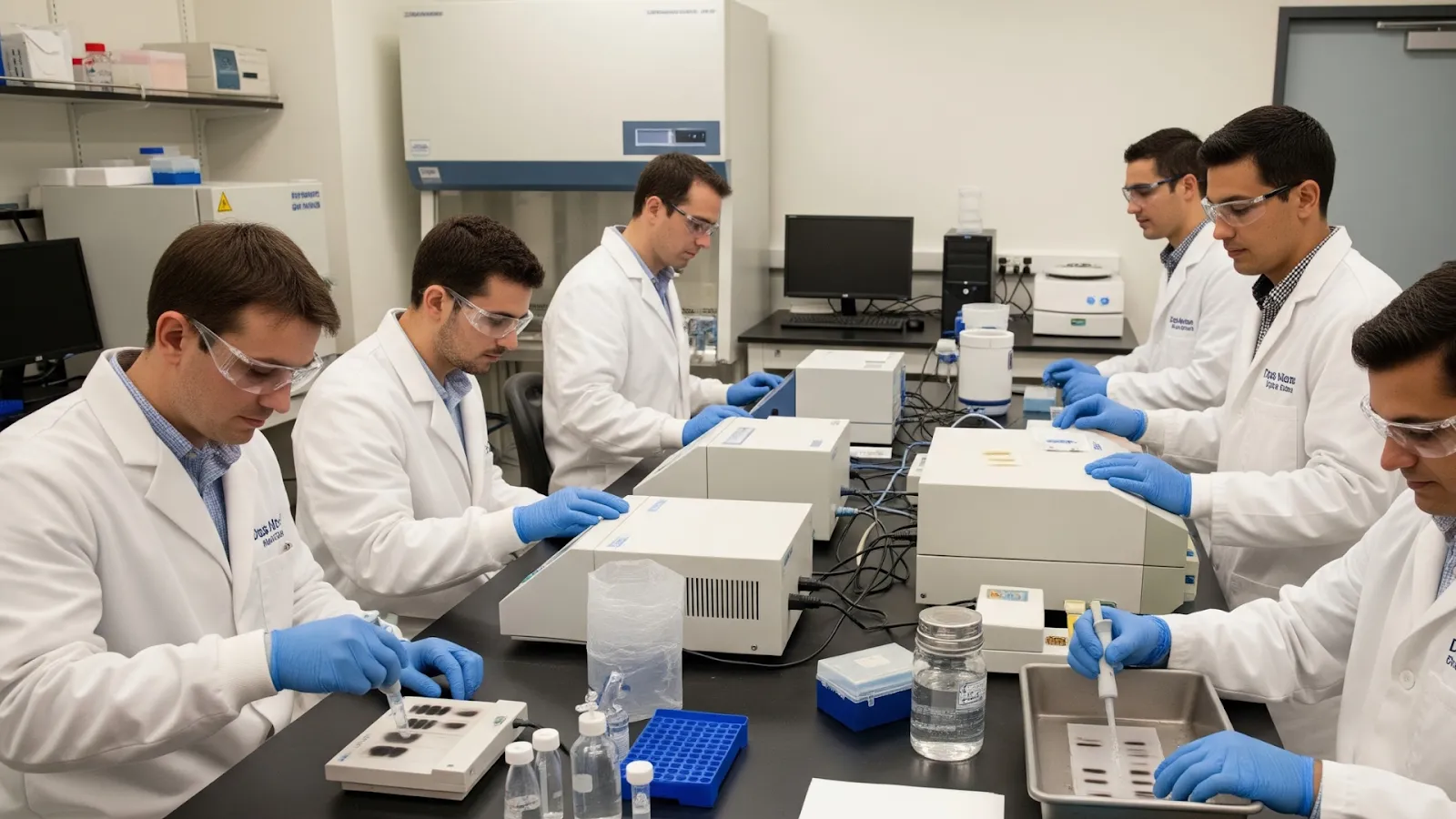
Flexible dentures laboratory have surged in popularity in recent years due to their comfort and fit. However, like any dental appliance, flexible dentures have their pros and cons.
Advantages of Flexible Dentures:
Comfort is a major selling point. Flexible dentures are designed to flex with your mouth's natural movements, reducing discomfort often associated with traditional acrylic dentures. Because of their softer material, they fit snugly into the mouth, reducing the risk of slippage.
• Aesthetic Appeal: These dentures are translucent, which means they absorb the color of the natural gums, resulting in a more natural-looking smile.
• Durability: Despite their flexibility, these dentures are robust and less prone to breakage, especially compared to their acrylic counterparts.
• Allergy-Free: For those allergic to acrylic or other denture materials, flexible dentures can be a great alternative since they're made from hypoallergenic materials.
Disadvantages of Flexible Dentures:
Despite the benefits, there are a few concerns to be addressed. Flexible dentures, though durable, can't be relined, so a new set is required if your oral shape changes.
• Limited Repairability: If a part gets damaged or worn out, typically the entire denture has to be replaced.
• Cost: They are usually more costly than traditional acrylic dentures due to the advanced technology and materials involved.
• Odor and Stains: Flexible dentures can hold more odors and stains than other types, necessitating strict hygiene routines.
Pros and Cons of Acrylic Dentures:
Getting to know the pros and cons of acrylic dentures will enable a better understanding of this common type of denture.
Advantages of Acrylic Dentures:
Acrylic dentures have a long track record extending over decades and have numerous advantages attesting to their popularity. Here are a few:
• Affordability: Compared to most other denture types, acrylic dentures are considerably less expensive, making them accessible to a broader range of patients.
• Adjustability: Acrylic dentures can be easily adjusted in terms of shape and color to fit the individual patient's needs perfectly.
• Ease of Repair: These dentures are easily repairable if they crack or break, reducing the potential stress and cost associated with denture damage.
Disadvantages of Acrylic Dentures:
However, acrylic dentures are not without their drawbacks. Some of the primary disadvantages include:
• Weight: Acrylic dentures are heavier and might feel bulkier in the mouth compared to flexible dentures.
• Durability: They are more likely to break if dropped due to their brittle nature.
• Comfort: Over time, as the gums and bones change shape, acrylic dentures may not fit as snugly, resulting in discomfort and potential sores.
Despite these drawbacks, acrylic dentures remain a popular choice due to their affordability and adjustability. Be sure to consult with your dental professional to choose the best flexible teeth dentures price option for your specific needs.
In conclusion, both flexible and acrylic dentures offer unique benefits and disadvantages. Your choice between these two types of dentures will greatly depend on your individual needs, lifestyle, oral health, and budget constraints. Remember, it's essential to consult with your dental professional to ensure you're making the most informed decision for your oral health.


























Sign in to leave a comment.