

If you’ve ever wondered about Hysteroscopy surgery and its role in women’s health, you’re not alone. This minimally invasive procedure has become a crucial diagnostic and therapeutic tool in gynecology, offering a clear window into the uterus for both patients and doctors. Whether you’re considering treatment for abnormal bleeding, recurrent miscarriages, or other uterine conditions, understanding the purpose and benefits of hysteroscopy is essential.

What is Hysteroscopy Surgery?
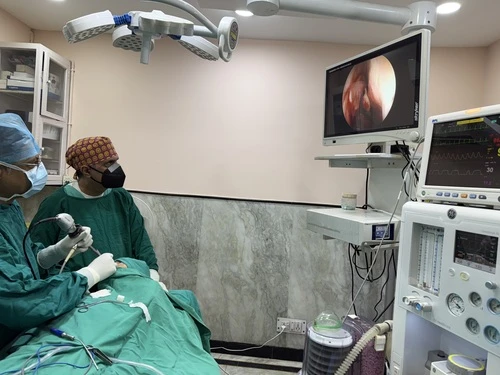
Hysteroscopy surgery is a medical procedure that allows a gynecologist to examine the inside of the uterus using a thin, lighted instrument called a hysteroscope. Unlike traditional surgical methods, hysteroscopy is minimally invasive, often performed on an outpatient basis, and provides immediate visual feedback to detect any abnormalities within the uterine cavity.
The hysteroscope is inserted through the vagina and cervix into the uterus, eliminating the need for external incisions. This approach makes the procedure safer, reduces recovery time, and enhances the accuracy of diagnosis.
Primary Purpose of Hysteroscopy Surgery
The main goal of hysteroscopy surgery is to diagnose and treat uterine problems that may affect fertility, menstrual health, or overall gynecological well-being. Here are the primary purposes of the procedure:
- Diagnosis of Abnormal Uterine Conditions
Hysteroscopy is highly effective in identifying structural abnormalities, including fibroids, polyps, adhesions (Asherman’s syndrome), and congenital uterine malformations. It helps doctors pinpoint the exact cause of irregular bleeding, heavy periods, or pelvic pain. - Treatment of Uterine Issues
Beyond diagnosis, hysteroscopy can be used therapeutically. Surgeons can remove polyps, fibroids, or scar tissue during the same procedure. This dual functionality often eliminates the need for multiple surgeries, making it convenient and efficient. - Assisting Fertility Treatments
For women facing infertility or recurrent miscarriages, hysteroscopy surgery plays a critical role. By assessing and correcting uterine anomalies, doctors can improve the chances of conception and successful pregnancy outcomes. - Prevention and Early Detection
Hysteroscopy is also used to detect precancerous or cancerous lesions in the uterus. Early identification of abnormal tissue allows for timely intervention, which can significantly improve prognosis and reduce the need for more invasive procedures, such as a hysterectomy surgery in Indore or elsewhere.
Benefits of Hysteroscopy Surgery
- Minimally Invasive: No external cuts mean minimal scarring and faster recovery.
- Quick Procedure: Many hysteroscopies are done in outpatient settings with same-day discharge.
- High Accuracy: Direct visualization ensures precise diagnosis and targeted treatment.
- Fertility Preservation: Correcting uterine problems without removing the uterus preserves reproductive potential.
Hysteroscopy vs. Hysterectomy
While hysteroscopy is a conservative approach focused on diagnosis and minor interventions, hysterectomy surgery in Indore involves removing the uterus entirely. Hysterectomy is generally reserved for severe conditions such as large fibroids, persistent abnormal bleeding, uterine cancer, or cases where conservative treatments have failed. Hysteroscopy can often help avoid a hysterectomy by addressing problems early, highlighting its importance in modern gynecological care.
Who Should Consider Hysteroscopy?
Hysteroscopy surgery is recommended for women experiencing:
- Heavy or irregular menstrual bleeding
- Postmenopausal bleeding
- Infertility or recurrent miscarriages
- Suspected uterine polyps, fibroids, or adhesions
- Persistent pelvic pain
Conclusion
In summary, the purpose of hysteroscopy surgery extends far beyond simple diagnosis. It is a vital tool in modern gynecology that helps identify, treat, and even prevent serious uterine conditions. By offering a minimally invasive solution, it improves patient outcomes and reduces the need for more extensive procedures like hysterectomy surgery in Indore. For women seeking safe, effective, and fertility-preserving options, hysteroscopy remains a cornerstone of proactive uterine care.


























Sign in to leave a comment.