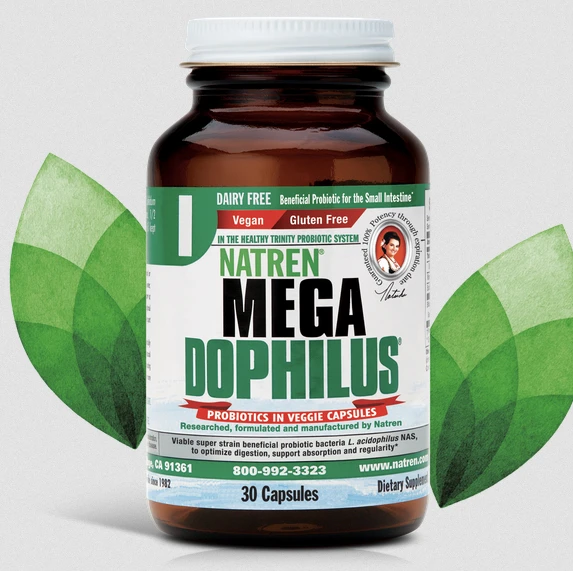

Small Intestinal Bacterial Overgrowth, commonly referred to as SIBO, is a condition that has garnered significant attention in recent years due to its complex nature and the myriad of symptoms it can trigger. Individuals suffering from SIBO often experience bloating, abdominal pain, diarrhea, and malnutrition, which can severely impact their quality of life. The relationship between SIBO and probiotics is intricate, as the use of probiotics has emerged as a potential therapeutic strategy in managing this condition. To navigate this relationship effectively, it is essential to explore what SIBO is, how probiotics work, and the search for the best probiotic for SIBO.
What is SIBO?
SIBO occurs when there is an abnormal increase in the number of bacteria in the small intestine. While the large intestine is home to trillions of bacteria that play a critical role in digestion, the small intestine typically contains a much lower concentration. When bacteria overpopulate this area, it can lead to fermentation of food before it has been properly digested. The symptoms of SIBO can often mimic those of other gastrointestinal disorders, making diagnosis challenging. To diagnose SIBO, healthcare practitioners typically utilize breath tests that measure hydrogen and methane levels after ingestion of a sugar solution. Increased levels of these gases indicate the presence of excessive bacteria.
The condition can be triggered by various factors, such as changes in diet, medications, or underlying health issues like irritable bowel syndrome (IBS), diabetes, or structural abnormalities in the intestines. Understanding these triggers is crucial for developing effective treatment strategies, as addressing the root causes can help reduce the recurrence of SIBO symptoms.
The Role of Probiotics in Gut Health
Probiotics are live microorganisms that, when consumed in adequate amounts, confer a health benefit on the host. They are primarily known for their ability to balance the gut microbiome, enhance digestion, and support the immune system. Probiotics can be found in fermented foods such as yogurt, kefir, sauerkraut, and in supplement form. They work by competing with harmful bacteria, enhancing the intestinal barrier, and modulating the immune response.
However, the relationship between probiotics and SIBO is not straightforward. In some cases, introducing probiotics to the gut can help restore a healthy balance of bacteria, promoting the growth of beneficial strains while inhibiting the growth of pathogenic ones. This is where the search for the best probiotic for SIBO comes into play. Specific strains may be more effective at addressing the unique challenges posed by SIBO compared to others.
Can Probiotics Help with SIBO?
The efficacy of probiotics in treating SIBO has been the subject of numerous studies, yielding mixed results. Some research indicates that certain probiotic strains can help alleviate the symptoms of SIBO by reducing bloating and gas production. For instance, a study published in the Journal of Clinical Gastroenterology found that patients who took a specific blend of probiotics experienced significant improvements in their symptoms compared to those who did not. The study highlighted the importance of strain specificity; not all probiotics are created equal, and some may be more beneficial for SIBO than others.
However, caution is warranted. In certain situations, introducing probiotics may exacerbate symptoms for some individuals, particularly those with severe overgrowth. The rationale behind this stems from the fact that adding more bacteria to an already overpopulated gut may lead to increased fermentation and gas production, worsening discomfort. This paradox highlights the necessity of a personalized approach when considering probiotics for SIBO management.
Finding the Best Probiotic for SIBO
Identifying the best probiotic for SIBO requires a nuanced understanding of the condition and the specific strains that may provide therapeutic benefits. Strains such as Lactobacillus plantarum and Saccharomyces boulardii have shown promise in some studies for their ability to restore the gut microbiome balance and inhibit the growth of harmful bacteria. Additionally, research has indicated that probiotics containing multiple strains may offer a synergistic effect, enhancing overall efficacy.
When searching for a probiotic, it is essential to consider factors such as the viability of the strains, the dosage, and the specific health needs of the individual. High-quality probiotics should list the number of colony-forming units (CFUs) on their labels and indicate the specific strains included. Consulting with a healthcare professional can help guide the selection process, ensuring that individuals choose a probiotic that aligns with their health needs and SIBO management strategy.
Lifestyle Factors and Dietary Changes
In addition to probiotics, lifestyle modifications and dietary changes can play a pivotal role in managing SIBO. A low-FODMAP diet, for example, has been recommended for individuals with SIBO as it reduces the intake of fermentable carbohydrates that can exacerbate symptoms. This diet focuses on limiting foods that contain short-chain carbohydrates, which are poorly absorbed in the small intestine and can contribute to bacterial overgrowth.
Moreover, incorporating prebiotics—non-digestible fibers that stimulate the growth of beneficial bacteria—can also be beneficial, as they help nourish the gut microbiome. However, individuals with SIBO should approach prebiotic consumption cautiously, as certain fibers may worsen symptoms. The delicate balance between promoting beneficial bacteria and avoiding the exacerbation of SIBO symptoms emphasizes the need for personalized dietary advice.
The Future of SIBO Treatment
As research continues to evolve, the future of SIBO treatment looks promising. Advances in our understanding of the gut microbiome and its relationship with various health conditions will likely lead to more targeted therapies, including the development of specific probiotic formulations designed to address SIBO. The integration of personalized medicine, which tailors treatment based on an individual's unique microbiome composition and health status, may revolutionize the management of SIBO and enhance patient outcomes.
In conclusion, the relationship between SIBO and probiotics is complex and multifaceted. While probiotics offer potential benefits in managing SIBO symptoms, careful consideration of strain specificity, dosage, and individual health factors is crucial. Through a comprehensive approach that includes dietary changes, lifestyle modifications, and the judicious use of probiotics, individuals suffering from SIBO can take significant steps towards improving their gut health and overall well-being. The journey towards understanding and managing SIBO continues, but with the right tools and knowledge, individuals can reclaim their health and live a symptom-free life.























Sign in to leave a comment.